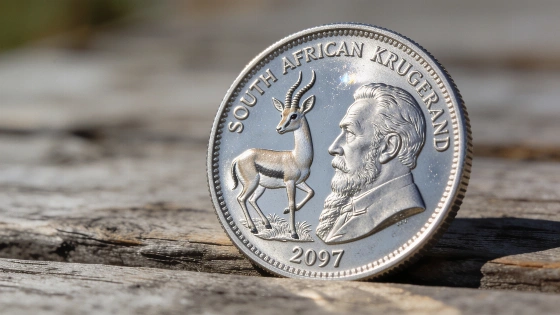
The 2017 Silver Krugerrand marked the South African Mint's entry into silver bullion coins and set a new standard for collectors with its blend of historic design and modern production
Collectors had waited decades for this. In 2017, the South African Mint finally put the Krugerrand name on a one-ounce silver coin. The move was bold. It wasn't just a nod to the past. It changed the game for modern bullion collecting. Demand spiked fast. Collectors and investors rushed to get their hands on the new coin. The launch came at a time when global precious metals markets were swinging wildly. Central banks like the Federal Reserve and European Central Bank were shifting policy rates. Inflation and currency swings kept everyone guessing.
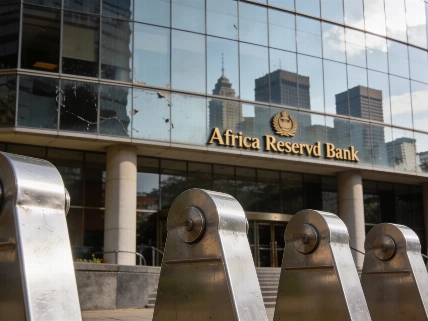
This wasn't just another coin. The silver Krugerrand marked 50 years since the original gold version. That gold coin had already made gold ownership possible for regular people. Now, the silver edition brought the Krugerrand story into a new chapter. The coin had a sharp design and an official face value. It filled a gap in the lineup. The South African Reserve Bank, which controls legal tender, kept a close eye on the rand's exchange rate. Bullion coin exports now play a role in South Africa's foreign exchange reserves, as shown in the international reserves template.
From gold pioneer to silver debut
The Krugerrand story started in 1967. South Africa led the world in gold production. The global monetary system was changing. The Mint created a gold coin with no fixed face value. Its price moved with the gold market. That was new. The design was simple and strong. Paul Kruger's face on one side. A springbok antelope on the other. The look became famous. Other countries followed. But for years, there was no silver Krugerrand. The original's floating value model set a pattern. Later, the American Gold Eagle and Canadian Maple Leaf used similar ideas. Both coins are often discussed in policy circles by the Federal Reserve and Bank for International Settlements.
Everything changed in 2017. The Mint released the first one-ounce Silver Krugerrand. They also launched a platinum version and new gold sizes. But the silver coin stole the show. It wasn't just about the anniversary. The Mint used computer-assisted engraving and laser-etched dies. The detail was sharp. There were two finishes: Proof and Premium Uncirculated. The Premium Uncirculated coins got special handling and extra strikes. They looked almost like Reverse Proofs. That set them apart from regular bullion. The Silver Krugerrand is made from 1 troy ounce (31.1 grams) of .999 fine silver. It has a face value of R1. This matches global bullion standards and helps the coin move in world markets.
Certification challenges and collector strategy
The first Silver Krugerrands ran into trouble in the U.S. market. Distributors wanted to sell big numbers in NGC-certified holders. But early grading results were mixed. The problem wasn't the coin's strike. The Mint was new to packaging silver for U.S. grading. Coins rubbed against each other during shipping. That caused small marks. Only 65% of First Day of Issue coins got the top SP70 grade at NGC. NGC certified 88,069 coins in total. PCGS certified just 2,730, and only 10% hit the 70 grade. Later shipments were handled better. Grading results improved. These trends matched bigger changes in the coin world. Investors now care more about third-party grading and clear mintage numbers. The IMF and Bank of England often analyze these shifts in their monetary reports.
Almost all certified 2017 Silver Krugerrands now sit in NGC holders. Exclusive marketing deals and special labels made that happen. Registry collectors and investors now chase NGC-certified coins for status and census tracking. The market has shifted.
Design details and specifications
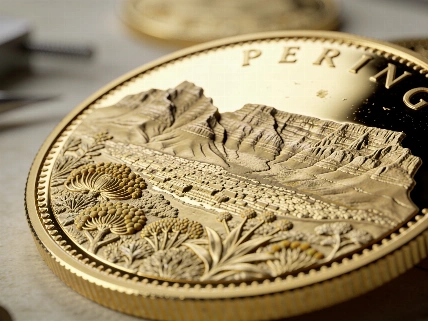
The 2017 Silver Krugerrand kept the classic look. The obverse uses Otto Schultz's 1892 engraving of Paul Kruger. It shows SUID AFRICA and SOUTH AFRICA. The reverse, by Coert Steynberg, has the springbok antelope mid-leap. KRUGERRAND sits above, with a small 50th-anniversary privy mark. For the first time, the coin has an official face value-R1. The inscription reads FYNSILWER 1 OZ FINE SILVER. The date is split around the springbok. Sharp denticles frame both sides.
Specs are clear. Weight: 31.1 grams. Diameter: 38.7 mm. Composition: .999 fine silver. The Premium Uncirculated version had a mintage of 1,000,000. Only 15,000 Proof coins were made. These numbers matter. The 2017 Silver Krugerrand has become a key piece for both new and seasoned collectors, as seen in recent auction coverage. The coin still shows up in secondary markets and with bullion dealers in 2026. Demand is steady. The South African rand keeps moving against the US dollar and euro, but the coin holds its ground.
Why the Silver Krugerrand still matters
The Silver Krugerrand did more than mark an anniversary. It changed how people see bullion coins. The coin blends South African tradition with modern minting and grading. The collectible coin market keeps shifting. The 2017 Silver Krugerrand is now a benchmark. It shows how mints can mix old and new without losing quality or trust. The coin's launch happened as the Federal Reserve tightened monetary policy. That pushed silver prices up and down. Investors had to rethink their strategies in both physical and paper silver markets.
Collectors and investors like the sharp design, the low Proof mintage, and the coin's grading story. The launch also pushed other mints to rethink their bullion products. Now, there's more focus on technical quality and what collectors want. The South African Mint's move into silver and platinum fits a global trend. Central banks and mints are adding new options to meet changing investor needs and rules.
The gold Krugerrand is still the foundation. But the 2017 silver coin made sure the brand stays current. The coin's success proves that even legends can adapt. They just need to respect their roots and listen to new collectors.
The Krugerrand's floating value model, first used in 1967, broke with old coin traditions. The price tracked the gold market, not a fixed number. That drew in investors who wanted precious metals without face-value limits. Other countries followed with their own bullion coins and legal setups. The Silver Krugerrand's R1 face value, added in 2017, shows how bullion coins now balance rules and collector tastes. It's about utility and appeal, all in one coin.