
Lord Ilay's portrait on the Scottish 5-pound note is more than decoration. It's a clue to a time when wigs meant power. Here's how ceremonial hairpieces landed on money and what they say about the past.
Archival records show Lord Ilay's face on Scottish banknote designs long before the modern Royal Bank of Scotland series. Hand-painted prototypes from about twenty years earlier confirm his deep roots in Scottish monetary history. That's not just trivia. It's a sign of how symbols of power get locked into money. The Scotsman has the details.
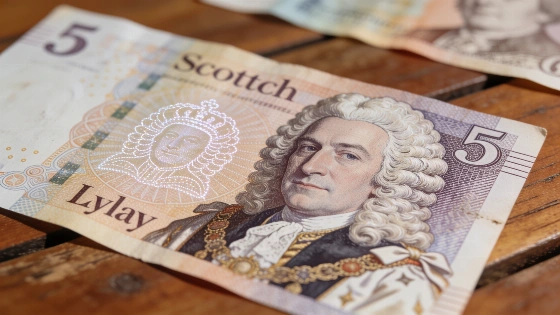
One collector, sweating through an Oklahoma summer, found himself staring at a pile of old notes. The Scottish 5-pound note, issued by the Royal Bank of Scotland from 1987 to 2014, jumped out. Lord Ilay, the bank's first governor, sits in full ceremonial dress. His wig is impossible to miss. The design comes from a 1744 painting by Allan Ramsay. The wig isn't just a flourish. It's the centerpiece. The Royal Bank of Scotland still issues Scottish banknotes, as the Bank of England annual report confirms.
The symbolism of the wig
In Georgian Britain, wigs weren't just for show. They were a must for anyone with influence. The powdered bob wig, short and tied at the neck, marked out the elite. On the 5-pound note, Lord Ilay's wig signals authority. It's a shortcut for legitimacy. Judges, nobles, and top officials across Europe wore them. This wasn't just a British thing. Central banks across Europe used portraits like these to show their own credibility. The Bank for International Settlements (BIS) notes that this tradition still shapes modern banknote design.
Making a wig back then took work. Hair came from peasant women, horses, or yaks. It was boiled, curled, and baked to hold its shape in Britain's damp air. The finished hair was sewn onto a silk cap, then fitted to a wooden block carved to the buyer's head. That's likely where "blockhead" comes from. Buyers shaved their heads for a snug fit. For the powerful, the wig was as important as a coat or a ring. It was daily armor.
Banknotes as historical documents
Every Royal Bank of Scotland 5-pound note in this series puts Lord Ilay's portrait on the front. A watermark of his face sits on the left. This design runs through both regular and commemorative issues. The message is clear. The bank's roots and its first governor are tied together. Lord Ilay, born Archibald Campbell (1734-1823), was the first earl of Ilay and third duke of Argyll. He became the face of the bank's authority. Museum records show his image was meant to signal continuity, not politics.
Banknotes freeze a moment in time. The Scottish 5-pound note does just that. Lord Ilay's robes and wig show what mattered then-rank, tradition, and the trappings of power. They also hint at daily life: heavy clothes, hot wigs, no escape from the weather. For collectors, these notes are more than cash. They're windows into a world of strict hierarchy. The Bank of England, which oversees Scottish banknote issuance, still tracks these notes. The Lord Ilay series is now a piece of history and a collector's item. There's been no recent policy change or withdrawal.
From fashion to obsolescence
Wigs like Lord Ilay's have vanished from daily life. But they still show up in courtrooms and at official ceremonies in the UK and some Commonwealth countries. The style started in France and swept Europe. Then the French Revolution made wigs risky. Wearing one could get you in trouble. The story of wigs on money matches bigger changes in banking and public trust. Central banks like the European Central Bank (ECB) and the Federal Reserve have updated their notes to fit modern tastes and security needs.
Collectors still hunt for banknotes with bewigged portraits. They sort them by theme and dig into their meaning. The Scottish 5-pound note is a favorite. It's a link to a time when looks and power went hand in hand. For numismatists, these notes are more than paper. They're artifacts from a world where power was worn, not just held.
Between 1987 and 2014, the Royal Bank of Scotland put out several versions of the 5-pound note with Lord Ilay. There were five commemorative designs. Each one shows his portrait on the right and a watermark on the left. The look stayed the same for decades. Lord Ilay's face on the note points to his key role in the bank's story. The ceremonial imagery stuck. The Bank of England's 2026 annual report says there have been no new statements or design changes for the Lord Ilay note. Its main value now is historical and for collectors.
The big wig's legacy
Modern banknotes rarely show such blunt symbols of status. But the "big wig" lives on in language and tradition. What was once a literal sign of power is now a nickname for bosses and officials. The Scottish 5-pound note proves that money is more than a tool for trade. It's a record of values, ranks, and fashion. Central banks like the Bank of England still shape what goes on our notes, balancing old symbols with new technology.
Knowing the stories behind these designs makes collecting richer. It shows how money tracks bigger social shifts-from changing styles to new ideas about who holds power. As collectors and historians keep digging, the Scottish 5-pound note stands out. It's proof of how money, identity, and authority mix.
Wigs on banknotes aren't just decoration. They're clues to how societies show power. Making and wearing wigs was costly and tied to rank. Today, the need for wigs is gone. But their meaning lingers in the portraits that still travel from hand to hand. They open a window to the past.