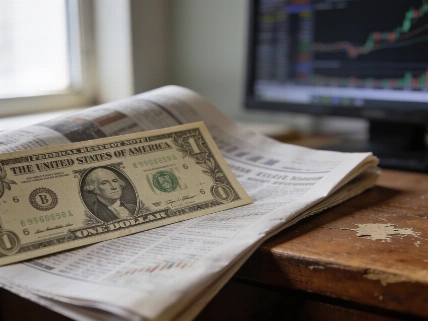

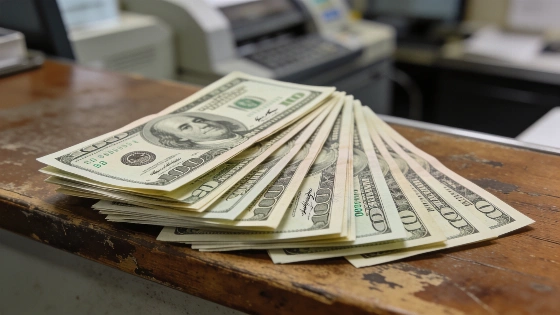
Fresh US banknotes with new signatures and subtle design changes are now in circulation. Collectors are zeroing in on small-size notes, hoping to spot the next big rarity.
New US banknotes are showing up in daily transactions. Most people barely notice. Collectors do. They are watching for small changes-new signatures, design tweaks, and serial number patterns-that could turn a plain bill into a future prize. These notes are quietly moving through wallets and cash drawers across the country. Few realize what might be hiding in plain sight. There has been talk about notes with presidential facsimile signatures. But so far, the Federal Reserve, Bureau of Engraving and Printing, and US Treasury have not confirmed any official release or print order for 2026. The Federal Reserve has stayed silent.
World banknotes often grab attention with bright colors and bold designs. The US market is different. Here, the details matter most. Seasoned collectors focus on the signatures, serial numbers, Federal Reserve districts, and issuing banks. These small features can turn a routine cash exchange into a discovery. When a key official changes or a production tweak happens, the series letter usually changes. There is rarely a dramatic redesign. Recent regulatory summaries confirm this pattern.
Small-size notes step into the spotlight
Big auctions and headlines often focus on large-size or national banknotes. But small-size notes-the ones people use every day-are getting new attention. Some of the best collecting chances are coming from these ordinary bills. New varieties and print runs are entering the market with little fanfare. The Federal Reserve's calendar, like the Columbus Day adjustment in October 2026, affects cash logistics. It does not mean new note designs or denominations are coming out.
One recent twist stands out. Some denominations now show the US president's facsimile signature. Collectors want to know how many of these "presidential" notes will appear, which bills will carry them, and if they will only be issued under the current administration. But as of now, there is no official word from the Federal Reserve or Bureau of Engraving and Printing about a mass release in 2026 or 2027. The $2 note is missing from the 2026 and 2027 Federal Reserve print orders. That has fueled more rumors. Some wonder if a $2 note with President Trump's signature will ever circulate. No answer yet.
Print runs and signature shifts
Collectors track every detail. New signatures and specific print runs create a field full of possibilities. Each change in signatory or batch can make a new variety. Sometimes, only a small number are printed before another update. Those who pay attention might end up with notes that become rare and valuable. The Federal Reserve usually announces print orders and series changes through official channels. No such update has come for the rumored 2026 issues.
Obsolete notes still draw steady interest. But the latest wave of new issues is stirring up excitement. Recent auctions show strong demand for both classic and modern US currency. Collectors want pieces that capture a unique moment in money history. The US dollar's global role, tracked by the International Monetary Fund and Bank for International Settlements, keeps it popular with collectors and investors alike.
Facts and figures
The Federal Reserve's print orders for 2026 and 2027 do not include the $2 bill. That raises questions about its future. Presidential facsimile signatures have appeared on new notes, but there is no commemorative semiquincentennial issue. Collectors are watching the details of standard denominations instead. The exact number of each variety entering circulation is not public. That makes the hunt more challenging-and more appealing. According to the latest Federal Reserve updates, only technical scheduling like cash order deadlines around federal holidays has been confirmed. There is no news about new note designs or series.
Why details matter in US banknote collecting
Other countries often roll out dramatic, well-publicized design changes. The US does not. Here, the real action is in the small stuff. Signatures, serial numbers, and issuing authorities create a complex world where even tiny changes can matter. Collectors need sharp eyes. New notes quietly replace old ones in circulation. The Federal Reserve, European Central Bank, and Bank of England all talk about transparency. But the US system's slow, steady changes make it tough for collectors to spot new rarities.
Knowing how US banknotes are issued helps explain why small differences count. Each Federal Reserve district handles part of the print run. When Treasury or Federal Reserve officials change, new signature combinations appear. If this lines up with a short production run or a transition period, the resulting notes can become rare almost overnight. That keeps the US paper money market lively. The hunt never stops.