
A surge in questions about ordinary coins from new collectors highlights the importance of education and engagement for the future of coin collecting, as curiosity shifts from rare pieces to the coins found in daily life
Coin collecting has long been associated with rare finds and high-value auctions, but recent trends suggest that the foundation of the hobby is shifting. Instead of focusing solely on the top end of the market, attention is increasingly turning to the everyday coins that pass through people's hands. This grassroots interest, often sparked by curiosity about the coins in one's pocket, is emerging as a vital force for the future of collecting.
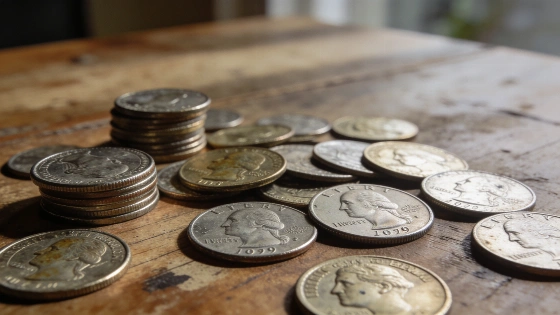
On social media platforms, particularly Facebook, a wave of questions from new and inexperienced collectors has become increasingly visible. Posts featuring images of coins such as the James Madison dollar, Washington dollars, and Sacagawea dollar are often accompanied by simple queries about their value. Others share handfuls of foreign coins or tokens, asking whether they might be worth more than face value. Some even seek basic guidance, posting photos of mixed coins and asking what features or markings they should be looking for. These interactions, while anecdotal, point to a widespread curiosity that extends beyond established collectors and into the general public.
Everyday Coins and the Value Question
For many beginners, the initial appeal of coin collecting is the possibility that an ordinary coin might be valuable. This focus on value is not unique to newcomers; even experienced collectors are interested in the worth of their collections, whether or not they intend to sell. However, the questions posed by new collectors often reveal a gap in knowledge about which coins are rare, which are still in circulation, and what features make a coin collectible. The popularity of commemorative issues, such as the Bessie Coleman quarters, has also contributed to this trend, with some non-collectors using these coins as educational tools for children and sparking further interest among families.
While these examples do not provide a comprehensive measure of the overall coin market, they do suggest that the hobby is being revitalized from the ground up. Without a steady influx of new participants, coin collecting risks becoming stagnant or even obsolete. The visible engagement of beginners is therefore a positive sign for the long-term health of the hobby.
The Need for Accessible Coin Education
The surge in questions about everyday coins highlights a broader need for accessible education. Many new collectors are unaware of the distinctions between circulating coins, commemorative issues, and tokens, or the historical context that gives certain coins their value. Educational resources that explain what is currently being issued, as well as the history of past coinage, are essential for sustaining interest and helping collectors make informed decisions.
Recent high-profile events, such as the upcoming gathering of all 11 government-owned 1933 Double Eagles at a major coin exhibition, have drawn attention to the rarest segments of the market. However, the everyday experiences of new collectors-those who wonder about the coins in their change or the tokens they find in drawers-are equally important for the future of the hobby. For more on how rare coins continue to shape collector interest, see this coverage of a major American coin event: the historic display of 1933 Double Eagles at a $100 million showcase.
Facts and Figures: Coin Circulation and Collecting Trends
According to the United States Mint, over 12 billion coins were produced for circulation in 2025, including both standard and commemorative issues. While the vast majority of these coins remain in everyday use, only a small fraction are considered rare or valuable by collectors. Surveys from major numismatic organizations indicate that beginner interest in coin collecting has risen by approximately 8% over the past two years, with social media platforms playing a significant role in connecting new enthusiasts and providing informal education.
Understanding the difference between face value and collector value is central to navigating the world of coins. Most coins in circulation are worth only their stated denomination, but certain errors, limited editions, or historical issues can command higher prices among collectors. The challenge for beginners is learning to identify these distinctions and avoid common misconceptions about rarity and value.
Coin collecting is shaped by a complex interplay of history, design, and market demand. While rare coins often attract headlines and high auction prices, the majority of collectors begin with the coins they encounter in daily life. The process of learning to distinguish between ordinary and exceptional coins is a key part of the hobby's appeal. Educational initiatives, both formal and informal, play a crucial role in ensuring that new collectors have the tools they need to participate meaningfully and avoid common pitfalls. As the hobby continues to evolve, the engagement of beginners will remain essential to its vitality and relevance.