A new Washington exhibition unveils rarely seen coins, banknotes, and original Treasury artwork that shaped the visual identity of US money, offering collectors and the public a unique look at the artistry behind American currency.
For the first time in decades, the public has the chance to view the original art and objects that defined the appearance of US coins and paper money. The Milken Center for Advancing the American Dream in Washington, D.C. is presenting an exhibition that gathers historic coins, banknotes, and the creative process behind them-many of which have rarely left government vaults. Titled "Shaping American Identity: The Art of the US Department of the Treasury," the event opens September 19, 2026, and runs through January 18, 2027. Admission is free, but tickets must be reserved in advance through the Milken Institute.
Landmark designs and their creators
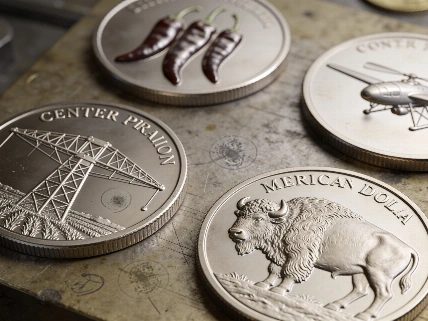
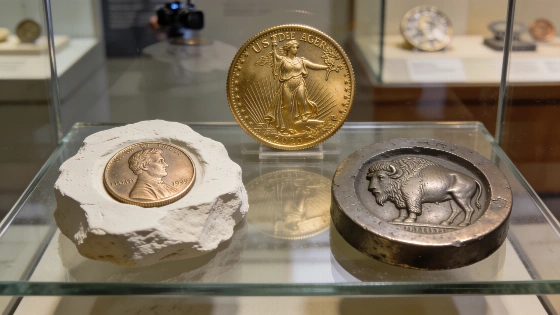
Among the highlights are a 1907 double eagle gold coin and a 1935 Buffalo nickel, displayed with the original plaster and metal casts crafted by their designers, Augustus Saint-Gaudens and James Earle Fraser. These coins are more than collector favorites; they reflect a deliberate initiative by the US Treasury, encouraged by President Theodore Roosevelt, to raise the artistic standards of American currency in the early twentieth century. The exhibition also includes rarely shown works by Norman Rockwell and N.C. Wyeth, demonstrating the Treasury's longstanding practice of commissioning leading American artists to shape the nation's monetary imagery.
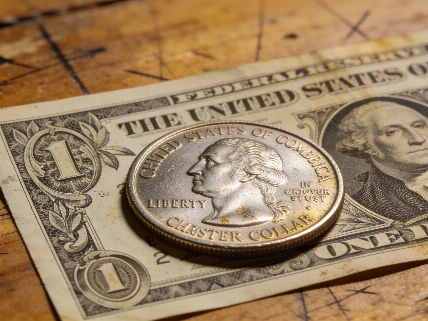
Also on view are Silver Certificates from the 1896 Educational Series, accompanied by commissioned artwork from Will H. Low, Edwin H. Blashfield, and Walter Shirlaw. These pieces show how the Treasury's approach to currency design extended beyond coins to paper money, with each note and coin serving as a canvas for national ideals and symbols. The Bureau of Engraving and Printing and the United States Mint, both central to the production of US currency, are official partners in the exhibition, underscoring their ongoing roles in protecting the integrity and design of the dollar.
From vault to gallery
The exhibition, running from September 19 through January 18, 2027, is a collaboration between the Milken Center for Advancing the American Dream and the US Department of the Treasury, with support from the Bureau of Engraving and Printing, the United States Mint, and Freedom250. Admission is free, but advance ticket reservations are required. The display offers a rare opportunity to see the physical artifacts and creative materials that have shaped the nation's monetary identity. The venue, located at 1503 Pennsylvania Ave NW, Washington, DC, is open from 10:00 to 17:30, and is closed on Tuesdays and Wednesdays.
David Trulio, president of the Milken Center, describes the collection as a visual narrative of American principles, with objects that "weave together iconic imagery and timeless ideals such as liberty, In God We Trust, and E Pluribus Unum." The exhibition's scope ranges from coins and banknotes to paintings, bond posters, and architectural designs, illustrating how the Treasury has used visual language to communicate with citizens and foster public trust. This approach aligns with the Federal Reserve's ongoing mandate to maintain confidence in the US dollar, which remains the world's primary reserve currency and a benchmark for global foreign exchange markets.
Historical context and collector interest
The period featured in the exhibition marks a pivotal era in US numismatic history. The early 1900s brought a movement to transform everyday currency into works of art, leaving a lasting mark on coins and notes still recognized today. The 1907 double eagle and the Buffalo nickel are widely regarded as milestones in American coinage, both for their technical innovation and symbolic meaning. The evolution of the US dollar's design has paralleled its rise as a global standard, with Federal Reserve policy decisions-such as the recent maintenance of the federal funds rate in the 5.25-5.50% range-directly affecting the dollar's strength against major currencies like the euro and yen, as tracked by the Federal Reserve.
Collectors and historians have long debated how design changes influence the value and perception of US coins. As reported earlier, even subtle differences in coin grading or design can shift collector demand and market confidence, highlighting the importance of original artwork and production materials now on display in Washington. The exhibition's focus on rarely seen objects "together for the first time" offers a unique perspective on how monetary design choices have shaped both domestic trust and international perceptions of the US dollar, especially as the US Treasury and Federal Reserve coordinate to address inflation and manage sovereign bond yields.
Key dates and practical details
The exhibition, Shaping American Identity: The Art of the U.S. Department of the Treasury, opens to the public on September 19 and will remain on view until January 18, 2027. Visitors must reserve tickets in advance, but there is no admission fee. The collaboration brings together expertise and collections from multiple federal agencies, providing a comprehensive look at the evolution of US currency design. Washingtonian has independently highlighted the event as a major cultural happening in the capital this fall.
For collectors, the inclusion of both coins and paper money-along with the original models and artwork-offers a rare chance to study the intersection of art, history, and monetary policy. The exhibition's timeline and content make it a significant event for anyone interested in the origins and symbolism of American money. The transformation of US currency design in the early twentieth century was not simply an aesthetic project. It reflected a broader effort to use money as a tool for national identity, public trust, and civic education. The involvement of renowned artists and the commissioning of original artwork for both coins and banknotes set a precedent for how governments can shape public perception through currency. Today, the influence of these designs continues to shape not only collectors' interests but also how Americans see their own history reflected in daily transactions, as the US dollar's role in global trade and central bank reserves remains central according to the International Monetary Fund and the Bank for International Settlements.