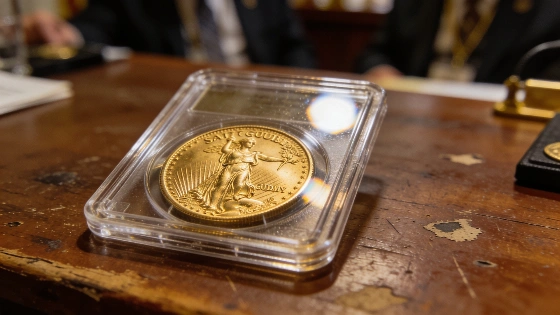
A 1924 Saint-Gaudens Double Eagle graded CACG MS67 sold for $47,300 in July, far outpacing similar coins and illustrating how certification and condition can drive dramatic price differences in the US rare coin market
In July 2026, the US rare coin market saw a striking example of how certification and condition can drive collector premiums, as a 1924 Saint-Gaudens Double Eagle graded CACG MS67 sold for $47,300 at GreatCollections. This result stood out not only for its headline figure but for the sharp contrast with similar coins lacking the same certification, underlining the growing influence of third-party grading and approval in the American numismatic landscape.
While the Saint-Gaudens Double Eagle is often considered a common date among US gold coins, the market for top-condition examples has become highly competitive. The Philadelphia Mint produced over 4.3 million of these coins in 1924, and PCGS estimates that around 1.9 million survive in all grades. However, only a tiny fraction-about 3% of PCGS-certified examples-reach MS66 or better, and even fewer achieve MS67. According to CAC population data, just two 1924 double eagles have been graded CACG MS67, with none higher, and only 28 have received a CAC sticker at this level.
Certification Premiums Across US Coins
The $47,300 result for the CACG MS67 Saint-Gaudens was especially notable when compared to other recent sales. On July 16, Heritage sold a PCGS MS67 example without CAC approval for $10,370, while Stack's Bowers sold another non-CAC PCGS MS67 for $14,030 in June. This means the CACG-certified coin brought a premium of roughly 356% and 237% over these comparable pieces. Such differentials are not limited to gold coins. In July, CAC-approved and CACG-graded coins consistently outperformed their non-CAC counterparts across a range of denominations and metals, including classic silver, Proof coinage, Morgan and Peace dollars, and even modern Silver Eagles.
For example, a CACG F15 1875-CC Twenty-Cent Piece sold for $810.70 at GreatCollections, about 37.5% more than a non-CAC PCGS F15 example sold earlier for $589.60. In another case, a PCGS MS67 1943 Lincoln Cent with a green CAC sticker realized $308, while a non-CAC NGC MS67 cent sold just three seconds later for $95.58-an increase of 222% for the CAC-approved coin. These results highlight how collectors are willing to pay significant premiums for coins that combine technical grade with recognized third-party approval.
Market Data and Historical Context
July's auction data provides a clear window into the current dynamics of the US coin market. Stack's Bowers sold a CACG Proof-67+ 1941 Mercury Dime for $1,037, more than double the $414.80 achieved by a non-CAC NGC Proof-67+ example. A CACG MS66 1924-D Standing Liberty Quarter brought $1,037, nearly 48% more than a non-CAC PCGS MS66 sold by Heritage for $701.50. The 1878-CC Morgan Dollar, a favorite among collectors for its Carson City mintmark, saw a CAC-approved PCGS MS63 example sell for $854, compared to $573.40, $588.50, and $561.20 for three non-CAC coins of the same grade.
Premiums were also evident in higher-value coins. Heritage sold a PCGS MS65 1918-S Walking Liberty Half Dollar with CAC approval for $30,500, while a non-CAC example brought $13,420 in May-a 127% difference. A CACG MS65 1921 Peace Dollar fetched $6,710, compared to non-CAC sales ranging from $2,720.30 to $4,620, depending on the auction house and timing. Even modern issues saw the effect: a CACG MS70 1989 American Silver Eagle sold for $1,125 at David Lawrence Rare Coins, while non-CAC NGC MS70 examples sold for $512.40 and $640.50 at Heritage.
Understanding the CAC and CACG Distinction
It is important to distinguish between CAC approval and CACG grading. CAC originally began as a verification service, applying a green sticker to coins already certified by PCGS or NGC that it considered solid or high-end for the assigned grade. More recently, CAC has launched its own full third-party grading service under the CACG name, encapsulating coins directly. While both forms of certification can influence market value, other factors such as eye appeal, strike, provenance, and auction timing also play a role in realized prices. No two coins are truly identical, and the percentages cited reflect specific transactions rather than a universal rule.
For collectors and market observers, these results reinforce the importance of certification in today's coin market. The willingness of buyers to pay substantial premiums for CAC-approved and CACG-graded coins is not limited to a single denomination or era. From Civil War-era Seated Liberty Quarters to modern Silver Eagles, the pattern is consistent: coins with recognized third-party approval command higher prices, sometimes dramatically so.
For those interested in the broader context of rare US currency and collector demand, the return of a 1918 $500 Federal Reserve Note from San Francisco to the auction spotlight, as covered in this recent feature on high-denomination US notes, offers another perspective on how rarity, condition, and certification intersect in the American collectibles market.
Certification, Condition, and Collector Demand
The July 2026 auction results demonstrate that the US coin market is increasingly shaped by the intersection of technical grade and third-party certification. While millions of 1924 Saint-Gaudens Double Eagles survive, only a handful reach the highest certified grades with CAC or CACG approval. This scarcity at the top end creates a separate market dynamic, where collectors compete for coins they believe are truly exceptional, and where premiums can reach several times the price of similar but uncertified pieces.
Certification is not the only factor influencing price, but its role has grown as collectors seek greater confidence in the quality and authenticity of their purchases. As the market continues to evolve, the distinction between a coin's numerical grade and its certified status is likely to remain a key driver of value, especially for those seeking the rarest and most desirable examples.
Third-party grading and approval services have transformed the way collectors and dealers assess US coins. CAC and CACG provide additional layers of scrutiny beyond the original grading, aiming to identify coins that are not just technically correct but also visually superior for their grade. This has led to a tiered market, where coins with both high grades and recognized approval can command premiums far above their nominal peers. For buyers, understanding the nuances of certification-and the limitations of what it can guarantee-remains essential in navigating the complex world of rare coin collecting.