The 2000 Sacagawea Dollar series stands out for its rare gold strikes, unique prototypes, and special issues, making it one of the most complex and valuable chapters in recent U.S. coin history
The launch of the Sacagawea Dollar in 2000 marked a turning point for U.S. coinage, introducing a new golden-colored dollar coin intended to replace the paper note in daily transactions. While the coin never achieved widespread use in commerce, its first year produced an array of rare issues and experimental strikes that have since become some of the most sought-after pieces in modern American numismatics.
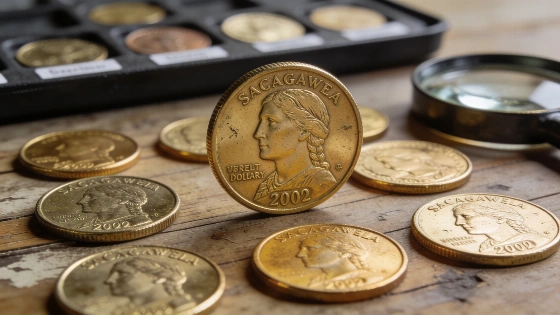
In a recent development, the U.S. Mint auctioned five examples of the elusive 2000-W Sacagawea Dollar struck in gold, coins that had previously been inaccessible to collectors. These five coins achieved sale prices between $350,000 and $500,000 each, underscoring the extraordinary demand for the rarest variants of the series. The Sacagawea Dollar's debut year is now recognized as one of the most complex in U.S. coin history, with a mix of mass-produced coins and ultra-rare special issues.
Key Issues and Rarities
The 2000 Sacagawea Dollar series is notable for its diversity of strikes and finishes. The standard circulation coins, produced at the Philadelphia (2000-P) and Denver (2000-D) Mints, were issued in large numbers, but high-grade examples remain challenging to find. The 2000-P Goodacre Presentation Finish, with a mintage of just 5,000, stands out for its distinctive burnished appearance, a result of the Mint's efforts to address discoloration problems. Another highlight is the 2000-P Cheerios Prototype, with 5,500 coins distributed in Cheerios cereal boxes as part of a promotional campaign, making them highly desirable among collectors.
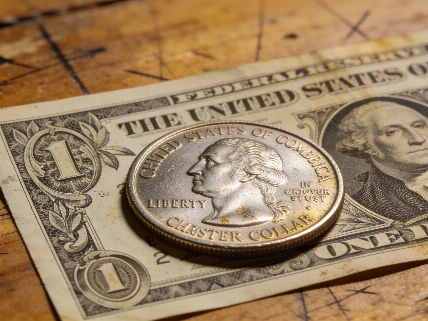
The rarest of all is the 2000-W Gold Sacagawea Dollar. Only 39 were struck, and after most were melted, just 12 are known to survive. These coins were sent into space aboard the Space Shuttle Columbia, adding to their mystique and value. The 2000-D Burnished Millennium Dollar, with a mintage of 75,000, was included in the United States Millennium Coin and Currency Set, while the 2000-S Proof version saw over 4 million pieces produced for collectors. Special issues also include VIP ceremony strikes and the infamous mule errors, where the obverse of a Washington Quarter was paired with the reverse of a Sacagawea Dollar-an intentional act by Mint employees that has become legendary in the hobby.
Collecting Challenges and Market Impact
Assembling a basic set of Sacagawea Dollars from 2000 to 2008 is relatively straightforward, but acquiring every significant variety, special strike, and rarity from the first year requires substantial resources. The market for these coins has grown steadily, with the most exceptional pieces commanding six-figure sums at auction. According to data from recent Mint sales, the 2000-W Gold Sacagawea Dollars are among the highest-priced modern U.S. coins ever sold, reflecting both their scarcity and the intense competition among advanced collectors.
The Mint's decision to issue a 25th anniversary gold Sacagawea Dollar in 2025, with a limited mintage of 7,500, sold out rapidly, further fueling interest in the series. The combination of experimental issues, low-mintage rarities, and high-profile marketing campaigns has made the Sacagawea Dollar a focal point for modern coin collecting. For context, the debate over intentional mint errors and patterns is not unique to this series; similar questions have surrounded other rare U.S. coins, such as the 1866 Liberty Head Quarter Eagle struck in nickel, which was recently discussed in detail in an analysis of the 1866 Nickel Quarter Eagle's origins.
Design, Composition, and Historical Context
The Sacagawea Dollar features a pure copper core clad in manganese brass, giving it a distinctive golden hue and a plain edge to differentiate it from other denominations. The obverse, designed by Glenna Goodacre, honors Sacagawea, the Shoshone guide who played a crucial role in the Lewis and Clark expedition. The reverse, by Thomas D. Rogers, completes the coin's unique identity. Despite its innovative design and the Mint's efforts to promote it as a practical alternative to paper currency, the coin struggled to gain traction in everyday transactions, ultimately finding its greatest success among collectors and numismatists.
For collectors, the Sacagawea Dollar's first year offers a microcosm of the challenges and rewards of modern U.S. coin collecting: a mix of accessible issues, elusive rarities, and ongoing debates about intentional errors and prototypes. The series continues to attract attention for its blend of history, artistry, and the unpredictable outcomes of U.S. Mint experimentation.
The Sacagawea Dollar's story highlights the complexities of introducing new coinage in the United States. While the coin was designed to replace the paper dollar, factors such as public resistance to change, the continued production of dollar notes, and the coin's similarity in size to the quarter limited its adoption. The Mint's approach-combining mass production with limited-edition rarities and promotional campaigns-created a unique collecting landscape. This dynamic illustrates how official policy, public behavior, and collector demand can interact in unexpected ways, shaping the fate of a currency far beyond its intended role in daily commerce.