
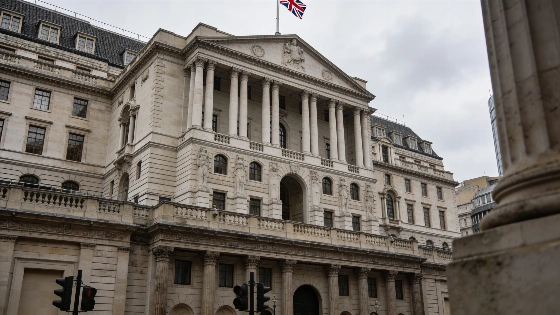
The pound's outlook against the euro is under renewed scrutiny as UK wage growth loses momentum, raising doubts about further Bank of England rate hikes and increasing the risk of sterling weakness in the coming months.
The pound sterling's position against the euro is coming under renewed pressure as the latest UK labour market data points to a slowdown in wage growth. According to the Office for National Statistics (ONS), private sector pay increases have softened, reducing the likelihood that the Bank of England will raise interest rates in the near term. This shift in expectations is prompting analysts to warn that the pound could face further headwinds against the euro in the months ahead.
Recent ONS figures show that UK employment rose by 84,000 on a three-month-on-three-month basis, while the unemployment rate held steady at 4.9%. Annual wage growth, including bonuses, reached 4.3%, but regular pay growth slowed to 3.4%. Meanwhile, job vacancies continued to decline, falling to 712,000, and the PAYE measure of employment dropped by 12,850. These indicators suggest that while the jobs market is not deteriorating as rapidly as in previous years, it remains subdued and lacks the momentum needed to drive inflation higher.
Wage Trends and Monetary Policy
The direction of wage growth is a critical factor for the Bank of England's monetary policy decisions. Slower wage increases typically reduce consumer demand, which in turn can ease inflationary pressures. Despite a recent uptick in headline inflation driven by energy prices, the underlying trend in wages points toward further disinflation. This makes it less likely that the Bank of England will need to raise its policy rate again in the near future.
Economists at several major institutions now expect the Bank of England to keep rates on hold for the remainder of the year, with some forecasting that rate cuts could resume as early as spring 2027. This view contrasts with current money market pricing, which still anticipates two additional rate hikes by the first quarter of 2027. The divergence between market expectations and economist forecasts is significant, as it influences short-term UK government bond yields and, by extension, the pound's performance against other currencies.
Yield Differentials and Sterling's Outlook
Short-term UK bond yields have remained relatively elevated compared to their eurozone counterparts, partly because the UK has experienced higher inflation than many other developed economies. This yield advantage has helped support the pound against the euro in recent months. However, if expectations for further Bank of England rate hikes fade and UK yields begin to fall more quickly than those in the euro area, the pound could lose this support and weaken further.
Currency strategists at Morgan Stanley note that while the pound's relatively high yield may continue to offer some support against low-yielding currencies in the short term, the medium-term risks are tilted toward underperformance if the Bank of England adopts a more dovish stance. This scenario could play out gradually, as the market digests ongoing labour market softness and adjusts its expectations for future policy moves.
Labour Market Data and Exchange Rate Risks
For the pound-to-euro exchange rate, the key risk is that a weaker UK labour market will eventually prompt the Bank of England to signal a shift away from further tightening. Should this occur, short-term UK bond yields would likely fall, reducing the pound's appeal to investors seeking higher returns. This would put additional downward pressure on sterling, especially if the European Central Bank moves ahead with its own rate hikes, as some analysts expect in the coming months.
According to the ONS, the UK's unemployment rate in the latest reporting period reached its highest level since October 2020, though the figure may be subject to future revisions. Private sector pay growth has remained below 3% for three consecutive months, reinforcing the view that the Bank of England has little immediate need to tighten policy further. These developments echo themes seen in other major currency pairs, such as the recent squeeze on the pound against the US dollar, where shifting rate expectations and technical barriers have played a decisive role. For a deeper look at how these dynamics have affected GBP/USD, see this analysis of sterling's recent test against the US dollar.
Understanding the Role of Wage Growth in Currency Movements
Wage growth is a central driver of inflation and, by extension, monetary policy decisions. When wages rise quickly, they can fuel higher consumer spending and push up prices, prompting central banks to consider raising interest rates to keep inflation in check. Conversely, when wage growth slows, it can signal weaker demand and reduce inflationary pressures, making rate hikes less likely. For currency markets, these shifts in policy expectations can have a direct impact on exchange rates, as investors adjust their positions in response to changing yield differentials and perceived risks. In the case of the pound and the euro, the interplay between UK wage trends, Bank of England policy, and European Central Bank actions will remain a key focus for currency watchers in the months ahead.