Despite persistent concerns about germs on cash, new research finds the risk of illness from handling coins and banknotes is far lower than most people believe, with infectious transmission through money now considered extremely rare
For decades, the idea that coins and banknotes are vectors for disease has shaped public attitudes and even influenced currency design. Yet the latest evidence from the Cleveland Clinic points to a far less alarming reality: the risk of getting sick from handling physical money is minimal, even in the context of highly infectious diseases.
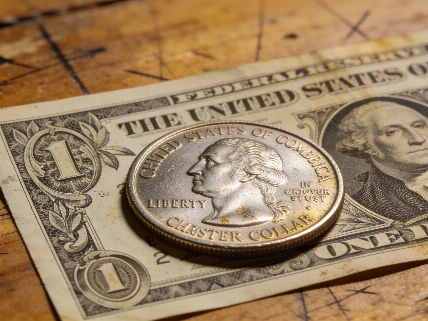
According to infectious disease specialist Kruti Yagnik, DO, at the Cleveland Clinic, the likelihood of contracting an illness from cash is so low that it barely registers as a practical concern. In a 2022 study cited by the clinic, researchers found that COVID-19 transmission via a dollar bill-after an infected person coughed directly onto it and another person touched the note and then their face-would statistically occur less than once in a century. For cashiers handling coins and notes, the estimated risk was one successful transmission every 21 months.
Historical Fears and Modern Evidence
The suspicion that money spreads disease is not new. During the 1665 Great Plague in London, people dropped coins in vinegar to disinfect them. In 1908, Philadelphia coin dealer Samuel Chapman condemned the incuse-design Indian $2.50 quarter eagle and $5 half eagle coins as "a great receptacle for dirt and conveyor of disease." Throughout the late 20th century, studies repeatedly warned of "potentially harmful" germs on cash, fueling a persistent public anxiety about contaminated money.
However, more recent research has challenged these assumptions. A 2016 study highlighted the "Oligodynamic Effect," a property of metals like silver and copper that causes bacteria to die quickly on their surfaces. In contrast, bacteria survive longer on polymer or cotton-linen banknotes. Despite this, the actual risk of infection remains extremely low, especially compared to other high-touch surfaces such as door handles, car keys, and mobile phones.
Cash Versus Cards and Everyday Objects
While coins and banknotes are often singled out as germ carriers, the Cleveland Clinic's findings suggest that wallets, handbags, and even credit cards-objects that circulate less widely than cash-can also harbor microbes. The clinic's analysis notes that the act of swiping a card or using a phone to pay does not eliminate the risk of transferring germs. In fact, these items often pass between hands just as frequently as cash, if not more so.
For context, the U.S. dollar remains one of the world's most widely circulated currencies, with over $2.3 trillion in Federal Reserve notes and coins in circulation as of 2025. Despite this vast volume, there is no documented evidence of widespread disease outbreaks linked to cash handling. This stands in contrast to the persistent warnings found in publications such as Scientific American and Medscape, which continue to emphasize theoretical risks without corresponding real-world outbreaks.
Changing Perceptions and Practical Implications
Public health messaging during the COVID-19 pandemic amplified concerns about contaminated surfaces, including cash. Yet as more data emerged, the focus shifted toward airborne transmission, and the role of physical money in spreading disease was downgraded. According to the Cleveland Clinic, the psychological impact of reading about contaminated money may be greater than the actual health risk posed by handling it.
Historical anxieties about dirty money have even influenced coin design and public policy. Chapman's early 20th-century warnings about incuse coins reflected a broader mysophobia that persists in some circles today. Yet the scientific consensus now points to a negligible risk, especially when compared to the everyday hazards posed by other objects people routinely touch.
In the world of currency collecting and design, concerns about hygiene have periodically resurfaced. For example, as reported earlier, even technical flaws in coin production can spark debate about cleanliness and safety, though these issues rarely translate into real health threats.
The evidence is clear: while coins and banknotes can harbor microbes, the actual risk of illness from handling cash is vanishingly small. The metals used in coins actively suppress bacterial survival, and the frequency of documented transmission events is so low as to be statistically negligible. The persistence of public fear owes more to historical precedent and psychological factors than to any demonstrated danger. For those who still worry, basic hand hygiene remains the most effective safeguard-far more so than avoiding cash altogether.
Understanding the Oligodynamic Effect is central to this discussion. This phenomenon describes how certain metals, including silver and copper, possess natural antimicrobial properties that disrupt bacterial cell membranes and inhibit their growth. As a result, coins made from these metals create an inhospitable environment for many pathogens, reducing the likelihood of viable transmission. In contrast, polymer and cotton-linen banknotes lack these properties, allowing bacteria to survive longer on their surfaces. However, even in these cases, the risk of infection remains low, especially when compared to the multitude of other surfaces people encounter daily.