
Painted quarters have surfaced as more than just oddities in US change drawers. From secret honesty tests in 1970s pizza parlors to collectors tracking decades of marked coins, these coins expose overlooked aspects of American cash culture
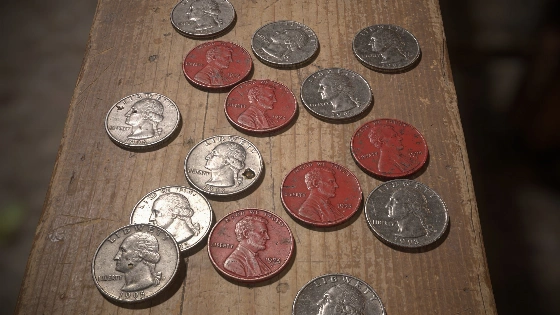
Red-painted quarters tossed across empty pizza parlor tables in 1976 were never meant for jukeboxes or lucky finds. Instead, they served as a covert test of honesty for overnight cleaning staff-coins deliberately scattered by managers to see which employees would return them and which would pocket the marked money. This practice, recounted by a reader who witnessed it firsthand, exposes a little-known layer of cash handling and workplace surveillance embedded in everyday US coin circulation.
While most Americans encounter painted coins as harmless curiosities, for some collectors these marked pieces are a window into the evolving habits and hidden rituals of cash use. One reader, L. A. Puckett, has spent 67 years amassing a collection that includes not only painted quarters but also a Morgan Dollar, Walking Liberty halves, a Franklin Half, a 1964 Kennedy half, a Barber quarter, five Washington quarters, six Mercury dimes, three Roosevelt dimes, a Jefferson nickel, and a wheat cent. Puckett's collection even features coins bearing distinctive dents from cigarette machines-a physical record of how coins were once battered by vending hardware now largely vanished from public life.
Marked Coins and Their Unintended Roles
Painted coins have long circulated in the US, but their purposes have ranged from the accidental to the strategic. Some are marked by individuals for luck or identification, while others are intentionally altered for operational reasons. The 1976 pizza parlor story is a rare documented example of coins being used as a management tool, not just a collectible oddity. In this case, the red paint was a signal: any quarter found by the cleaning crew was supposed to be left for the manager, not pocketed. The process doubled as a test of integrity and a method for tracking staff performance-an approach that would be difficult to replicate in today's increasingly cashless service environments.
Coin collectors have long debated the value and meaning of altered coins. While most numismatists focus on mint errors, rare dates, or pristine condition, painted and damaged coins offer a different kind of historical evidence. They document how coins were actually used, handled, and sometimes repurposed in daily life. As reported earlier, even modern coins can reveal unexpected stories through their physical flaws and modifications, providing researchers with clues about changing technology and social practices.
Physical Evidence and Collector Perspectives
For collectors like Puckett, the appeal of painted and damaged coins lies in their tangible connection to the past. Each dent or streak of color is a trace of a vanished era-whether it's the mechanical violence of a cigarette machine or the quiet test of a pizza parlor's night shift. These coins are not just monetary units but artifacts of American work culture, consumer habits, and the slow decline of cash as a dominant payment method.
According to the US Mint, the number of quarters in circulation has fluctuated with economic cycles and changes in payment technology. In 2025, over 2.8 billion quarters were produced for circulation, but the share of coins marked or altered by users remains untracked. While the Mint occasionally issues commemorative or colorized coins, unofficially painted quarters continue to appear in everyday transactions, often confusing cashiers and collectors alike. The lack of official data on marked coins means their prevalence and impact are largely reconstructed from anecdotal evidence and private collections.
Changing Cash Habits and the Future of Coin Collecting
The stories behind painted quarters highlight the unpredictable ways physical money intersects with trust, surveillance, and nostalgia. As digital payments expand and cash use declines, the opportunities for such informal honesty tests or accidental coin art are shrinking. Yet, for those who still handle coins daily, each marked piece remains a potential clue to a forgotten practice or a personal memory embedded in metal.
Collectors and researchers face a paradox: the more cashless society becomes, the more valuable these physical traces of everyday life may appear. Painted quarters, once dismissed as defaced or worthless, now serve as reminders that even the smallest denominations can carry stories far beyond their face value. The persistence of these coins in circulation is a testament to the unpredictable afterlives of money-and to the ingenuity of those who find meaning in the overlooked details of American currency.
Painted and damaged coins occupy a unique space in numismatics, distinct from official mint errors or commemorative issues. While the US Mint occasionally releases colorized coins for collectors, unofficially altered coins are not recognized as legal variations and typically hold no premium in formal markets. However, their value as historical artifacts or conversation pieces can be significant for individual collectors. The distinction between officially sanctioned and informally modified coins reflects broader questions about authenticity, intent, and the evolving role of cash in society.