

Microsoft keeps its lead in Forbes' 2026 global employer ranking. Ten UAE companies now stand among the world's top workplaces, showing how tech and new work trends are changing what matters most to employees.
Microsoft holds the number one spot in Forbes' 2026 global employer ranking. This is the third year in a row. The list, built with Statista's research, shows how the job market is shifting. Technology, company reputation, and employee growth now drive the race for talent. These changes come as currency markets swing. The US dollar index (DXY) keeps moving with every new signal from the Federal Reserve on rates and inflation, as tracked by the Federal Reserve.
The top five for 2026: Microsoft, Delta Air Lines, Shopify, Costco Wholesale, and Nvidia. Shopify jumped from fourteenth to third. Costco moved from twelfth to fourth. Adobe, Apple, Sony Group, Alphabet, and Lego Group fill out the top ten. Tech, retail, and creative companies now set the pace for workplace standards. These sectors have drawn strong investment. Central banks like the European Central Bank (ECB) and Bank of England (BoE) have kept money flowing or started to tighten slowly as inflation expectations change.
UAE companies join the global leaders
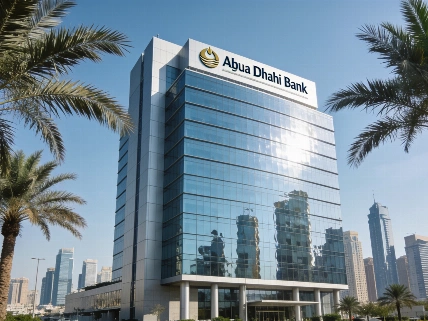
Ten companies from the United Arab Emirates made Forbes' 2026 list. That's a big step up for the country's global business profile. Emirates Airline leads the UAE group. Majid Al Futtaim Group, DP World, Abu Dhabi National Oil Company (ADNOC), and e& Emirates follow. The list also includes Abu Dhabi Commercial Bank, Aramex, Emirates Global Aluminium, Emaar Properties, and Mashreq Bank. These firms cover aviation, logistics, energy, finance, and real estate. The UAE's reach is growing. The dirham's peg to the US dollar has kept money stable. This helps investment and trade. The Central Bank of the UAE keeps a close watch on liquidity and foreign reserves, following global standards.
Forbes built its ranking by surveying over 300,000 employees in more than 50 countries. Only multinational companies with at least 1,000 staff were included. Workers rated how likely they were to recommend their employer to family and friends. They also scored pay, benefits, training, career growth, work-life balance, company reputation, and access to new tech. People could rate past employers and other companies they know. Forbes and Statista have refined this method over seven years. The result is a broad, global look at workplace quality.
AI changes what workers expect
Artificial intelligence is changing daily work at these top companies. A Boston Consulting Group survey of 12,000 employees found that 67% said AI now handles routine tasks. This lets them focus on harder projects. But 66% said they don't get clear advice from senior managers on how to use the time AI saves. That's a problem. Companies need to give more than just new tools. They must offer clear direction and support as jobs change. The Bank for International Settlements (BIS) reports that tech adoption, including AI, is now shaping labor productivity and wage trends in advanced economies.
The best employers, Forbes found, set clear goals and give staff the tools and freedom to succeed. Mark Khater, head of strategy and performance at the University of Cambridge, says top companies know shared goals, skill access, and trust matter. The fight for talent is no longer just about pay and perks. Culture, growth chances, and open career paths now count. Central banks like the Bank of Japan (BoJ) are watching wage growth and tight labor markets as part of their policy. Companies that help staff learn and stay engaged will stay ahead.
Data and context
Forbes' 2026 survey covered more than 300,000 employees in 50 countries. Only companies with over 1,000 staff were rated. The survey looked at salary, benefits, training, work-life balance, reputation, and tech readiness. Ten UAE companies now sit among the world's best. This shows the country's growing role in global business and its push into many sectors. Recent reporting shows UAE banks are also rising in regional rankings. The country's financial influence is growing fast.
How employer rankings work
Global employer lists like Forbes' are built on big employee surveys and independent research. They check pay, benefits, training, work environment, and reputation. These lists help job seekers and investors compare companies. They also show what workers now value most-flexibility, tech support, and room to grow. As AI and automation keep changing jobs, companies that update their management and invest in staff will keep winning talent.