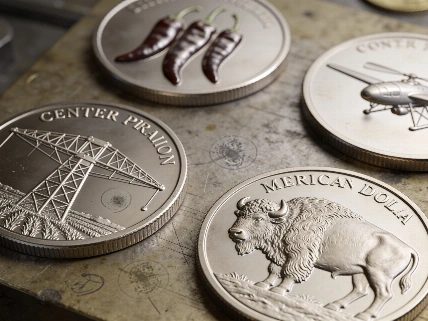

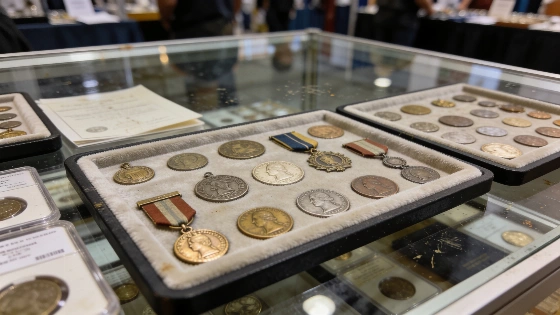
Serving as a numismatic exhibit judge at major coin conventions offers collectors a unique way to deepen their expertise, discover rare historical items, and connect with leading figures in the field while contributing to the broader numismatic community
For many coin collectors, the idea of volunteering as a numismatic exhibit judge may seem daunting amid busy schedules. Yet, the experience can offer significant rewards, both in personal knowledge and in the opportunity to engage with the numismatic world in a new way. Major coin conventions, such as those organized by the American Numismatic Association (ANA), regularly feature competitive exhibits where collectors display coins, tokens, medals, and related items. These exhibits often include rare pieces and specialized collections that are rarely accessible to the public, providing judges with a front-row seat to numismatic history and innovation.
Becoming a numismatic exhibit judge typically requires formal training and assessment. At the ANA World's Fair of Money, for example, prospective judges participate in a structured training session and must demonstrate their ability to evaluate exhibits in specific categories. Once qualified, judges are assigned to categories such as tokens, medals, or other specialized areas, and may be called upon to fill in for additional categories as needed. The judging process involves assessing whether the exhibit's content aligns with its title, the depth and accuracy of numismatic information presented, the quality of the display, and the historical or cultural significance of the items shown.
Judging Criteria and Community Impact
Exhibit judges are expected not only to score displays but also to provide constructive feedback. Each exhibit is evaluated by three judges to minimize individual bias, and exhibitors receive detailed reports highlighting strengths and areas for improvement. This feedback loop encourages higher standards and ongoing learning within the numismatic community. Many judges are experienced collectors, researchers, or authors, and some are also exhibitors themselves-though they are not permitted to judge categories in which they have entries. Coin dealers may participate as judges, but the time commitment, often three to five hours per convention, can be a barrier for those managing sales tables.
Serving as a judge offers a unique vantage point on the diversity of numismatic collecting. Judges frequently encounter subjects and items outside their previous experience, broadening their understanding of monetary history and the evolution of coinage. At the 2023 ANA World's Fair of Money in Oklahoma City, one exhibit achieved the highest score the judging panel had ever awarded, underscoring the exceptional quality and educational value that these events can deliver. For collectors interested in the historical and cultural dimensions of money, judging provides a direct connection to the stories behind the objects.
Learning from Peers and Rare Material
Numismatic judging is also a gateway to meeting leading figures in the field. Judges often interact with researchers, authors, and other collectors whose expertise spans a wide range of topics. This exchange of knowledge can lead to new collecting interests and a deeper appreciation for the complexities of numismatic study. The process also reinforces the importance of accuracy and transparency in presenting numismatic information, a theme explored in related discussions about how value and appreciation are measured in the coin market, such as in this analysis of numismatic price appreciation methods.
Historical trivia and research are often woven into the fabric of numismatic events. For example, the Carver-Washington Commemorative Half Dollars, struck between 1951 and 1954 at the Philadelphia, Denver, and San Francisco Mints, were the first U.S. coins to feature the inscription "U.S.A." on a map of the continental states. These coins honored Booker T. Washington and George Washington Carver, with proceeds intended to support anti-communist initiatives among African Americans during the early Cold War period. Such details highlight the intersection of numismatics with broader social and political history.
Facts and Figures: The Role of Judging in Numismatics
At major conventions like the ANA World's Fair of Money, hundreds of exhibits may be entered across multiple categories, with each exhibit typically evaluated by three judges. The judging process can require up to five hours per judge per event, depending on the number and complexity of entries. In 2023, the ANA World's Fair of Money in Oklahoma City featured over 100 competitive exhibits, reflecting the scale and diversity of collector participation. The Carver-Washington Commemorative Half Dollars, referenced in numismatic trivia, were minted in three locations from 1951 to 1954, illustrating the historical breadth of material encountered by judges.
Numismatic judging is governed by clear rules to ensure fairness and educational value. Judges must avoid conflicts of interest, and their written feedback is designed to help exhibitors refine future displays. The process not only elevates the quality of exhibits but also fosters a culture of shared learning and historical inquiry within the numismatic community.
Numismatic exhibit judging is a specialized process that blends historical research, curatorial skill, and peer review. Unlike casual collecting, judging requires a systematic approach to evaluating the accuracy, presentation, and significance of each exhibit. The presence of multiple judges per category helps ensure objectivity, while the feedback system encourages continuous improvement. This structure distinguishes numismatic judging from other forms of collecting and highlights its role in preserving and interpreting monetary history for future generations.