Medusa's transformation from myth to monetary symbol reveals how ancient societies used her image for protection, power, and political messaging on coins across the Mediterranean world
Across the ancient Mediterranean, few mythological figures have left as lasting a mark on currency as Medusa. Her image, instantly recognizable even today, was not just a product of legend but a practical tool for city-states and rulers seeking to convey power, protection, and divine favor through their coinage. While modern audiences may know Medusa from films such as Clash of the Titans (1981 and 2010) or The Gorgon (1964), her presence on coins reveals a deeper, more complex story about how societies used myth to shape monetary identity.
Medusa's journey from mortal woman to feared Gorgon is rooted in Greek mythology. According to later traditions, she began as a priestess in Athena's temple, renowned for her beauty-especially her hair. After being assaulted by Poseidon within the sacred space, Medusa was transformed by Athena: her hair became snakes, her gaze turned deadly, and she was granted a form of immortality. This narrative, especially as told by Ovid during the Roman era, shifted Medusa's image from pure monster to tragic victim, influencing how artists and engravers depicted her for centuries.
Medusa's Evolution on Ancient Coins
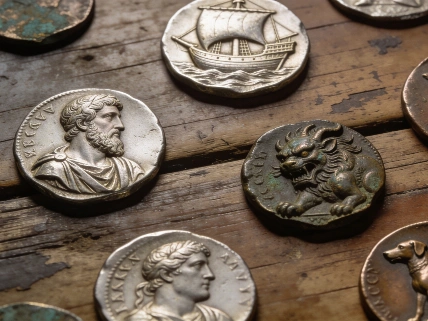
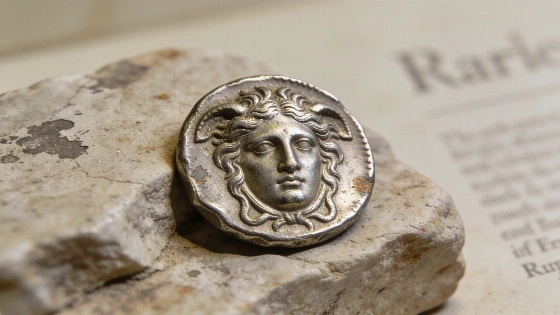
Early Greek art portrayed Medusa and her Gorgon sisters as terrifying, with bulging eyes and grotesque features. Over time, especially by the fifth century BCE, depictions softened. Writers like Pindar and artists such as Polygnotus began to emphasize her beauty, and this transition was mirrored in coinage. Greek cities across Asia Minor, Sicily, Thrace, and the Black Sea issued coins featuring Medusa's face, sometimes as a monstrous Gorgoneion-an apotropaic symbol meant to ward off evil-and sometimes as a more human, even serene, woman.
Two main types of Medusa imagery emerged on coins. The first showed her as a woman, sometimes with wings or scales, reflecting her mythological origins. The second, the Gorgoneion, presented a frontal, often grotesque face with a protruding tongue, designed to protect the bearer from harm. These motifs were not merely decorative; they served religious, political, and protective functions, signaling the issuing city's connection to divine power and its ability to safeguard its people and wealth.
Symbolism, Power, and Monetary Messaging
Medusa's head also appeared as a secondary motif-on shields, armor, or as a small emblem on the reverse of coins. The most famous example is the aegis, a protective garment or shield associated with Athena and Zeus, often adorned with Medusa's image. This symbol was believed to inspire terror in enemies and guarantee victory, making it a potent choice for coinage during periods of conflict or uncertainty.
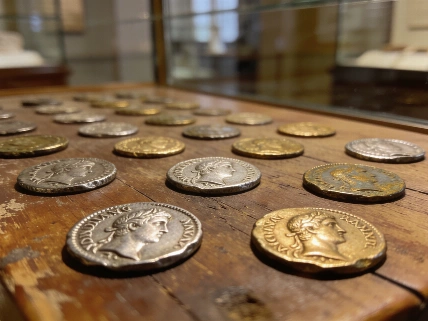
Roman use of Medusa on coins was less frequent but still significant, especially during the late Republic. Republican denarii sometimes featured her face, both in profile and facing forward, often with wings or serpents in her hair. During times of civil war, her image was used to invoke protection and legitimacy. Notably, aurei issued by Septimius Severus and Caracalla in the early third century CE displayed Medusa prominently, likely referencing earlier Greek traditions and famous dedications in Athens. However, in Imperial Rome, Medusa's presence was mostly limited to armor decorations rather than central coin designs.
According to auction records, the collector value of coins featuring Medusa has remained high. In 2020, a Medusa aureus sold for $350,000, reflecting both the rarity and enduring fascination with her image. This figure underscores how ancient monetary symbols continue to influence modern perceptions of value and collectibility.
Historical Context and Practical Consequences
The widespread use of Medusa's image on coins was not accidental. In a world where coinage served as both currency and propaganda, the choice of mythological symbols was a deliberate act. Medusa's dual role as both a monster and a victim allowed her to embody protection, power, and transformation-qualities that city-states and rulers wanted to project. Her image could signal divine favor, intimidate rivals, or reassure citizens of their city's strength.
For collectors and historians, coins featuring Medusa offer a tangible link to the ancient world's complex relationship with myth, money, and authority. The evolution of her depiction-from monstrous to humanized-mirrors broader shifts in Greek and Roman art, religion, and politics. As with other rare coins, provenance, condition, and historical context play a crucial role in determining value, as seen in the high-profile sales of Medusa-themed pieces.
While Medusa's story is unique, the use of mythological figures on coins is a recurring theme in currency history. For example, the role of rare coins in shaping collector markets and local economies is explored in coverage of how specialist dealers manage gold and rare coin transactions in the United States, highlighting the ongoing intersection of history, value, and monetary practice.
Understanding the Aegis and Apotropaic Symbols
The aegis, often depicted as a goatskin shield or cloak bearing Medusa's head, became a powerful symbol of divine protection in both Greek and Roman contexts. Its appearance on coins, armor, and statuary was intended to invoke fear in adversaries and confidence among allies. The use of apotropaic symbols-images believed to ward off evil-was widespread in ancient monetary systems, reflecting a belief in the protective power of currency itself. This tradition illustrates how money was not only a medium of exchange but also a bearer of cultural and spiritual meaning, reinforcing the authority of the issuer and the security of the state's wealth.