
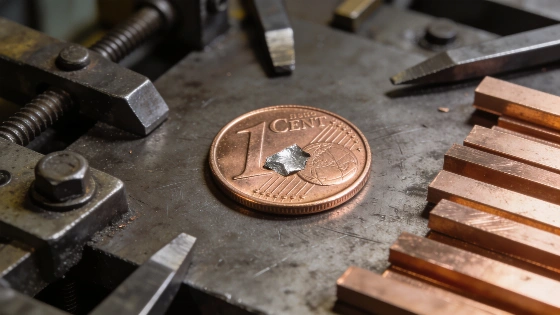
Foreign objects can get into coins at any stage, from molten metal to the final strike. Knowing how these errors happen matters for collectors and anyone watching the real value of physical money.
One stray piece of metal or slag can turn a regular coin into a collector's find-or a headache for graders. When something unexpected ends up inside a coin, it's not just a specialist's oddity. It shows how complicated modern minting really is, and what collectors and grading services have to deal with. The Federal Reserve keeps a close eye on coin quality and circulation standards, knowing that trust in coins is still a basic part of the money system.
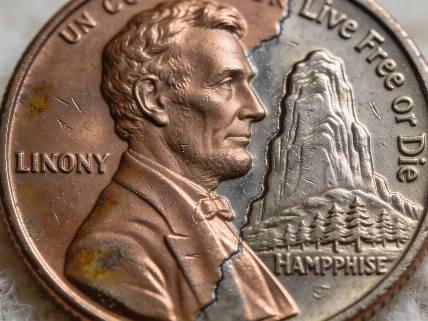
Most people expect coins to leave the mint in perfect shape. In reality, things are messier. Foreign matter-bits of metal, wood, plastic, or other debris-can get into coins in several ways, often by accident. In numismatics, these are usually called struck-through errors. That's when something gets trapped between the die and the blank during striking. Grease, fibers, wire, and other floor debris are common culprits. These can change how a coin looks and what it's worth. See more about struck-through error details.
Where errors begin
Contamination can start as early as smelting and alloying. If a crucible used for gold or silver isn't cleaned before making copper coins, traces of precious metal can get mixed in. Sometimes, hardware with a higher melting point falls in and doesn't melt, leaving streaks or lumps in the finished coin. For example, some copper-alloy cents show gray streaks of unmixed tin or zinc. This happens when the metals aren't blended well. These problems can show up more often when copper or nickel prices swing, as tracked by the Bank for International Settlements. Price changes can push mints to adjust how they source and mix alloys.
Slag, the waste that floats on top of molten metal, can also get stuck in coins if it's not skimmed off. In one case, a 1979 cent held about 40 percent of a big slag chunk. The piece ran through the coin's thickness and was magnetic because of its iron content. These inclusions can change a coin's weight and magnetism, making them easier to spot but harder to classify. The U.S. Mint and other mints watch for these problems, since even small mistakes can shake public trust in coins.
Rolling and blanking hazards
Once the alloy cools and gets rolled into strips, new risks show up. Foreign bits can get pressed into the metal during rolling. A 1971-D cent, for example, had a large copper-nickel fragment inside. Scanning electron microscopy found copper, nickel, carbon, zinc, and oxygen-likely from other coin strips or even unrelated sources. The coin weighed less than the standard 3.11 grams, hinting at foreign material. For error checks, graders look at weight, diameter, color, and edge details. A 1967 quarter struck on a cent blank, for instance, weighs about 3.1 grams, much less than a normal quarter. See planchet error metrics for more.
During blanking, stray metal can get pressed into the top of a blank, making it hard to tell apart from fragments added later. The upsetting mill, which shapes the coin's rim, can squeeze in small metal bits or foil, sometimes folding them over the edge or face. These errors are subtle but show up on close inspection. The European Central Bank (ECB) has warned in technical bulletins that even small contamination can mess with automated coin sorting across the euro area.
Final strike and edge lettering
The last chance for foreign matter to get in is during striking. One example: a 1999-D nickel with a big tungsten-carbide fragment. The coin weighed 5.25 grams instead of the usual 5 grams. The fragment, made of cobalt and iron, was magnetic and its source is still unknown. Most errors at this stage are called struck-through errors. Grading services use both visual checks and instruments to confirm them.
Coins with incuse edge lettering, like manganese-brass small dollars, face another risk. If something gets caught between the lettering die and the coin, it can get pressed into the edge after striking. This happened with a 2007-P Thomas Jefferson dollar, as described in a reported earlier analysis of grading and collector value. The ECB and national mints have set technical standards to cut down on these risks, since edge lettering errors can make both machine and manual checks harder.
Identifying and grading error coins
Figuring out if a foreign object was poured in, rolled in, punched in, squeezed in, or struck in isn't just academic. Grading services often just call it "struck-in," skipping the details. This lack of precision can change a coin's market value and how rare collectors think it is. The Federal Reserve and other central banks track coin integrity as part of keeping public trust in cash, especially when inflation or currency swaps are in play.
Collectors and graders use visual checks, weight, and advanced tools like scanning electron microscopes to figure out what's inside a coin and where it came from. Getting it wrong can mean the difference between a common oddity and a rare find. It's also key to tell mint errors-made during production-from post-mint damage, which happens after coins leave the mint and usually doesn't add value. See mint error vs. damage for more details.
Material evidence and collector impact
Take the 1971-D cent with a copper-nickel fragment: it weighed 2.98 grams, less than the standard 3.11 grams. Or the 1999-D nickel with a tungsten-carbide piece, which weighed 5.25 grams instead of 5. These differences are proof of foreign matter and help collectors and graders tell real mint errors from later damage or tampering. There's also lamination error, where the blank itself has internal flaws or layers that peel, bubble, or flake-this comes from the blank, not the striking.
For collectors, knowing the type and source of an error is key for judging value and authenticity. Foreign matter can make a coin more desirable, but only if its origin is clear and grading services recognize it. As error coins get more popular, the need for careful analysis and clear grading grows. Some rare modern error coins fetch big prices at auction. In September 2026, a "26-cent coin"-a Lincoln cent struck over a quarter-sold for nearly $17,000. This was a double-denomination error, not just a strike-through, showing how high the stakes are for collectors and graders.
Foreign matter errors show how unpredictable coin production can be, even with advanced technology. Each error coin tells a story of how raw metal becomes money-and how things can go wrong along the way. For collectors, graders, and anyone who uses coins, these mistakes are a reminder that even the most controlled systems can surprise us. Central banks, mints, collectors, and grading services all have to stay sharp to keep trust in physical currency strong.
Foreign matter errors happen when materials not meant for the coin get stuck during minting. These can be metal bits, slag, or nonmetal stuff like plastic or wood. The stage where contamination happens-smelting, rolling, blanking, upsetting, striking, or edge lettering-shapes how the error looks and how it's classified. Accurate ID means checking the coin's look, weight, and sometimes using lab tools. For collectors and graders, telling these errors apart is crucial for proving authenticity and setting value.