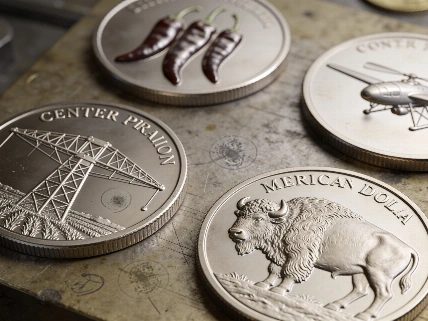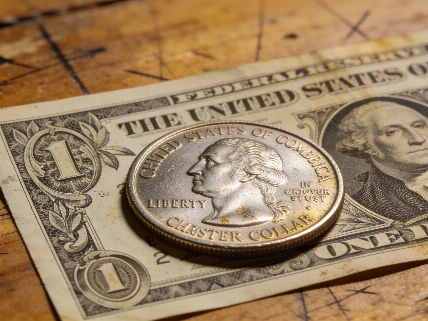
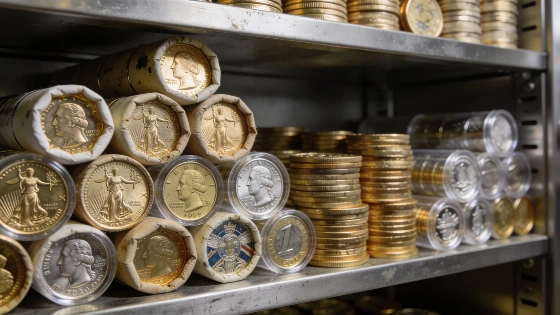
Bullion-priced gold and silver coins are not just investment assets-they have become a foundation for collectors worldwide, offering a way to build diverse collections while tracking metal values and market premiums
For many buyers, the appeal of gold, silver, platinum, or palladium bullion coins lies in their intrinsic metal value and the potential for price appreciation. Yet, the same coins that attract investors are increasingly sought after by collectors who see opportunities to assemble sets, explore historical issues, and diversify their holdings beyond simple stacking. The intersection of investment and collecting has created a dynamic market where bullion-priced coins serve both as stores of value and as objects of numismatic interest.
One of the most popular collecting pursuits involves assembling year sets of U.S. Silver Eagle Dollars, which have been issued annually since 1986. Collectors may purchase a single coin each year, acquire multiples for family members, or even buy full 20-coin rolls. Some prefer coins in their original, uncertified state, while others seek out pieces graded by third-party services. The diversity of collecting approaches reflects the flexibility of the bullion coin market, where both casual and dedicated collectors can participate according to their interests and budgets.
Collecting Beyond the U.S. Market
While U.S. bullion coins remain a mainstay, many collectors look internationally to expand their collections. Gold American Eagles are often accumulated in year sets, but another common strategy is to collect bullion-priced gold coins from as many issuing countries as possible. With new nations introducing bullion coins each year, the range of available options continues to grow, making it unlikely that any collection can ever be considered truly complete. This global approach not only diversifies a collection but also exposes collectors to a wide variety of designs, minting techniques, and historical contexts.
Classic coins originally struck for everyday commerce, such as pre-1934 U.S. gold coins in $5, $10, and $20 denominations, are still available at premiums often below 10% over their melt value, especially in circulated grades. Even some Mint State examples can be found at relatively modest premiums. Collectors interested in silver can find circulated U.S. Morgan and Peace Dollars from a range of dates and mintmarks at prices under 20% above their intrinsic value-a notable shift from previous decades, when such coins often commanded much higher premiums. Dealers frequently offer boxes of world silver coins priced near melt value, inviting collectors to search for overlooked or unusual pieces.
Market Data and Premium Trends
According to recent market data, the premium for common-date U.S. Silver Eagle Dollars over the spot price of silver has fluctuated between 15% and 25% in the past five years, depending on supply, demand, and distribution costs. Pre-1934 U.S. gold coins in circulated condition typically trade at premiums of 5% to 10% above their gold content, while certified Mint State examples can command higher margins. The global bullion coin market has expanded, with more than 50 countries now issuing at least one bullion-priced gold or silver coin annually. This proliferation has increased competition and provided collectors with a broader selection, but it has also made it more challenging to track every new release or maintain a comprehensive collection.
The appeal of bullion coins as collectibles is not limited to their metal content or investment potential. Many collectors are drawn to the artistry, historical significance, and variety of designs available. The discovery of significant hoards, such as the thousands of gold coins and bars found in Belgium and reported in a recent Currency Information feature, highlights the enduring fascination with precious-metal coins and their role in both personal and national histories.
Collecting Strategies and Practical Considerations
For those interested in building a bullion coin collection, several practical considerations come into play. Collectors must weigh the trade-offs between acquiring coins at the lowest possible premium and seeking out rarer or certified examples that may carry higher costs. Storage, insurance, and authentication are also important, especially as collections grow in size or value. The secondary market for bullion coins can be volatile, with premiums rising or falling in response to shifts in investor demand, changes in mint production, or broader economic conditions.
Ultimately, collecting bullion-priced coins offers a way to combine the pursuit of tangible assets with the enjoyment of numismatic discovery. Whether focusing on a single series, assembling a global set, or searching for classic coins at near-melt value, collectors can tailor their approach to match their interests, budgets, and risk tolerance.
The distinction between bullion coins and numismatic coins is central to understanding this market. Bullion coins are typically valued primarily for their metal content and trade close to the spot price of gold, silver, platinum, or palladium, with a modest premium reflecting minting and distribution costs. Numismatic coins, by contrast, derive much of their value from rarity, historical significance, condition, and collector demand, often trading at substantial premiums above their melt value. Some coins may straddle both categories, especially as market conditions or collector interest shift over time. For buyers, recognizing these differences is essential to making informed decisions about collecting, investing, or both.