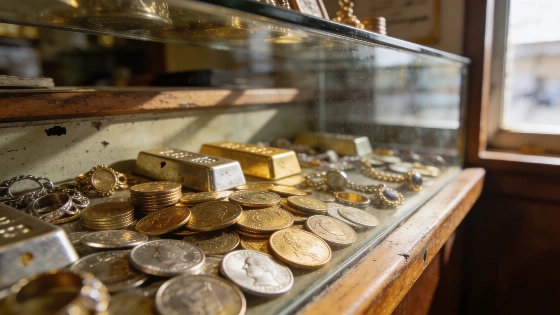
Decades of experience in gold and silver trading have shaped how local bullion dealers respond to changing demand for coins, jewelry, and precious metals. Their evolving role highlights the practical realities of physical currency markets.
Late September 2026 brought a sharp turn for gold and silver dealers. Spot silver hovered near $63.81 an ounce. Gold slipped for the week. The US dollar grew stronger. The Federal Reserve signaled it might raise rates again. Dealers on the ground felt the impact right away. Reuters tracked the market swings. Customers walked in with questions. Some wanted to sell. Others hoped to buy before prices moved again. Trust mattered more than ever. For over forty years, these shops have built their names on fair deals and clear answers. That reputation is not just talk. It comes from years of face-to-face trades and honest appraisals.
Digital platforms can't match the hands-on work of local dealers. Every coin, bar, or ring gets checked, weighed, and tested in person. Buyers and sellers often want a price on the spot. Dealers have learned to move fast. They adjust to swings in global prices and shifts in what people want. When the dollar rises, gold and silver prices often drop. That hits local shops. They have to explain why prices change. They also have to keep up with the Federal Reserve's moves. It's a daily challenge.
Physical markets and customer expectations
Some dealers focus on bullion and rare coins. Others handle estate jewelry or scrap gold. Many do both. Collectors come in looking for rare finds. Families bring in old jewelry to sell. Dealers need to know how to value it all. Quick appraisals set them apart. People want to know what their coins or jewelry are worth. In the second quarter of 2026, global gold demand-including over-the-counter trades-hit 1,269 tonnes. The first half of the year reached 2,522 tonnes, worth about $380 billion. That's from World Gold Council data, as industry analysts summed up.
Physical gold and silver have drawn more interest lately. Economic worries push people to look for something solid. Customers now pay close attention to the gap between spot prices and the premiums on coins and bars. They ask more questions. Dealers have to be open about how prices work. Central banks have helped keep demand strong. In Q2 2026, net central bank gold buying hit 289 tonnes. That's up 62% from the year before. It's part of a bigger move by central banks to spread out their reserves as the global economy shifts. The World Gold Council analysis covers this trend.
Adapting to shifting supply and demand
Gold and silver still drive most business. But many dealers now buy and sell platinum, gold nuggets, and even sterling flatware. Estate jewelry and scrap gold deals are more common. Families want to turn old items into cash. Dealers who can appraise and buy a wide range of items stay ahead. In Q2 2026, global demand for bullion bars and coins reached 307.1 tonnes. China and India made up about 51% of that. Jewelry demand dropped to 278 tonnes. That was the weakest quarter since the pandemic. High prices made it harder for regular buyers to afford new pieces.
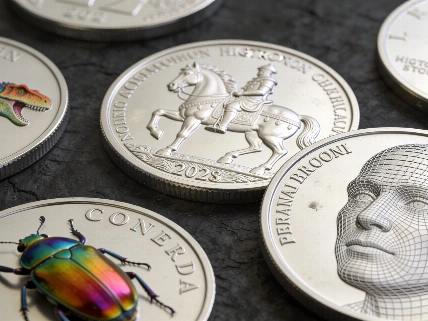
Premiums on gold coins jump around. They rise when demand spikes or when supply gets tight. Sometimes, popular coins sell for much more than the spot price. Dealers have to explain why. Rising silver prices have also forced mints to rethink how they make collector coins. This was covered in a reported earlier piece. The Bank for International Settlements and the International Monetary Fund both point to physical gold as a key reserve, especially when currencies lose value or inflation heats up.
Trust and transparency in precious metals
People buy or sell gold and silver for one main reason. They want something real. Dealers with a record for fair prices and honest appraisals get more business. They have to break down how premiums work, what affects prices, and how they check for fakes. In India, demand slowed in September 2026. Buyers waited for prices to drop. In China, premiums stayed steady. Investment demand held up, according to Reuters.
The market keeps changing. Local dealers still matter. Their skill at judging coins, bars, and jewelry gives customers peace of mind. Online platforms can't match that. People still want in-person appraisals and clear deals. That won't change soon. Central banks like the Federal Reserve and the European Central Bank keep an eye on gold's place in the world's money system. Inflation and bond yields move up and down as policies shift. Dealers have to keep up.
Coin and bullion shops fill a gap in the currency world. Digital money is fast, but it's not the same. Physical gold and silver need expert eyes. Appraisals depend on the dealer's know-how, the item's shape, and what the market is doing that day. There's no set formula. That's why many people still walk into a shop when it's time to buy or sell. The link between global prices, local demand, and the real work of trading keeps these dealers in business. They're not going anywhere.