
From ultraviolet dinosaur fossils to a wireframe waterfall, 2026's latest collector coins use advanced minting and bold design to transform how countries present history and myth on silver
In 2026, collector coins are moving beyond tradition. The latest releases from the Royal Canadian Mint, Power Coin for the Cook Islands, New Zealand, and Niue show how far mints are willing to go-both in design and in how few coins they produce. These launches arrive as central banks like the Bank of Canada and the Federal Reserve keep a close eye on inflation and currency stability, which can affect collector demand through changes in metal prices and exchange rates.
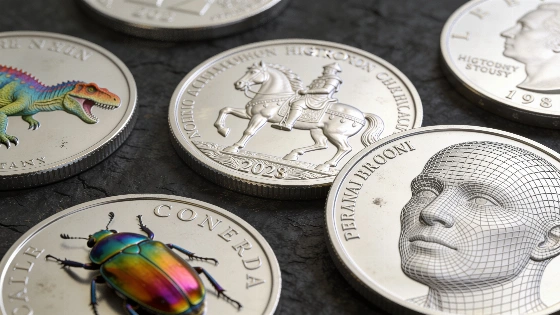
The Royal Canadian Mint's new 1-ounce silver coin pairs the Tyrannosaurus rex and Quetzalcoatlus northropi in a design that shifts under black light. In daylight, selective color brings the prehistoric animals to life; under ultraviolet, their fossil forms appear. Only 8,500 coins exist. The face value is 20 Canadian dollars, and a hidden UV effect reveals another image layer, confirmed by numismatic sources like Sprott Money and Catawiki. This kind of feature is part of a wider move by mints to use technology for both security and appeal.
Technological innovation meets ancient legend
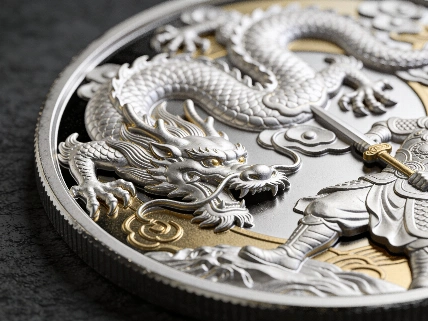
The Cook Islands' $25 coin, issued by Power Coin, brings the Trojan Horse to life in high relief. Using Smartminting and Smart 4.0 Relief, the coin's surface rises well above the field, showing the wooden horse against a moonlit city. It's more sculpture than flat engraving. The theme-deception and downfall-lands in a year when trust and authenticity are under debate in the currency world. The coin is struck in 5 ounces of silver, with its technical details confirmed by market listings and the distributor.
New Zealand's coin is quieter but just as ambitious. Its 2-ounce silver proof features the mānuka beetle, a native insect, in green, red, and yellow on a mirrored background. Designed by Fuller Design, it highlights local biodiversity and uses advanced color techniques. The mirrored proof finish is difficult to achieve, requiring flawless surfaces and precise color placement. These technical choices matter as the Reserve Bank of New Zealand and others consider how precious metal demand affects currency strength and inflation.
Scarcity and artistic experimentation
Niue's "Lady Waterfall" coin, the first in its "Wireframe Art" series, blurs the line between coin and sculpture. The 2-ounce $2 coin shows a three-dimensional wireframe head emerging from a colored, textured surface. Only 250 pieces will be released, with a confirmed date of October 30, 2026. This is not a mass-market product but a statement about where numismatics is headed-toward the intersection of art, technology, and scarcity. The coin's .999 silver content and antique finish are verified by GR Reserve and show how art and monetary value are merging.
For collectors, these coins are more than just attractive objects. The Royal Canadian Mint's dinosaur coin is part of a trend toward interactive features-ultraviolet elements, color-shifting inks, and tactile reliefs-that require new ways to authenticate. As reported by the IMF and other regulators, digital grading and AI authentication are changing how collectors verify and value coins, especially as physical cash becomes less central and central banks look at digital currency frameworks.
Numbers behind the hype
The Royal Canadian Mint's dinosaur coin is limited to 8,500 pieces. Niue's "Lady Waterfall" is capped at 250. The Cook Islands' Trojan Horse coin has a $25 face value and uses Smartminting for high relief and detail. New Zealand's mānuka beetle coin weighs 2 ounces and is produced as a silver proof, valued for its mirror finish and sharp detail. These numbers define the coins' rarity and their potential value on the secondary market. Central banks, including the Bank of Canada, continue to watch how metal price swings affect reserves and collector demand, with gold and silver prices often reacting to policy changes and inflation data.
Innovation in minting comes with trade-offs. Features like ultraviolet-reactive inks and high-relief surfaces raise production costs and complexity, which often means higher prices and smaller mintages. For collectors, this creates a more competitive market, where missing a release can mean paying more later. At the same time, the line between coin and art object is getting thinner, raising questions about what counts as legal tender versus collectible artifact. Central banks such as the European Central Bank and the Bank of England have noted that the rise of collectibles can influence how households view their wealth and, indirectly, how they spend.
Commemorative coins have always reflected the priorities and abilities of their issuers. In 2026, the focus is on technology and storytelling. The Royal Canadian Mint's ultraviolet features, the Cook Islands' high-relief myth, New Zealand's focus on native species, and Niue's wireframe sculpture all point to a shift: coins are now platforms for national stories and technical experiments. Collectors who pay attention to these changes will see that the future of numismatics depends on how far mints are willing to push the limits of what a coin can be.
Circulating coins must meet strict standards for durability and anti-counterfeiting, but collector issues play by different rules. These coins are not meant for daily use and are produced in small numbers, letting mints try materials and finishes that would not work for general circulation. The collector market has become a testing ground for innovations that may eventually shape mainstream coinage or even digital currency design. While these coins carry official face values, their real worth comes from rarity, craftsmanship, and the changing tastes of collectors worldwide.