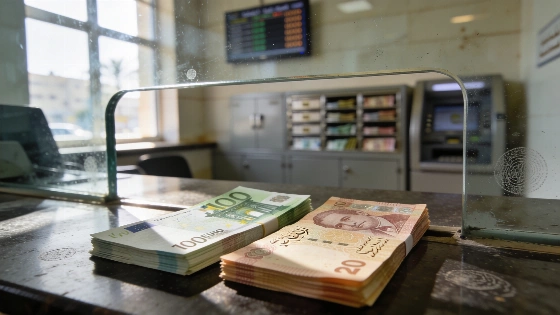
On 28 September 2026, the euro climbed against the Egyptian pound, with top banks setting new highs for both buying and selling. Egypt's foreign reserves also broke records, while the central bank left interest rates unchanged.
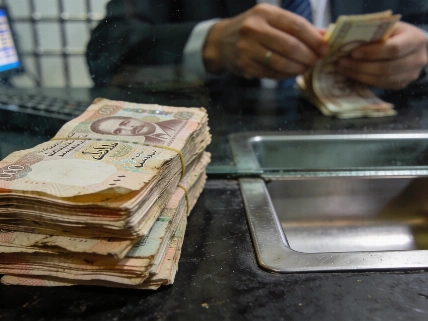
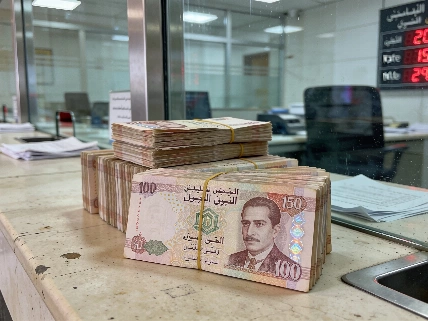
Major Egyptian banks pushed euro rates higher on 28 September 2026. The European currency gained ground against the pound as trading closed. Both buying and selling rates hit new highs. Reuters data, shared by Ahram Online, showed the euro at 58.83 EGP for buying and 58.99 EGP for selling. These numbers edged above last Thursday's 58.81 and 58.98. The euro kept rising. Ahram Online confirmed the trend. The Central Bank of Egypt published the same rates that day. Official and market numbers matched up.
Bank rates reach new highs
By Monday's close, top banks posted their highest euro selling rates yet. HSBC listed 59.26 EGP. Abu Dhabi Commercial Bank showed 59.25 EGP. Kuwait Finance House offered 59.18 EGP, according to a sector review by Al Borsa News. The National Bank of Egypt and Banque Misr, Egypt's biggest state banks, quoted about 58.90 EGP for buying and 59.11 EGP for selling. Commercial International Bank (CIB) posted 58.78 for buying and 59.09 for selling. The numbers moved up, but not sharply. The euro's climb was steady across the sector.
Just five days earlier, on 23 September, the euro traded between 58.64 and 58.73 EGP for buying, and 58.97 to 59.00 EGP for selling at several banks. The euro kept inching up all week. Al Ahram Gate and other outlets tracked the rise. The pound's weakness showed how quickly local and global policy signals can move the market. The European Central Bank and the Federal Reserve both played a part.
Government and central bank benchmarks
The Central Bank of Egypt set its official reference rates at 58.83 EGP for buying and 58.99 EGP for selling on 28 September. These matched the market. The regulator's rates anchored expectations. Commercial banks followed the central bank's lead. Egypt's monetary policy transmission worked as intended. The central bank kept a close watch on exchange rates, using guidance from the International Monetary Fund and the Bank for International Settlements.
Interest rates and reserve growth
On 25 September 2026, the Central Bank of Egypt left its key rates unchanged. The deposit rate stayed at 19 percent. The lending rate held at 20 percent. The euro's rise came as the bank stuck to a neutral stance. The goal: balance inflation and currency stability. The next two policy meetings are set for 29 October and 17 December. Traders are watching for any sign of a shift. The central bank's approach lines up with the Federal Reserve and European Central Bank, both stressing data-driven decisions in uncertain times.
Egypt's foreign reserves jumped by $920 million in August. The total reached a record $57.21 billion, up from $56.29 billion at July's end. The reserves cover major currencies: US dollar, euro, pound sterling, Japanese yen, and Chinese yuan. Gold and IMF Special Drawing Rights are also included. This strong reserve position gives Egypt a buffer. It helps the central bank manage currency swings.
Market context and broader implications
The euro's gain against the pound shows renewed demand for the European currency. Banks kept adjusting their posted rates. The gap between the highest and lowest rates across banks matters. People and businesses need to compare offers. Recent analysis points to a mix of local policy, global capital flows, and decisions by the ECB and Federal Reserve shaping euro moves.
The Central Bank of Egypt is holding rates steady. Foreign reserves are at a record. The authorities are focused on stability as currency pressures linger. Any future rate changes will depend on inflation, tracked by the consumer price index, and outside funding conditions like bond yields and global risk appetite.
Egypt is choosing gradual adjustment over sudden moves. That's clear. The wide range of euro rates across banks means customers should shop around. Market conditions are still shifting. The central bank's stance, backed by strong reserves and close work with global financial bodies, will keep shaping Egypt's currency scene in the months ahead.