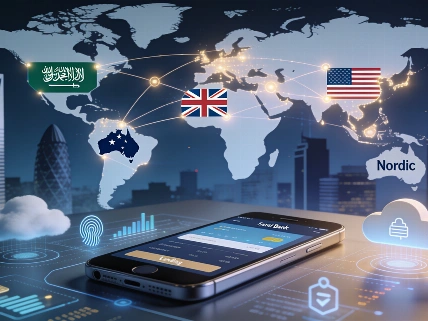

An AI agent has made a full payment in Denmark using Mastercard's Agent Pay and Danske Bank. The move puts new focus on security, transparency, and how much control consumers will have as digital payments change.
For the first time in Denmark, an AI agent has carried out a full payment for a consumer. Danske Bank and Mastercard made it happen. This was not just a tech demo. It shows how payments could soon work, with AI handling the process from start to finish. Central banks, including the European Central Bank (ECB), are watching these changes closely as digital innovation keeps reshaping payment systems and financial stability.
Instead of typing in payment details, a consumer told an AI agent to book a coffee tasting session on Mastercard's Priceless.com. The AI agent did the booking and paid for it on its own, using a Mastercard from Danske Bank. The whole process ran on Mastercard's Agent Pay system, with PayOS managing the transaction. Agent Pay, which launched in April 2025, uses tokenized credentials and clear user consent controls. Each payment is set up to be secure and transparent for everyone involved, according to a FIDO Alliance podcast.
AI agents step into payments
Mastercard built Agent Pay so AI agents can start and finish payments safely. The Danish pilot follows earlier tests in Europe, like the first live AI agent payment with Santander in March and another in France with Worldline and Crédit Agricole. Each pilot checked if AI agents could act on their own while keeping consumers in charge and payments secure. Microsoft, IBM, and Braintree joined as launch partners, showing that the industry is taking agentic payments seriously, not just running isolated tests. More details are in this industry overview.
Security and transparency are still the main concerns. Mastercard's system uses Payment Passkeys to check every purchase. This means card issuers can see what's happening and consumers stay in control. Mastercard's president for Northern Europe says the company is focused on making AI-powered payments both open and safe, with consumer consent required every time. This matches what the Bank for International Settlements (BIS) recommends: payment flows must show clear intent and let issuers see what's going on.
Industry impact and infrastructure
Danske Bank joined the pilot soon after it expanded its work with Amazon Web Services (AWS) to boost its AI banking products. By using Amazon Bedrock and Bedrock AgentCore, Danske Bank wants to tap into more AI models and move from testing to real-world use of agentic services. This investment is meant to help build stronger, more scalable AI payment tools. The ECB's monthly statistical bulletin notes that digital payments are speeding up across the euro area, which affects cross-border settlements and how resilient payment systems are.
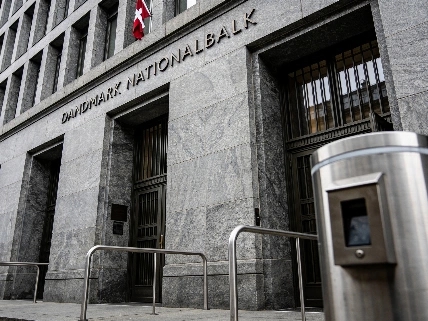
The Danish krone (DKK) is still steady against the euro (EUR) and other big currencies. The arrival of agentic AI payments does not change exchange rates or monetary policy. The focus is on making payments work better, keeping them safe, and improving the consumer experience. The pilot shows that AI agents can now handle payments from start to finish. But it also points out the need for strong safeguards as these systems spread. Danmarks Nationalbank, the Danish central bank, is keeping an eye on new payment tech to make sure it does not bring new risks or disrupt how monetary policy works.
Authentication and consumer control
Every payment started by an AI agent through Agent Pay is checked with Mastercard Payment Passkeys. This security step is meant to stop unauthorized payments. Card issuers get a clear view of these transactions, so they can track and manage AI-initiated payments just like regular ones. This two-layer setup is supposed to reassure both consumers and banks that AI payments will not get around existing security rules. The Federal Reserve has also stressed the need for strong authentication and consumer control in its digital payments and fintech policy statements.
As AI agents get smarter, the line between what a consumer wants and what the AI does on its own gets blurrier. The Danish pilot shows that the industry wants to keep consumers in charge, even as payments become more automated. The ability to trace, check, and block AI-initiated payments will likely stay essential as agentic payment systems grow. Mastercard's model uses agentic tokens and credentials that banks can revoke at any time, giving another layer of consumer protection. More on this can be found in the agentic payment rails analysis.
Facts and data
The Danish pilot follows Mastercard's earlier European AI agent payment tests, including the first live transaction with Santander in March and another in France with Worldline and Crédit Agricole. Agent Pay launched in April 2025. The Danish payment used a Mastercard from Danske Bank, with PayOS running the transaction. There was no change in exchange rates or monetary policy linked to the pilot. The Danish krone is still trading in its usual range against the euro, as recent data from the ECB and Danmarks Nationalbank confirm.
Agentic AI payments mean transactions started and finished by autonomous software agents for a consumer, not by the consumer directly. These agents can use payment platforms, check transactions, and handle bookings or purchases without a person stepping in. The main challenge for banks and payment networks is to make sure this automation does not weaken security, transparency, or consumer consent. As more banks try out agentic AI, the industry will have to balance new ideas with the need for oversight and strong authentication, following the latest rules from the ECB, BIS, and other global regulators.