
A new collectible series transforms the iconic Crayola crayon into a 1.5-ounce .999 fine silver piece, debuting at the 2026 ANA World's Fair of Money in Pittsburgh and expanding into a multi-year program for collectors
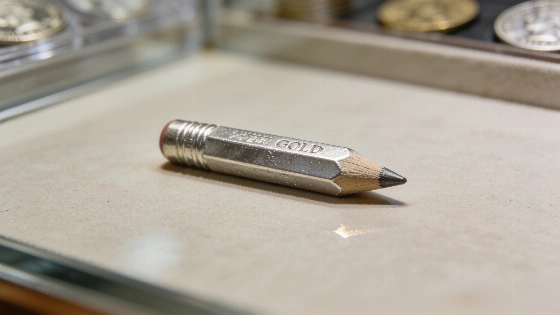
The familiar Crayola crayon has taken on a new form as a precious metal collectible, with the launch of a licensed series crafted from .999 fine silver. Kevin Lipton Rare Coins, based in Beverly Hills, California, has partnered with Crayola to introduce the Crayola Precious Metals Crayons Collection, beginning with a Blue Crayon unveiled at the 2026 ANA World's Fair of Money in Pittsburgh. Each crayon in the series contains 1.5 troy ounces of pure silver and is designed to closely match the dimensions and appearance of a standard Crayola crayon, offering crossover appeal to bullion buyers, collectors, and fans of the brand.
From Childhood Icon to Collectible Silver
The debut of the Blue Crayon marks the start of a multi-year program, with future releases planned to include standard Crayola colors, rare shades, fan favorites, and specialty editions. The aim is to allow collectors to assemble a full box of silver crayons over time, each piece arriving in premium Crayola-branded packaging. The companies have not yet published the full release schedule or color sequence, but the program is positioned to attract both traditional numismatic collectors and those interested in branded collectibles.
The ANA World's Fair of Money, held from August 25 to 29, 2026, at the David L. Lawrence Convention Center, provided a high-profile stage for the launch. The event is a major gathering for coin dealers, collectors, and numismatic organizations, and the introduction of a silver crayon stands out among the more conventional coins, medals, and bullion products typically featured. This approach reflects a broader trend in the collectibles market, where familiar consumer brands are reimagined in precious metals to reach new audiences.
Crayola's Cultural Legacy and New Directions
Crayola's roots in American culture date back to 1903, when the brand name was coined by Alice Binney, combining the French word "craie" (chalk) with "ola" (from oleaginous). Over more than a century, Crayola has expanded beyond art supplies into a wide range of products and experiences. The silver crayon initiative extends Crayola's licensing strategy into the realm of precious metals, offering a new way for collectors and fans to engage with the brand's legacy.
According to Kevin Lipton Rare Coins, the project is designed to transform a universally recognized childhood object into a premium collectible, with the expectation that collectors will seek to build complete color sets as new editions are released. The Blue Crayon was made available for purchase during the ANA World's Fair of Money through Lipton Coins, Fine Art & Antiques Gallery, with plans for broader distribution via authorized sellers. Additional details and updates are provided on the company's website, KLRCI.com.
Facts and Figures: Silver Content and Market Context
Each Crayola silver crayon contains 1.5 troy ounces (approximately 46.7 grams) of .999 fine silver, a weight that aligns with established bullion products in the collectibles market. The ANA World's Fair of Money, where the series debuted, is one of the largest numismatic events in the United States, drawing hundreds of exhibitors and thousands of visitors annually. The introduction of branded silver collectibles at such events reflects a growing intersection between traditional numismatics and consumer brand licensing. For comparison, the same 2026 event is also set to feature the historic display of all 11 government-owned 1933 Double Eagles, as detailed in this coverage of rare U.S. coin exhibitions.
Expanding the Precious Metals Collectibles Market
Kevin Lipton Rare Coins operates as a major distributor of numismatic material, bullion, and licensed collectibles, while Crayola LLC, owned by Hallmark Cards, Incorporated, continues to focus on creativity and self-expression across generations. The collaboration between these companies signals a shift in how precious metals are marketed and collected, blending nostalgia, brand recognition, and tangible value. As the series expands, it will test the appetite of collectors for non-traditional bullion formats and the enduring appeal of iconic consumer brands in new material forms.
The transformation of everyday objects into precious metal collectibles highlights the evolving boundaries of numismatics. While coins and medals have long been the mainstay of the market, the introduction of branded items such as the Crayola silver crayon demonstrates how licensing and design innovation can create new entry points for collectors. This trend raises questions about the future of collecting, the role of authenticity and brand heritage, and the ways in which value is assigned to objects that bridge the worlds of childhood memory and tangible investment.