
Several US coin series with low surviving numbers and unique designs are being bypassed by collectors, including proof Liberty nickels, 2-cent and 3-cent nickels, Trimes, and select foreign issues.
Scarcity and visual appeal don't always guarantee attention in coin collecting. While some coins draw headlines and high prices, others with few surviving examples and detailed designs are often ignored. This is especially true for proof Liberty nickels with cameo finishes, as well as minor denominations like the 2-cent, 3-cent nickel, and Trime coins. The Federal Reserve has noted that collector demand sometimes follows broader trends in currency use, where certain denominations fade from favor even if they have historical or intrinsic value.
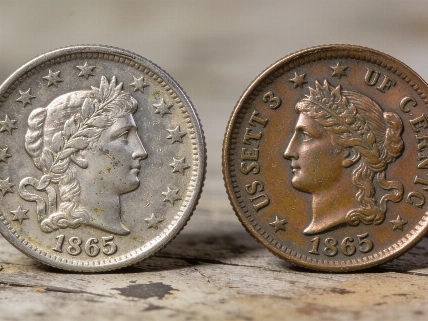
Proof Liberty nickels with cameo or ultra cameo finishes are a clear example. These coins are visually striking and assembling a high-grade set is difficult, yet they rarely get much attention. For some dates, such as 1889, only a handful have been certified at Proof 65 Cameo or higher. Even for the more common dates, fewer than 100 examples survive. The cameo or ultra cameo label alone doesn't make a coin rare; true scarcity depends on both the original mintage and the number of coins certified in a specific grade, as shown by market research and grading agency reports in recent numismatic analysis. Finding coins that are fully struck and free from flaws like milk spots adds another challenge for collectors.
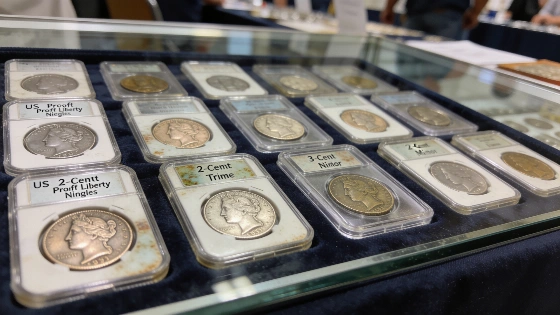
At major coin shows, even with hundreds of dealers, proof Liberty nickels with cameo designations are hard to find. Reports from recent events show that fewer than ten such coins were available across all booths, highlighting their scarcity. The main challenge isn't just price-it's finding well-preserved examples at all. Assembling a complete set can take years. This pattern matches broader market principles noted by the Bank for International Settlements, where scarcity at the point of sale can outweigh headline demand, especially for niche collectibles.
Other overlooked US coin series include the 2-cent piece, 3-cent nickel, and Trime (three-cent silver) coins. These denominations, once used in daily transactions, now rarely appear in the collector market. Their low availability may explain the lack of attention, as collectors often prefer series that are easier to complete or more widely recognized. The same is true for some US Mint sets and uncirculated rolls, which, despite their history, don't always attract lasting interest. The European Central Bank has noted in its bulletins that changes in public preferences for certain denominations can have long-term effects on both circulation and collector markets.
This trend isn't limited to US coins. Some collectors see Canadian coins as equal to their American counterparts in design and silver content, but they're often dismissed as "junk silver" rather than valued for their numismatic qualities. Franklin Mint issues for foreign countries, many with mintages of a thousand or fewer, are also tough to collect in full today. For a broader look at global currency trends and rare coin markets, see the IMF's global financial data portal.
Even relatively modern coins like the Eisenhower dollar, which introduced many to collecting, are often skipped in favor of older or more popular series. This pattern isn't new. In a reported earlier case, a rare 1797 gold eagle resurfaced, sparking debate over how historic coins are authenticated and valued.
For collectors focused on proof Liberty nickels, the numbers are clear. Fewer than 100 examples survive for most dates, and only four are certified at the highest cameo grades for some years. Completing a top-tier set is unlikely. When these coins do appear at auction, they can bring five-figure prices, even if they don't meet the strictest cameo standards. The need for coins to be fully struck and free from common flaws makes the search even harder. As the Federal Reserve's meeting minutes often note, scarcity and market liquidity can drive up prices in both currency and collectibles markets.
Looking at US coinage more broadly, the 2-cent, 3-cent nickel, and Trime coins mark a period of experimentation and change in American money. Their limited production and disappearance from circulation have left only a small number of survivors, making them both a challenge and an opportunity for collectors willing to look beyond the mainstream. The Bank of England has also observed that changes in coinage and denomination policy can have lasting effects on collector interest and market supply.
The ongoing neglect of these rare and historically important coin series shows that the market often favors convenience and familiarity over true scarcity and craftsmanship. Collectors who explore these overlooked areas may face more difficulty, but the rewards-both personal and, possibly, in future recognition-can be significant. As the numismatic community changes, those willing to pursue less-traveled paths may help redefine what it means to build a meaningful collection.
Minor US coin denominations like the 2-cent, 3-cent nickel, and Trime were introduced in the 19th century to help make change during coin shortages. The 2-cent piece, first issued in 1864, was the first US coin to feature the motto "In God We Trust." The 3-cent nickel and Trime filled gaps in small change, especially during the Civil War and Reconstruction. Their eventual discontinuation reflected shifts in commerce and the US monetary system, leaving behind coins that are now rare in both circulation and collecting.