Banco Inter is upgrading its merchant payment platform in Brazil through a partnership with ACI Worldwide, aiming to broaden payment acceptance-including Pix-and strengthen fraud prevention and analytics for 100,000 businesses
Banco Inter, a leading digital bank in Brazil, is advancing its merchant payment capabilities by integrating technology from ACI Worldwide into its commercial payments division, Inter Pag. This move is designed to allow the 100,000 merchants served by Inter Pag to accept a wider array of payment methods, including Brazil's national instant payment system, Pix. The upgrade is part of Banco Inter's broader strategy to enhance payment flexibility and security for businesses operating in one of Latin America's most dynamic digital economies.
The ACI acquiring platform, now live with Inter Pag, brings merchants access to advanced fraud prevention, analytics, and reporting tools. These features are increasingly important as digital payments grow in volume and complexity. The platform's back-office card management is powered by a previous ACI agreement with payments processor RS2, signed two years earlier, which supports the operational side of card transactions and settlements.
Rebranding and Expansion of Inter Pag
Inter Pag is the new identity for the Granito platform, which Banco Inter acquired from Banco BMG in July 2024. Granito was originally established as a joint venture between Banco Inter and Banco BMG in 2021. The full acquisition, valued at BRL 110 million (approximately $21.3 million), gave Banco Inter complete control over the platform, enabling a unified approach to merchant services and payment innovation. The rebranding reflects Banco Inter's intent to consolidate its position in Brazil's competitive payments sector and to offer merchants a seamless experience across payment types.
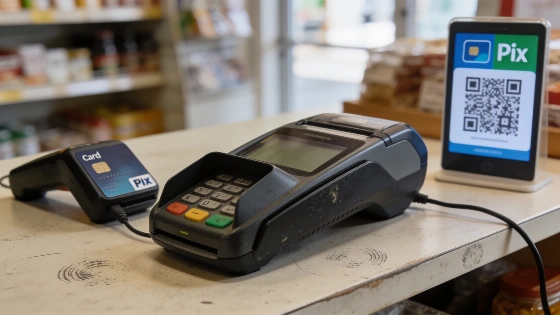
With the integration of ACI Worldwide's technology, Inter Pag merchants can now accept not only Pix but also a broader range of card and digital payment options. This is particularly relevant as Brazil's payment landscape continues to evolve, with instant payments and digital wallets gaining traction among consumers and businesses alike. The enhanced fraud prevention and analytics tools are expected to help merchants manage risk and gain deeper insights into transaction patterns, supporting more informed business decisions.
International Payment Infrastructure and Regulatory Developments
Banco Inter's payment modernization efforts extend beyond domestic transactions. The bank has also adopted cross-border payment infrastructure from TerraPay, connecting to the Xend roaming network since January of the previous year. This network enables direct bank-to-wallet transfers between 3.7 billion digital wallets and 7.5 billion bank accounts worldwide, facilitating international payments for Brazilian businesses and consumers. The expansion of payment capabilities aligns with broader trends in global finance, where banks and payment providers are seeking to streamline cross-border transfers and reduce friction for end users.
In a further sign of its international ambitions, Banco Inter received approval from the Federal Reserve to establish a new state-licensed branch in the United States, which officially opened in June. This development positions Banco Inter to serve Brazilian clients with interests in the US and to participate more directly in international payment corridors. The move follows a pattern seen in other major economies, where regulatory cooperation and infrastructure upgrades are reshaping the landscape for cross-border payments. For example, recent coordination between the US and Japan to address currency pressures demonstrates how regulatory and technological changes can influence payment flows and currency stability, as discussed in this analysis of US-Japan currency coordination.
Key Figures and Payment Trends
According to Banco Inter, the acquisition of the remaining 50% of Granito in July 2024 was completed for BRL 110 million, consolidating its merchant payment operations under the Inter Pag brand. The platform now serves approximately 100,000 merchants across Brazil. Pix, the instant payment system launched by the Central Bank of Brazil in 2020, has rapidly become a dominant payment method, with over 150 million users and billions of transactions processed monthly as of mid-2024. The integration of Pix acceptance is a critical feature for merchants seeking to meet customer expectations and remain competitive in Brazil's fast-changing payments market.
Brazil's payment sector is characterized by rapid adoption of digital solutions, regulatory support for open banking, and a strong push toward financial inclusion. The combination of domestic instant payments, advanced fraud controls, and international transfer infrastructure positions Banco Inter to address both local and cross-border payment needs. However, as payment systems become more interconnected, the risks associated with fraud, compliance, and operational complexity also increase, requiring ongoing investment in technology and expertise.
Instant payment systems like Pix have transformed the way money moves in Brazil, enabling real-time transfers between individuals, businesses, and government entities. Unlike traditional bank transfers, which may be subject to delays and higher fees, Pix operates 24/7 and is free or low-cost for most users. For merchants, accepting Pix can reduce transaction costs and improve cash flow, but it also introduces new challenges in fraud detection and reconciliation. As more banks and payment providers integrate instant payment capabilities, the competitive landscape is likely to shift further, with technology and regulatory compliance playing a central role in shaping future developments.