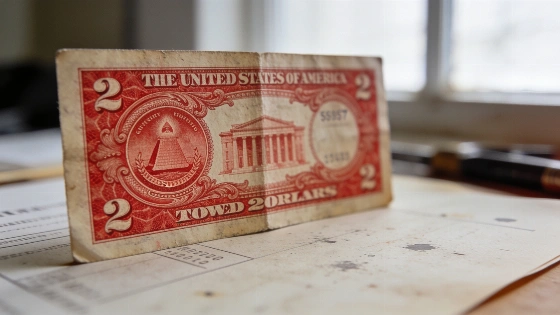
A 1928D $2 mule bearing serial D08430054A is now the highest reported example of its variety. Lawrence Thomas's census also contains a conflicting claim about its serial block.
Serial number D08430054A puts a Series of 1928D $2 note above the previously reported high for one scarce variety. The note is identified as a mule: its face and back have plate serial numbers of different sizes. Its back plate is 275. In numismatics, a mule combines printing plates with different serial-number sizes or configurations on the two sides.
The report has a recordkeeping conflict. Its opening description calls the note the only known 1928D mule from the DB serial block. Later, the article identifies it as the sole example from the DA block. The information provided does not resolve the discrepancy, so the block designation needs confirmation.
Series of 1928 $2 notes belong to an early generation of small-size U.S. currency and carry a red Treasury seal. Collectors track them by series and letter, then consider condition and serial number. Printing variety and the presence of a star also matter. A NewsBreak market overview puts circulated Series of 1928 red-seal $2 notes at roughly $4 to $175, with exceptional examples worth considerably more. It cites potential prices above $20,000 for certain rare 1928-B notes. Those broad estimates do not price this 1928D mule.
Lawrence Thomas keeps a census of the lowest and highest known serial numbers for varieties of Series of 1928 red-seal $2 notes. He gathers reports from auctions and eBay listings, as well as currency shows and grading-service censuses. Other collectors contribute, and Thomas shares findings through the Facebook forum "Small-Size Variety Collectors." It is a working record, not a complete Bureau of Engraving and Printing production ledger.
That distinction matters. Surviving Bureau records generally do not establish the actual first and last serial numbers for each variety. Thomas's research helps locate where one variety begins or ends, and where production overlaps. New reports can shift those boundaries.
The new report stands out beside another high example Thomas found, a 1928D mule numbered C62022356A. The source reports a gap of 46 million serials between the two. Last summer, Thomas also raised the known high for 1928D non-mules with note D37080136A. He has been documenting serial ranges for 1928-series star notes as well.
Series of 1928 $2 notes were printed from 12-subject plates on presses that could hold as many as four plates. Sheets leaving a press received impressions from the plates in use. Face plates carried Treasury signatures along with the series date and letter, so a signature change required a different face plate.
The Bureau kept using plates with obsolete signatures as newer plates entered production. When old and new plates ran together, consecutively numbered sheets could alternate between signature combinations. Thomas compares surviving notes to identify the first reported use of a new combination and the last reported use of an older one.
A similar overlap followed the 1939 enlargement of plate serial numbers. Those numbers appear in the lower-right borders on both sides of the notes. The Secret Service requested larger numbers so agents could read them on worn currency. Mixed plates produced four varieties. On 1928C non-mules, both sides have small numbers; on 1928D non-mules, both sides have large numbers. The 1928C mule has small face numbers and large back numbers. The 1928D mule reverses that arrangement.
Not every production transition created an overlap. Between the 1928B and 1928C series, the legal-tender clause shrank from four lines to three after the Treasury removed obsolete wording. Later, between Series of 1928F and 1928G plates in 1950, the face design became slightly narrower. Currency image dimensions were standardized to reduce cutting errors. Numbering at both changeovers was sharp rather than mixed.
Large-seal $2 notes from the 1928 series draw collector interest for their Treasury signatures and plate varieties. The denomination also appeared with small seals in the Series of 1953 and 1963. Issuance ceased in 1966. United States Notes originated during the Civil War and became legal tender by congressional authority. The source describes them as interest-free loans to the federal government, a historical feature beyond the usual collectible details.
Serial-number research documents surviving examples, not the full production run. A gap between reported notes does not prove that no others were printed within it. Incomplete Bureau records and plate mixing limit what researchers can reconstruct. Thomas updates his findings as collectors and market listings turn up additional examples.
A serial census and an auction record answer different questions. One tracks known production varieties; the other records a sale. A recent auction report covered the Rittenhouse Specimen 1792 half disme, a separate example of collector attention to an early United States issue.
Plate mixing helps explain why a Series of 1928 variety's serial range may not form one uninterrupted sequence. Each newly documented note can refine the reported boundaries, which still depend on surviving examples rather than complete original production records.
Market estimates for collectible $2 notes vary with condition and series. Seal color and serial number also affect them. NewsBreak's market overview gives broad price ranges for circulated Series of 1928 red-seal notes and describes much higher estimates for select rare varieties. It does not establish a sale price for the D08430054A note.