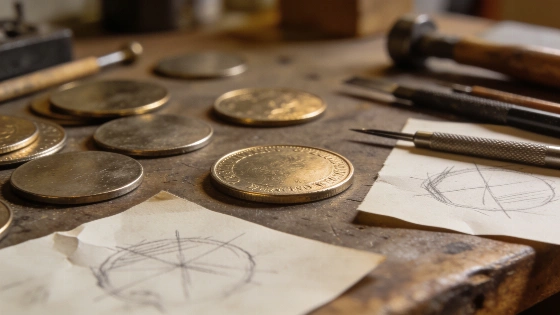
The United States Mint has selected 37 artists for its Artistic Infusion Program, offering new perspectives on coin and medal design. Participants receive assignment fees and bonuses for chosen designs, reflecting a push for creative diversity.
When the United States Mint revealed its latest Artistic Infusion Program (AIP) roster, it signaled a deliberate move to broaden the creative vision behind the nation's coins and medals. Thirty-seven artists-ranging from established names to first-time contributors-will now compete to leave their mark on the physical currency Americans use and collect.
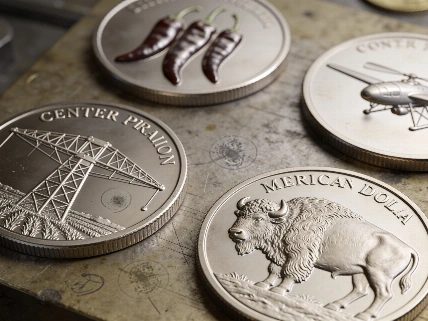
Unlike the Mint's in-house engravers, AIP artists are contracted from outside the institution, bringing backgrounds in comics, poster art, graphic design, and other visual disciplines. This external pool is tasked with producing original designs for circulating coins, commemorative issues, and official medals, all under the guidance of the Mint's staff and chief engraver.
Selection Process and Artist Incentives
To qualify for the AIP, artists must be US citizens aged 18 or older and demonstrate a portfolio of published or exhibited work in a design-driven field. The Mint pays $3,000 for each assignment and awards a $5,000 bonus if a design is selected for production. This structure is intended to attract both seasoned professionals and emerging talent, ensuring a steady influx of new ideas.
The 2026 AIP lineup features a mix of familiar and new names, including Esao Andrews, Peter Beck, Tasha Beckwith, Kristine Campbell, Sean Cheetham, Robert J. Clarke, Francis Cook, Donovan Corcoran, Chris Costello, Emily Damstra, Lucas Durham, Donald Everhart, Barbara Fox, Jamie Franki, Dennis Friel, Kimberly Fulton Orozco, Gian Galang, Elana Hagler, Jesse Hernandez, Christina Hess, Thomas Hipschen, Kathryn Hudson, Robert Kraiza, James Martin, Matthew Molen, Sean Murray, Laurie Musser, Walter O'Neal, Christopher Polentz, Paul Romano, Ronald Sanders, Andrew Sides, Benjamin Sowards, Gennady Spirin, Matthew Swaim, Sara Tepes, and Beth Zaiken. Several of these artists have already contributed to past coin and medal designs, while others are making their debut in the Mint's creative process.
Impact on Coin Design and Circulation
Since its launch in 2003, the Artistic Infusion Program has aimed to inject fresh perspectives into US coinage, countering the risk of visual stagnation. The Mint's decision to contract with artists from diverse backgrounds has resulted in coins and medals that reflect a broader range of American stories, symbols, and artistic styles. This approach has also helped the Mint respond to public demand for more innovative and representative designs.
According to the Mint's published guidelines, AIP artists are responsible for creating designs that meet technical requirements for minting while also capturing themes relevant to American history, culture, and values. The final selection process involves review by the Mint's staff, the Citizens Coinage Advisory Committee, and, in some cases, Congressional approval for commemorative issues.
Program Data and Participation
As of 2026, the Artistic Infusion Program has contracted more than 60 artists since its inception, with the current roster of 37 representing the largest single-year group to date. Each year, the Mint commissions dozens of new designs for coins and medals, but only a fraction are ultimately selected for production. The $3,000 assignment fee and $5,000 selection bonus have remained unchanged since the program's early years, providing a consistent incentive structure for participants.
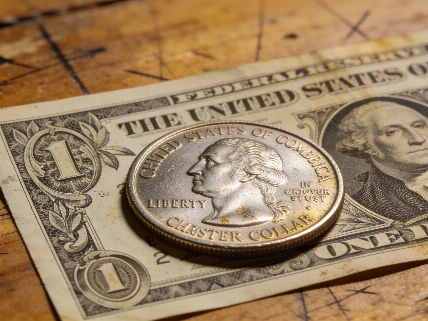
For collectors and the general public, the influence of AIP artists is visible in recent coin series, including circulating quarters, commemorative dollars, and national medals. The Mint's website offers detailed profiles of each artist and showcases their previous contributions to US currency.
Editorial Perspective
The United States Mint's continued investment in the Artistic Infusion Program is more than a nod to creative diversity-it is a calculated strategy to keep American coinage relevant and engaging in a digital age. By opening its doors to artists from outside traditional numismatic circles, the Mint is betting that fresh perspectives will help coins remain objects of cultural and historical significance, not just tools for everyday transactions. The real test will be whether these new designs resonate with the public and collectors alike, ensuring that physical currency maintains its place in American life even as digital payments become more dominant.
The Artistic Infusion Program illustrates how institutional design choices can shape not only the look of money but also its meaning. By prioritizing diversity of experience and artistic vision, the Mint is setting a precedent for how national symbols are created and renewed. The program's structure-offering both assignment fees and selection bonuses-reflects a pragmatic approach to attracting talent while maintaining high standards. As the 2026 roster gets to work, the outcome will be measured not just in coins produced, but in the stories and identities those coins carry into circulation.
The process of designing coins for the United States Mint involves multiple layers of review and approval. After AIP artists submit their concepts, Mint staff and the chief engraver assess technical feasibility and adherence to theme. The Citizens Coinage Advisory Committee, an independent body, evaluates artistic merit and historical relevance. For commemorative coins, Congressional authorization is often required, adding another layer of scrutiny. This multi-stage process is designed to balance artistic innovation with the practical demands of mass production and the symbolic weight of national currency.