The United States is set to halt minting of the 1-cent coin after new legislation, but billions of cents will remain in use, raising questions for cash transactions, merchants, and collectors as rounding rules are introduced.
The United States is on the verge of a major change in its coinage system as Congress moves to formally end production of the 1-cent coin. On August 7, the Senate approved S. 1525, known as the Common Cents Act, following the House's passage of a similar bill, HR 3074, on July 14. This legislative action, if signed into law, will officially halt the minting of new one-cent coins, a step that has been debated for years but never fully enacted. While previous policy allowed the president to order a stop to cent production, only an act of Congress can make the change permanent and legally binding.
Billions of Cents Remain in Circulation
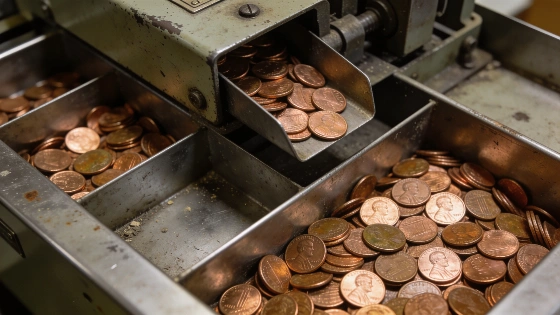
The new legislation does not demonetize or withdraw the cent from circulation. Instead, it simply ends further production, ensuring that existing coins will continue to be accepted for payments and deposits. With an estimated 800 one-cent coins for every US resident, the denomination will remain a familiar part of daily transactions for years to come. The law also introduces federal rules for rounding cash transactions, giving merchants clear options when prices are not already rounded to the nearest five cents. This is intended to simplify cash payments and reduce the need for small change, though electronic and card payments will not be affected by the rounding rules.
Implications for Merchants and Collectors
For retailers, the end of cent production means adapting to new rounding practices at the point of sale. The legislation provides flexibility, allowing merchants to round cash totals up or down according to federal guidelines. This change is expected to streamline cash handling and reduce costs associated with managing low-value coins. Meanwhile, collectors are already turning their attention to the billions of cents still in circulation. Cents dated 1981 or earlier, which contain a higher copper content, are particularly sought after, though it remains illegal to melt these coins for their metal value. The ongoing presence of the cent ensures that grade rarity and condition will become increasingly important for collectors searching for valuable examples.
Cost Pressures and the Future of Small Denominations
The decision to end cent production follows years of debate over the cost of minting low-value coins. The US Mint has consistently reported that producing a one-cent coin costs more than its face value, largely due to metal prices and manufacturing expenses. Similar concerns have been raised about the five-cent coin, which may also face scrutiny in the future if production costs remain high. The move to eliminate the cent aligns the US with other countries that have already withdrawn their lowest denominations, such as Canada and Australia, where cash rounding has become standard practice.
According to US Mint data, more than 300 billion one-cent coins have been produced since the denomination was first issued in 1793. In recent years, annual cent production has exceeded 7 billion coins, despite declining demand for cash in everyday transactions. The new legislation is expected to save the federal government millions of dollars annually in production and distribution costs, though the exact savings will depend on how quickly existing coins are removed from circulation through natural attrition.
For those interested in the broader context of US coin collecting and rare denominations, the story of the 1879 Liberty Head Quintuple Stella gold coin-one of the rarest in American numismatic history-offers a fascinating parallel to the changing landscape of US coinage. The coin is set to be auctioned in 2026, highlighting how shifts in currency policy can influence collector interest and market values. Read more about the Quintuple Stella and its unique place in US coin history.
Understanding Legal Tender and Rounding Rules
Ending production of a coin does not automatically remove its legal-tender status. In the US, coins and banknotes remain valid for payments and deposits unless specifically demonetized by law. The cent will continue to circulate, and banks will accept deposits of one-cent coins as usual. The new rounding rules apply only to cash transactions, meaning that electronic payments, checks, and card purchases will still be settled to the exact cent. Merchants are not required to round prices in advance, but must follow federal guidelines when giving change for cash payments. This approach is designed to minimize disruption for consumers while reducing the logistical burden of handling small coins.
The transition away from the one-cent coin marks a significant moment in US monetary history. While the cent will remain in circulation for years, its gradual disappearance from daily life will be shaped by both practical considerations and the evolving habits of American consumers and businesses.
The distinction between withdrawing a coin from production and demonetizing it is crucial in currency management. Withdrawal simply means no new coins are minted, while demonetization removes a coin's legal-tender status, making it invalid for payments. Many countries have chosen to withdraw low-value coins without demonetizing them, allowing existing coins to circulate until they are naturally lost or damaged. This gradual approach avoids sudden disruption and gives the public time to adapt. The US decision to end cent production but retain its legal-tender status follows this model, balancing cost savings with continuity for cash users and collectors alike.