
President Trump's repeated private calls to Fed Chair Kevin Warsh, focused on topics like artificial intelligence and the Iran conflict but steering clear of direct rate discussions, are raising new questions about the Federal Reserve's independence and market confidence
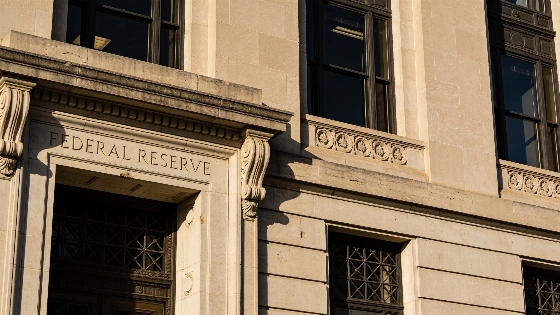
Since Kevin Warsh became Chair of the Federal Reserve in May, the central bank has faced a complex policy environment shaped by both global events and domestic political dynamics. According to a report from The Wall Street Journal, President Trump has been making repeated private calls to Warsh, seeking his perspective on issues such as artificial intelligence and the economic impact of the war in Iran. While these conversations have reportedly avoided direct discussion of interest rates, the pattern of contact is drawing renewed scrutiny to the Federal Reserve's independence at a time of heightened market sensitivity.
Market participants are especially alert to any sign of political influence over the central bank, given President Trump's well-documented history of urging Warsh's predecessor to lower rates. The Journal describes Trump's outreach as occurring in bursts-several calls over a few days, followed by quieter periods. Sources familiar with the matter say the president has sought Warsh's counsel on how the Iran conflict and rapid advances in artificial intelligence could affect the U.S. and global economies. The absence of direct rate discussions has not eased concerns that the central bank could face renewed pressure to adjust policy in response to political priorities.
Bond Markets React to Political Signals
The bond market's response to these developments has been cautious but notable. Warsh's first press conference as Fed Chair last month was met with skepticism on Wall Street, as investors weighed his hawkish rhetoric on price stability against the decision to keep rates unchanged despite three internal dissents. The lack of detailed forward guidance unsettled some investors, who demanded what analysts called a "credibility premium"-reflected in a rise in long-term Treasury yields. The upcoming September policy meeting, which will include new economic projections, is expected to draw even closer scrutiny of Warsh's communication and the Fed's policy direction.
Recent market data shows that the 30-year U.S. Treasury yield, which is particularly sensitive to inflation expectations, reached a 19-year high on Friday before retreating over the next three trading sessions. The policy-sensitive 2-year yield has also declined in recent days but remains well above the effective federal funds rate, indicating that markets are still pricing in a possible rate hike. As of this week, futures markets see the odds of a rate increase at the next meeting as roughly even. The direction of Treasury yields in the coming weeks will be a key indicator of whether investors believe the Fed can maintain its credibility and independence amid political crosscurrents.
Inflation, Iran, and Uncertainty
Several risk factors continue to complicate the Fed's policy outlook. The war in Iran has contributed to higher energy prices, raising headline inflation and adding to uncertainty about the persistence of price pressures. Next week's July consumer inflation report will provide an important update on whether these effects are temporary or more entrenched. Meanwhile, reports of a potential deal to reopen the Strait of Hormuz-a critical waterway for global energy exports-could help stabilize energy prices and ease inflationary pressures in the months ahead. If so, the Fed's decision to hold rates steady may be viewed more favorably in retrospect.
Despite some optimism from the recent pullback in long-term yields, analysts remain divided on whether Treasury yields have peaked or will resume their upward trend, potentially forcing the Fed's hand. The central bank is navigating a period of unusual ambiguity, with multiple risk factors-geopolitical, technological, and economic-interacting in unpredictable ways. Some market observers warn that the Fed's credibility could be at risk if Warsh continues to offer only vague guidance on the need for further tightening in response to inflation. The debate over the Fed's independence and effectiveness is now a prominent topic on Wall Street, and the revelation of Trump's private calls has only intensified the focus on Warsh's leadership.
Facts and Figures: Treasury Yields and Policy Odds
In the week ending Wednesday, the 30-year U.S. Treasury yield fell from a 19-year high reached on Friday, declining over three consecutive trading sessions. The 2-year Treasury yield, closely watched for its sensitivity to policy expectations, also dropped but remained above the effective federal funds rate. As of this week, futures markets are pricing the probability of a rate hike at the next Federal Reserve meeting as approximately 50%, reflecting deep uncertainty about the central bank's next move.
The relationship between central bank independence and market confidence is a recurring theme in monetary policy. The Federal Reserve, like other major central banks, is structured to operate independently from direct political control in order to maintain credibility with markets and the public. However, periods of political pressure-whether overt or subtle-can test this independence, especially when policy decisions have significant economic and electoral consequences. The perception of political influence can itself move markets, as investors adjust their expectations for future policy and risk premiums. Ultimately, the effectiveness of monetary policy depends not only on the decisions made, but also on the trust that those decisions are guided by economic, rather than political, considerations.