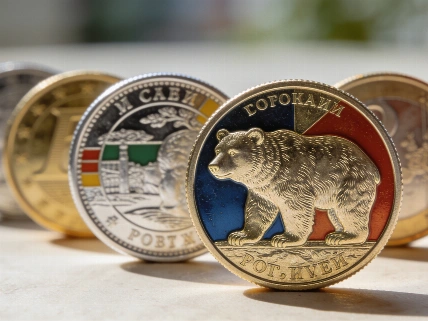
A new wave of commemorative coins from ten countries marks milestones in peace, human rights, and environmental protection, reflecting how currency design can capture national memory and global ideals
Commemorative coins have long served as more than just currency-they are miniature canvases that reflect the values, history, and aspirations of their issuing countries. In 2026, ten new coins from Australia, Canada, France, Greece, Hungary, Italy, Latvia, Niue, Portugal, and Ukraine have been recognized for their inspirational themes, each highlighting a different facet of humanity's ongoing pursuit of peace, freedom, and human rights.
These coins, issued by national mints and central banks, do not circulate in everyday transactions but are produced in limited quantities for collectors and as symbols of national memory. Their designs often commemorate significant anniversaries, cultural achievements, or pressing global challenges, offering a unique perspective on how societies choose to represent their ideals through physical money.
Designs Reflecting National and Global Stories
Australia's "Dawn" coin, part of the Treasured Australian Poetry series, features an idyllic landscape inspired by Dorothea Mackellar's poem, capturing the distinct character of the Australian bush. Canada's 100-dollar gold coin marks the 80th anniversary of the end of the Second World War in Europe, depicting a Canadian soldier greeted by a Dutch mother and child-a reference to Canada's role in the liberation of the Netherlands in 1945.
France's 10-euro silver coin commemorates the 80th anniversary of the liberation of Auschwitz-Birkenau, with a design showing prisoners' hands forming a dove above barbed wire, symbolizing hope and freedom. Greece's 6-euro coin highlights the International Year of Glaciers' Preservation, drawing attention to environmental conservation and the fragile ecosystems dependent on glaciers.
Hungary's 20,000-forint silver coin honors education for the blind, incorporating Braille into its design to emphasize accessibility and the right to knowledge. Italy's 5-euro coin, "Against Violence, Together With Women," features the poem "Free Butterflies" and the symbolic red shoes, a widely recognized emblem in the fight against violence toward women.
Celebrating Heritage, Nature, and Social Progress
Latvia's 5-euro coin, "Latvian Book - 500," marks five centuries since the first book was printed in Latvian, with imagery of hands holding a book and a narrative of cultural preservation. Niue's "The Forest Guardian" coin presents a personified vision of nature, with a human-like face emerging from foliage, reflecting the interconnectedness of people and the environment.
Portugal's bi-metallic 2-euro coin commemorates the 10th anniversary of the United Nations' 2030 Agenda for Sustainable Development, reinforcing the global commitment to sustainability. Ukraine's "Let's Hold the Line!" coin, issued in nickel silver, depicts defenders joining hands in unity and soldiers advancing, symbolizing national cohesion and readiness to protect the homeland.
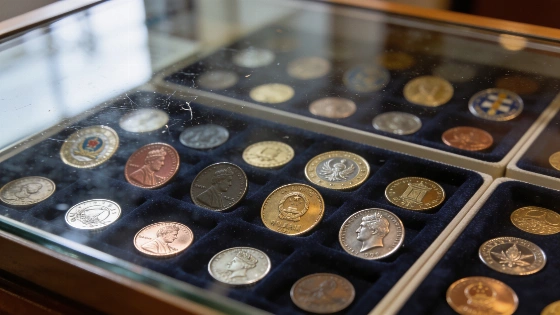
Commemorative coins like these are not only artistic expressions but also serve as educational tools and reminders of shared struggles and achievements. Their limited mintage and thematic focus often make them sought-after by collectors and institutions, and they can influence how future generations understand key moments in national and global history. The 2026 selection demonstrates how coins can encapsulate both local narratives and universal values, much like the rare 1933 Double Eagles that drew international attention when they were displayed together at a major coin event, as reported in a recent feature on historic coin exhibitions.
Facts and Figures: Coin Issues and Anniversaries
The 2026 commemorative coins span a range of denominations and materials, from Australia's copper-aluminum-nickel 50-cent piece to Canada's 100-dollar gold coin and France's 10-euro silver issue. Key anniversaries include the 80th year since the end of World War II in Europe and the liberation of Auschwitz, as well as the 500th anniversary of the first Latvian book. Portugal's coin marks a decade since the adoption of the UN's 2030 Agenda, while Greece's issue aligns with the International Year of Glaciers' Preservation. Each coin's release is coordinated by its respective national mint or central bank, with mintage figures and distribution channels varying by country and theme.
Commemorative coins are typically sold at a premium above face value, reflecting their collector appeal and production costs. While they are legal tender, their use in everyday transactions is rare, and their value is often determined by demand, rarity, and the significance of the event or theme commemorated. Collectors and institutions monitor release schedules closely, as some issues sell out rapidly or become highly valued in secondary markets.
The Role of Commemorative Coins in National Memory
Commemorative coins occupy a unique space in the world of currency. Unlike circulating coins, which are designed for durability and mass use, commemorative issues prioritize symbolism, artistry, and narrative. Their themes are selected to resonate with both domestic and international audiences, often aligning with major anniversaries, cultural milestones, or global initiatives. The process of selecting themes and approving designs typically involves collaboration between mints, central banks, artists, and sometimes public consultation, ensuring that the final product reflects a broad consensus on what is worth remembering and celebrating.
While the economic impact of commemorative coins is limited compared to circulating currency, their cultural and educational value can be significant. They serve as tangible reminders of historical events, social progress, and ongoing challenges, and can foster a sense of shared identity and purpose. As the 2026 selection demonstrates, coins remain a powerful medium for expressing collective aspirations and preserving the stories that shape national and global consciousness.
Commemorative coins differ from circulating coins in several important ways. Their legal-tender status means they can technically be used for payments, but their collector value and limited mintage usually keep them out of daily commerce. The selection of themes is often influenced by anniversaries, cultural priorities, or international events, and the approval process may involve multiple stakeholders, including government ministries, central banks, and public input. Over time, commemorative coins can become valuable historical artifacts, offering insights into the priorities and values of the societies that issued them.