Crédit Agricole now expects the Reserve Bank of India to raise rates from late 2026, as expensive oil and a poor monsoon threaten inflation. The bank keeps its USD/INR forecast near 96, highlighting the rupee's ongoing challenges.
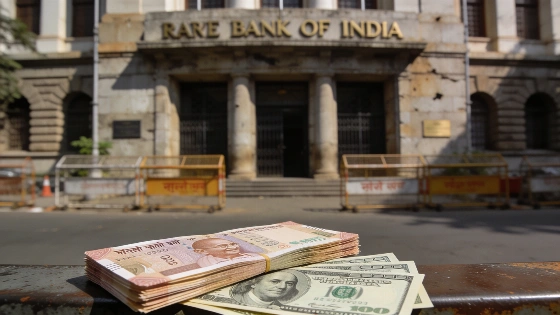
The Indian rupee is facing renewed pressure after Crédit Agricole changed its outlook on the Reserve Bank of India's (RBI) interest rate policy. The bank, which had expected the RBI to keep rates steady through 2026, now sees the first rate hike coming as early as the fourth quarter of 2026. This shift is driven by rising oil prices and a weak monsoon, both of which threaten to push inflation higher and weigh on the rupee's value against the US dollar. The change in view comes after the rupee posted its sharpest weekly drop in four months, with the USD/INR exchange rate closing near 95.71 on September 11, despite the RBI's efforts to support the currency according to Reuters.
Crédit Agricole's updated forecast follows a week in which the USD/INR closed at 95.59, just below the bank's projection of 96 for the second half of the year. The rupee lost about 1.2% over the week, erasing earlier gains from September. The new outlook suggests the RBI's previous approach of holding rates may not be sustainable as external and domestic pressures build. The rupee's decline picked up speed after Brent crude rose above $100 per barrel, raising India's import costs and demand for dollars. The RBI's interventions have so far provided only limited support as reported by Reuters.
Oil and monsoon shortfall drive policy rethink
Two main factors are behind the policy shift. First, global crude prices have moved well above the RBI's working range of $80-85 per barrel, with recent prices topping $100. This pushes up India's import bill and increases demand for US dollars, putting more pressure on the rupee. Second, weak monsoon rains have raised concerns about food supply and price stability. Data from the India Meteorological Department shows that as of September 9, seasonal rainfall was about 15% below normal, with only 648 mm recorded compared to the average 760.6 mm. This shortfall could drive up food prices and add to inflation risks.
Crédit Agricole now expects the RBI to raise its repurchase rate from 5.25% to 5.75% by early 2027, with the first hike likely in late 2026. David Forrester, a senior FX strategist at the bank, points to higher energy costs and fragile agricultural output as the main reasons for the change. Market participants note that the RBI is keeping all liquidity tools in play, including open market operations and FX swaps, to keep overnight rates close to the key repo rate, as traders and analysts have recently discussed.
Higher rates may offer limited support
Even if the RBI raises rates, the rupee may not get much relief. The US Federal Reserve's latest inflation data and a shift toward a more hawkish stance-shown in a Reuters poll expecting at least one more Fed rate hike-mean US yields could stay high, limiting the impact of RBI tightening. If US rates rise further, the benefit of an RBI hike could be offset, making it harder for the rupee to recover. Inflation in India for August was also expected to hit a 20-month high, mainly due to food and fuel prices, adding to the RBI's policy challenges.
Crédit Agricole believes that a 50 basis point rate increase, continued capital inflows through the RBI's external commercial borrowing (ECB) and offshore foreign currency borrowing (OFCB) programs, and record-high foreign exchange reserves should help limit further rupee losses. The bank keeps its USD/INR forecast at 96.00 for the second half of 2026, with a longer-term range between 92.50 and 101.50, depending on how the RBI uses its reserves and manages forward positions. The RBI's policy tools and willingness to intervene remain central to the rupee's near-term outlook.
Recent moves in the USD/INR pair echo trends seen in other currencies facing energy-driven inflation shocks. For example, the Canadian dollar has also struggled to gain ground despite rising inflation, as markets weigh central bank actions against persistent external pressures as reported earlier.
Risks and outlook
Crédit Agricole's scenario highlights the difficult balance for Indian policymakers. Higher rates may slow the rupee's decline, but cannot fully offset the impact of expensive oil and weak farm output. The bank's forecast range for USD/INR-spanning nearly nine points-shows the uncertainty around future capital flows and the RBI's willingness to use its reserves. The week ending September 11 saw the rupee's sharpest weekly drop since May, with the one-day fall on September 10 the steepest since mid-July, underlining the volatility facing the currency.
For businesses and travelers, a weaker rupee means higher costs for imports, overseas payments, and international travel. Importers face steeper bills for crude and other essentials, while consumers may see higher prices for fuel and food. The RBI's response will determine how much of this pressure is absorbed by the currency versus domestic inflation. The central bank's challenge is to balance price stability and economic growth in a volatile global environment, as shown by its recent interventions and ongoing monitoring by the Reserve Bank of India.