Collectors and currency historians can now access Mike Byers' award-winning book on the world's most extraordinary mint errors online at no cost, offering a detailed look at rare mistakes, die trials, and their impact on coin collecting
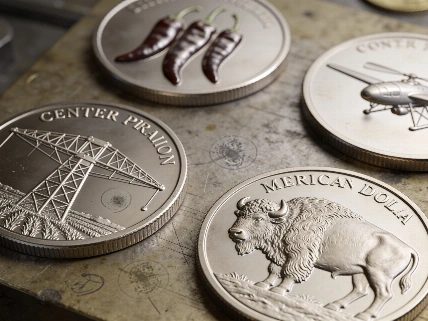
Mike Byers' influential reference work, World's Greatest Mint Errors, is now available for free online, providing collectors and researchers with unprecedented access to hundreds of rare and visually striking mint error coins. The book, which won the Numismatic Literary Guild's Best World Coin Book award in 2009, brings together some of the most unusual mistakes, experimental pieces, and die trials from mints in the United States and around the world.
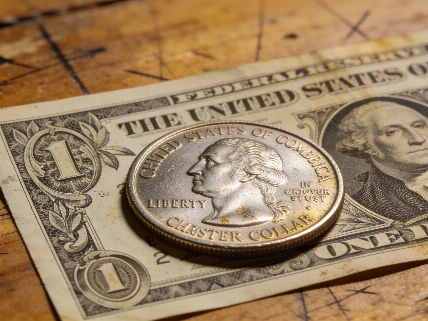
Mint errors-coins that leave the production process with significant mistakes-have long fascinated both casual collectors and numismatic specialists. While the vast majority of coins are struck and inspected to exacting standards, a small number escape with dramatic flaws. These can include off-center strikes, missing designs, incorrect planchets, or multiple impressions. Some of these coins enter circulation, while others are discovered years later in collections or dealer inventories.
According to Byers' research, the most exceptional mint errors can command prices well into the tens of thousands of US dollars, with certain historically significant pieces fetching even higher sums at auction. The book's detailed entries explain the type of error, assigned grade, rarity, and estimated value for each coin, as well as the technical processes that led to their creation.
Visual Documentation and Educational Value
One of the book's defining features is its use of large, full-color photographs, allowing readers to examine subtle details that are often missed in standard coin images. Many of the coins featured had not been widely seen before the book's publication, making the volume a valuable resource for both new and experienced collectors. Each chapter provides context on how specific error types occur during minting, from planchet preparation to die production and striking.
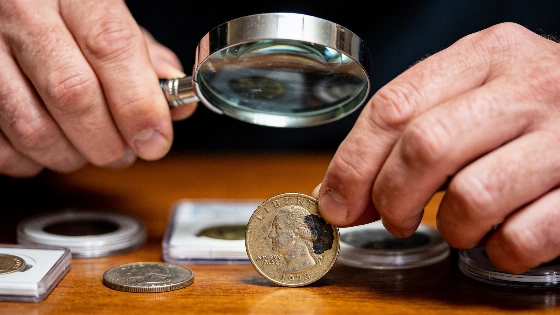
The book is designed to be accessible to collectors at all levels. Beginners can use it to learn the terminology and basics of minting errors, while advanced specialists will find in-depth analysis of rare combinations and newly discovered types. Importantly, the book distinguishes genuine mint errors-those that occur during the minting process-from post-mint damage, which can sometimes be mistaken for official errors.
Among its practical features, the book includes retail value estimates and pricing charts compiled by leading mint error dealers. While these figures reflect the market at the time of publication, Byers cautions that coin values can fluctuate and that the charts should be used as historical reference points rather than current price guides.
Building Interest in Mint Error Collecting
Byers' work aims not only to document spectacular coins but also to promote mint error collecting as a serious area within numismatics. The combination of technical explanation and striking photography is intended to engage both established collectors and those new to the hobby. The book's educational approach helps readers understand why certain coins are classified as mint errors and why others, despite unusual appearances, do not meet the criteria.
In 2009, the Numismatic Literary Guild recognized World's Greatest Mint Errors with its Best World Coin Book award, highlighting its contribution to numismatic literature. The award was presented during the annual NLG Bash, held alongside the American Numismatic Association's World's Fair of Money in Los Angeles. The Guild, established in 1968, is known for honoring excellence in numismatic writing and publishing.
Access and Practical Implications
Physical copies of Byers' book have become increasingly difficult to find, but the full volume is now accessible online at no cost through the author's website. This digital release includes all original photographs, descriptions, and educational content, making it easier for a new generation of collectors and researchers to study some of the most remarkable mint-made mistakes ever recorded.
For those interested in the technical and historical aspects of coin production, the book offers insight into how even the most controlled minting environments can produce unexpected results. Each documented error serves as a record of a moment when the minting process deviated from its intended path, sometimes leaving only a handful of surviving examples.
According to auction data from major US and international numismatic sales between 2015 and 2025, the highest prices for mint error coins have exceeded USD 100,000 for unique or historically significant pieces. However, most error coins sell for much lower amounts, with common types often trading in the USD 50-500 range depending on rarity, condition, and demand. These figures highlight the wide spectrum of value within the mint error market and the importance of accurate identification and grading.
Understanding the distinction between genuine mint errors and post-mint alterations is essential for collectors and dealers. Genuine errors must show evidence of a production mistake occurring during one of the official minting stages, such as planchet preparation, die creation, or striking. Damage or modification after a coin leaves the mint, even if visually dramatic, does not qualify as a mint error and typically holds little or no collector value. This distinction is critical for both market pricing and the integrity of numismatic research.