
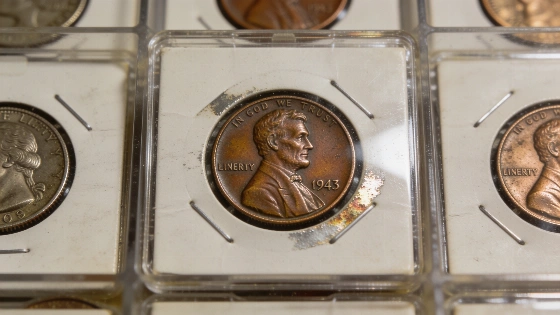
A 1943 bronze Lincoln cent, one of only about 20 known, has been authenticated and valued at $235000 after spending over 60 years in a Texas family's collection. The coin will be exhibited in Houston for collectors and the public.
Collectors in Texas just got a shock. A 1943 bronze Lincoln cent, long whispered about in coin circles, has finally come out of hiding. This coin, now authenticated and valued at $235,000, spent more than 60 years tucked away in a family's collection. Its true identity was a mystery for decades.
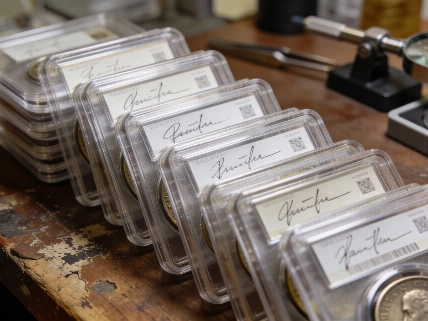
Most 1943 pennies were made of steel. The U.S. Mint needed copper for World War II. But this coin is different. It was struck on a leftover bronze blank. Only about 20 real 1943 bronze cents are known. The Professional Coin Grading Service (PCGS) graded this one Extremely Fine (XF)-40. That means it's real and in solid shape. PCGS President Stephanie Sabin says hopeful collectors send in 1943 cents all the time. Most turn out to be steel or fakes. Real ones are rare. Authentication is everything in this market. That's the bottom line, according to KTVU.
Authentication and market impact
This coin's story started in the early 1960s. A Texas family bought it from another collector. For decades, nobody knew if it was the real deal. Only recently did the family ask appraiser Alvin Stern to take a look. He got it certified by PCGS. After that, U.S. Coins and Jewelry bought the coin. Co-owner Kenny Duncan Jr. made sure it would go on public display. The $235,000 price tag matches what real 1943 bronze cents fetch today. Recent sales range from $180,000 to $336,000, depending on grade and history. In 2010, one sold privately for $1.7 million. That's what rarity and condition can do. The numbers come from FinanceBuzz.
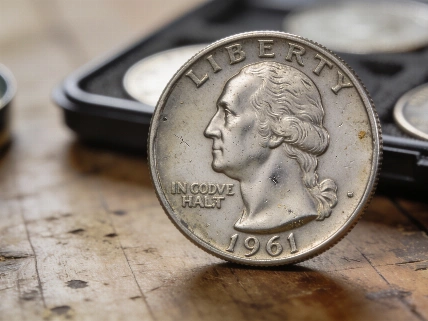
Big picture, rare coins like this move with the market. The Federal Reserve's policies and the U.S. dollar's global role shape demand for collectibles. When inflation rises or markets get shaky, people look for hard assets. The U.S. Mint switched to steel cents in 1943 to save copper. Even small coins can show how economic priorities shift. The Fed's interest rate moves still ripple through the collectibles world. Investor mood and cash flow matter here.
Public display and collector access
This newly certified cent will go on display at U.S. Coins and Jewelry's showroom at 8501 Katy Freeway in Houston. The public can see it starting October 3. Usually, coins like this sit in places like the Smithsonian or the American Numismatic Association. Now, regular collectors get a chance to see one up close. The European Central Bank (ECB) and other central banks have talked about how physical currency and collectibles fit into financial stability and public trust. The ECB's annual report on euro banknotes and coins covers this in detail.
This coin's $235,000 value puts it in a league of its own. Rare coin auctions have hit new highs lately, as reported earlier. But wartime errors like this are still almost never seen. When inflation expectations or bond yields shift, interest in rare coins can spike. Tangible assets matter more in uncertain times.
Facts and figures
In 1943, the U.S. Mint made over a billion steel Lincoln cents. Copper was for the war. Only a few leftover bronze blanks got used by mistake. PCGS says about 20 real 1943 bronze cents exist. Each one sells for six figures if it comes to market. This Texas coin's XF-40 grade means it saw some use but kept strong detail. That helps its value.
For collectors, this coin is more than a curiosity. It's a piece of wartime history. Coin production during World War II was complicated. Small mistakes turned into legends. Authenticating coins like this takes real science. Experts check the metal, weigh the coin, and use microscopes to spot fakes. The Bank for International Settlements (BIS) says strong verification and anti-counterfeiting rules are key for trust in both cash and collectibles.
Wartime coins show how money, resources, and public trust connect. The switch from copper to steel in 1943 was all about the war. But the errors left behind are now prized by collectors. Authentication has to keep up with better fakes. That's why third-party grading is now the standard for proving a coin's story and value.