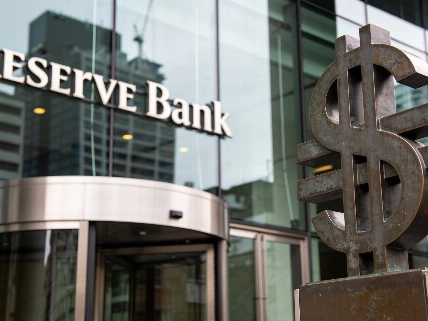

Sterling remained steady after UK inflation data for July aligned with forecasts, easing immediate pressure on the Bank of England to raise rates despite concerns over future energy costs and price trends
The British pound maintained modest gains against the US dollar on Wednesday after official data showed UK inflation rose in line with expectations for July. The annual consumer price index (CPI) reached 2.9%, up from 2.6% in June, matching the consensus forecast and coming in just above the Bank of England's own projection of 2.8%. This outcome suggests the central bank may have room to keep its policy rate unchanged, even as energy-related price pressures are expected to intensify later in the year.
At 08:00 GMT, the pound traded at 1.3556 against the US dollar, up 0.18% on the day. The euro also edged higher, with EUR/USD at 1.1597. The main drivers behind the July inflation increase were a rebound in utility prices and earlier-than-usual clothing sales, while food and airfare inflation eased. Core inflation, which excludes volatile items such as energy and food, remained steady at 2.6%, and services inflation slowed to 3.4%. These figures indicate that domestically generated inflation remains contained, limiting the pound's immediate upside.
Bank of England Faces Limited Pressure
With core inflation stable and headline inflation only slightly above the Bank of England's forecast, market expectations for further rate hikes have softened. Some analysts now anticipate the Bank will hold its policy rate at 3.75% through the end of the year, with the possibility of a cut to 3% in 2025. This is notably below the 4.25-4.50% range implied by current market pricing. The pound continues to benefit from its relatively high yield in a low-volatility environment, making it attractive for carry trades among G10 currencies. Near-term, the euro-pound exchange rate is expected to remain close to 0.8550.
Attention is also turning to the US Federal Reserve, with the release of minutes from the July Federal Open Market Committee (FOMC) meeting scheduled for later in the day. At that meeting, Fed policymakers voted 9-3 to keep rates unchanged. While a few hawkish comments in the minutes could give the dollar a slight boost, most analysts do not expect a major shift in outlook. The base case remains that the Fed will skip a rate move in September, with upcoming data from Jackson Hole, US CPI, and payrolls likely to be more decisive for future policy. The US dollar index (DXY) is forecast to trade within a narrow range of 99.40-99.80 for the session.
European Inflation and Energy Risks
In the eurozone, rising natural gas prices-now approaching year-to-date highs-are keeping European Central Bank (ECB) policymakers alert to inflation risks. ECB Chief Economist Philip Lane recently warned that eurozone inflation could remain at 3% through the end of the year, with additional risks from El Niño-related food price pressures extending into 2027. The final July eurozone CPI was also expected at 2.9%. Given these factors, analysts suggest that the combination of FOMC event risk and higher European energy prices makes it less likely for the euro to strengthen significantly against the dollar in the near term, with the 1.1600-1.1620 range seen as a potential ceiling for EUR/USD today.
For context, similar dynamics have played out in other major economies. For example, Canada recently saw its inflation rate accelerate to 3.0% in July, driven by higher energy costs, but the Canadian dollar's gains were limited as core inflation remained close to the Bank of Canada's target, reducing pressure for an immediate rate hike. This was discussed in detail in our recent coverage of the Canadian dollar's response to inflation data.
Understanding Inflation's Impact on Currency Policy
Inflation data plays a central role in shaping central bank policy decisions and, by extension, currency values. Headline inflation measures the overall change in consumer prices, while core inflation strips out volatile items like food and energy to provide a clearer view of underlying trends. When core inflation remains stable, central banks may be less inclined to raise rates, even if headline inflation is temporarily elevated due to external shocks. However, persistent increases in energy or food prices can eventually feed into broader price levels, complicating policy decisions and influencing exchange rates. The interaction between inflation, policy rates, and currency values remains a key area of focus for both policymakers and international businesses.