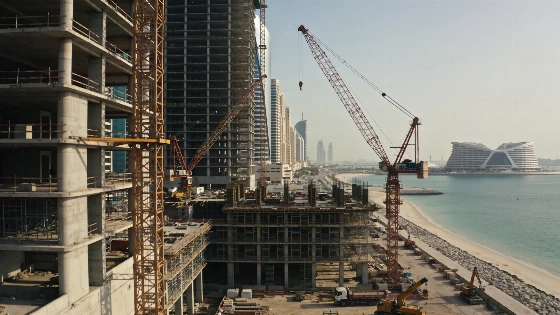
Mubadala and Tarf may join forces to build a huge mixed-use project on Al Reem Island. The plan, covering up to 5.4 million square feet, is still under review after a new memorandum of understanding.
Big changes could be coming to Al Reem Island. Mubadala and Tarf, part of Yas Holding, have signed a memorandum of understanding to look at building a major waterfront complex. The idea is still on the table. If it moves forward, the project could bring up to 5.4 million square feet of new mixed-use buildings to the island. Both Mubadala and the UAE state news agency WAM confirmed the plan would mix homes, offices, shops, and restaurants along the shoreline.
No final decision has landed yet. The memorandum shows both sides are serious about checking the business and housing potential of ten land plots. These plots add up to 655,000 square feet. The master plan under review would mix luxury apartments, penthouses, office space, and big retail and public areas. This style of development is now common in the region's top urban projects. It fits with the UAE's push to grow its economy beyond oil. Groups like the International Monetary Fund (IMF) and the Central Bank of the UAE track these moves for their effect on non-oil GDP and capital flows.
Key details of the proposed development
The companies say the project could include apartments from one to four bedrooms and penthouses for high-end buyers. Office space and large retail zones are also in the early plans. The goal is to build a self-contained urban spot right on the water. If the full 5.4 million square feet gets built, this would be one of the biggest projects ever considered for Al Reem Island. The Central Bank of the UAE has kept its base rate steady with the US Federal Reserve's policy. That has helped keep the dirham stable against the US dollar. This matters for foreign investors looking at big real estate deals.
The memorandum covers ten separate land parcels, together measuring 655,000 square feet. This land could become the base for the new complex, but only if studies and planning check out. There's no timeline yet for a final green light or for construction to start. The project is still in the early stages. No construction contracts have been signed. The whole plan needs regulatory review and more market analysis. This careful approach matches recent trends in UAE real estate.
Market context and measurable data
Al Reem Island has drawn a lot of real estate money in recent years. Several big projects have been announced. If Mubadala and Tarf go ahead at full scale, they would add 5.4 million square feet of new buildings to the island. The ten plots under review cover 655,000 square feet. That's a big chunk of prime waterfront land. There are no official numbers yet for costs, number of units, or when it might finish. The project is still being planned. The UAE dirham's peg to the US dollar, managed by the Central Bank of the UAE, has kept inflation in check. The latest consumer price index (CPI) numbers show moderate yearly increases, according to recent IMF and central bank bulletins.
Implications for Abu Dhabi's urban landscape
Mubadala and Tarf's talks fit a bigger pattern in the UAE. Public and private groups are teaming up to expand cities. By focusing on mixed-use projects, they want to build communities that blend homes, offices, and places to relax. The aim is to draw both locals and foreign investors. This also supports Abu Dhabi's long-term plan to grow its economy beyond oil. The Bank for International Settlements (BIS) has pointed out that big projects like this can affect local cash flow and cross-border investment, especially in places with stable currencies.
But nothing is certain yet. The project depends on detailed studies, market demand, and getting the green light from regulators. Until those pieces fall into place, it's just a proposal. Investors and residents should watch for official updates on the project's progress. For more on UAE monetary policy and oversight, see the IMF country profile for the United Arab Emirates.
Mixed-use projects like this are popping up all over the Gulf. Urban planners want to get the most out of land and build lively, walkable neighborhoods. These projects usually mix homes, offices, shops, and public spaces in one plan. Success depends on good infrastructure, transport, and community services. It also needs steady demand from people and businesses. Central banks, including the Federal Reserve and the European Central Bank, keep an eye on global real estate for its impact on financial stability and cross-border investment.