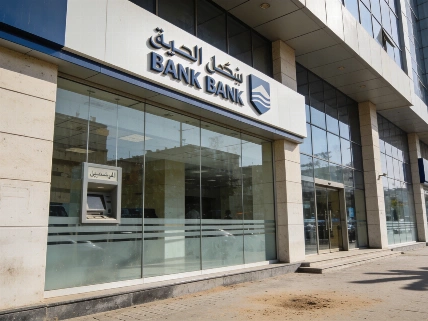

A formal legal notice has been served to Bank Audi Abu Dhabi Egypt and Al Ahly Sporting Club, demanding full disclosure of the legal and contractual basis for fees imposed on members closing their club-linked bank cards
Bank Audi Abu Dhabi Egypt is now under legal fire over fees charged to Al Ahly Sporting Club members who try to close their club-linked bank cards. The fight started after a formal notice landed on the desks of both the bank and the club's board. The demand is simple. Show the legal and contractual reasons for these charges. Egypt's banking sector is already under the microscope. The Central Bank of Egypt (CBE) has been watching how banks treat customers and how clearly they explain their fees. The Egyptian pound has swung wildly against major currencies in recent years. That's put pressure on both retail and institutional banking.
The problem centers on bank cards given to Al Ahly members during a sponsorship deal with Bank Audi Abu Dhabi Egypt. Some members recently got notices telling them to pay fees to close these cards. It didn't matter if the cards were ever activated or used. That set off a legal move led by Dr. Hussein Abdullah Mohamed El-Motaani for club member Youssef El-Oumi. He wants to know where these fees come from and how they're calculated. Neither the bank nor Al Ahly SC has made an official statement. The CBE hasn't stepped in with a ruling either. Regulatory searches confirm the dispute is still up in the air. No answers yet.
Demands for documentation and transparency
The legal notice tells Bank Audi Abu Dhabi Egypt to hand over every document tied to the disputed cards. It asks for proof that members applied for the cards, agreed to the terms, and knew about any fees. The notice also wants the bank to explain how the cards got linked to club memberships. Were the cards ever activated or used? That's a key question. Egyptian banking rules, which follow international standards from the Bank for International Settlements (BIS), say banks must clearly tell customers about all charges. They also need to get clear consent before charging any fees.
For members who say they never used or activated their cards, the demand for closure fees stings the most. The legal action says the bank and club must show all contracts and supporting documents before anything else happens. No one should pay a fee without a clear legal reason. The CBE has updated its consumer protection rules more than once. Inflation, tracked by the Consumer Price Index (CPI), has jumped around. Banks have had to rethink their fees and how they explain them to keep up with the rules and keep public trust. The pressure is real.
Club sponsorships and banking products
This mess started when Bank Audi Abu Dhabi Egypt sponsored Al Ahly Sporting Club. During that time, bank cards went out to club members. But it's still not clear if this was just a sponsorship perk or if it created a separate banking relationship. The legal notice wants to know if the cards were part of the sponsorship or if each member signed a contract with the bank. That changes everything about whether the fees are legit. There's no official press release or regulatory filing that spells out when this program started or what the terms were. That gap makes the need for transparency even sharper when it comes to co-branded financial products.
The legal notice does not admit that members owe any debt. It doesn't rule it out either. Instead, it demands full transparency from the bank and club. Members need the facts before they decide what to do next. That could mean more legal action or a complaint to regulators. In Egypt, banking fights like this can go to the national banking dispute resolution committee. The process is explained on the official regulatory portal. So far, there's no ruling in this case.
Awaiting bank response and potential outcomes
Members and their lawyers are waiting for Bank Audi Abu Dhabi Egypt and Al Ahly Sporting Club to send the documents. What happens next depends on what the bank and club do. The issue could be settled quietly. Or it could blow up into more legal or regulatory trouble. This case shows why banks and clubs need to be clear when they team up on co-branded cards. The CBE just kept its overnight deposit rate at 19.25% to fight inflation. Banks are under pressure to make sure every fee is justified and easy to understand. The rules come from the International Monetary Fund (IMF) and the BIS. No shortcuts allowed.
Other Egyptian banks have tried to blend banking into daily club and community life, as reported earlier. But this dispute shows what can go wrong when the line between a promotion and a real banking deal gets blurry. The timing matters. Egypt's foreign exchange market has been wild. The EGP has dropped more than 50% against the US dollar since early 2022. The CBE and commercial banks have had to rethink risk and how they talk to customers.
No one has said how many members are affected or what the exact fees are. The legal notice's demand for documents is a big step. It will show if the fees are based on clear contracts or if they were added without proper consent. The outcome could set the rules for future bank-club partnerships in Egypt and maybe beyond. Regulators are watching. Consumer protection is now front and center as Egypt's financial sector keeps changing fast.
Understanding card closure fees in club partnerships
When banks give out cards as part of a club or community deal, what members owe depends on the contract. If a card comes automatically with club membership, members might not know the terms or possible fees-especially if they never use the card. Banks must spell out every term, including closure fees, to avoid fights like this. Regulators in many countries say banks must get clear consent and give full paperwork for any charges, especially when the product is part of a promotion or sponsorship. The Central Bank of Egypt, following advice from the Bank for International Settlements, keeps pushing for strong consumer protection as Egypt's banks deal with currency swings and inflation. The rules are getting tighter. The message is clear.