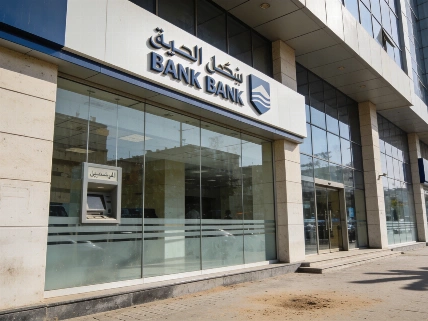
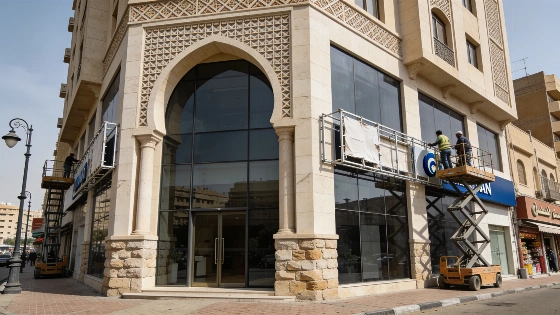
HSBC has agreed to sell its entire Egyptian retail banking business to Emirates NBD Egypt, with the transaction expected to close in the second half of 2027 pending regulatory approval. Customers and staff face no immediate changes as the transition begins.
HSBC is stepping away from Egypt's retail banking market. Emirates NBD Egypt will take over all retail assets, liabilities, and staff. This transfer, announced by HSBC Holdings, still needs regulatory approval. The Central Bank of Egypt (CBE) will oversee the process. The Egyptian pound (EGP) has been unstable in recent years. The CBE has responded with several rate hikes to fight inflation and steady the currency. Details are available from the Monetary Policy Committee.
For now, nothing changes for customers. HSBC says all products and services will keep running as usual. Accounts, loans, and deposits stay the same. Employees who support the retail business are expected to move to Emirates NBD Egypt. The goal is a smooth handover. No one wants disruption for staff or clients. The CBE will keep watch to make sure consumer protections and anti-money laundering rules stay in place. These standards follow international guidelines from the Bank for International Settlements (BIS).
Strategic rationale and financial details
HSBC expects to make about $0.3 billion in pre-tax profit from the sale. Most of this will show up when the deal closes. The group does not expect a big change to its core tier 1 capital ratio. This move is part of HSBC's plan to simplify its business. Last year, HSBC started reviewing its Egyptian retail operations. The bank decided to focus on markets where it has a clear edge and more room to grow. This exit fits with HSBC's recent pullback from other retail markets, including Australia. Reuters and The Asian Banker have reported on these moves.
Emirates NBD Egypt already has a strong presence in the country. This deal will help it grow even more. Emirates NBD is mostly owned by the Investment Corporation of Dubai. That makes it a state-linked bank with deep resources and regional reach, according to Reuters company data. The deal should close in the second half of 2027 if regulators approve. Until then, both banks say they will work together for a smooth transition. No sudden moves.
Market impact and sector context
Egypt's banking sector is changing. Foreign and regional banks are rethinking their local strategies. The handover from HSBC to Emirates NBD Egypt is part of a bigger trend. International banks are consolidating and shifting their focus in the region. As reported earlier, Emirates NBD Egypt has been working to make its services part of daily life. The bank wants to build loyalty through practical engagement, not just ads.
HSBC says the deal covers all retail banking in Egypt. That means every loan, deposit, and customer account. Employees who support these services will also move. HSBC expects a $0.3 billion pre-tax gain from the exit. The group says its capital ratios will not change much. The long timeline-until the second half of 2027-gives time for regulatory checks and planning. This should keep things steady for customers and staff. The CBE has raised rates by a total of 1,100 basis points since early 2022. The aim is to control inflation and support the EGP. These moves matter for both local and foreign banks in Egypt.
Understanding retail banking exits
When a global bank leaves a retail market, it usually hands over customer relationships, account data, and systems to the new owner. Regulators must approve the deal. They check that consumer protections, anti-money laundering rules, and financial stability are kept up. Customers are told in advance about any changes to their accounts or service providers. Staff are often offered jobs with the new bank. This helps keep service running smoothly. These exits often follow a strategic review. Banks weigh profits, market share, and growth prospects against the cost and complexity of operating in many countries. The International Monetary Fund (IMF) has pointed out that strong regulatory frameworks are key in emerging markets like Egypt. They help make sure these transitions go smoothly and keep the financial system stable.