
Ingenico, a leading French payment technology provider, has raised €150 million to overhaul its capital structure, invest in new products, expand its team, and accelerate international growth in key markets.
Ingenico, one of France's most established payment technology firms, has announced a €150 million capital injection aimed at strengthening its financial position and supporting a new phase of international expansion. The investment, led by Pimco with additional backing from undisclosed investors, marks the company's first major funding round since Floris de Kort became CEO in November 2025. Ingenico's leadership has signaled that the new capital will be used to accelerate product development, expand its workforce, and establish a broader presence in global markets.
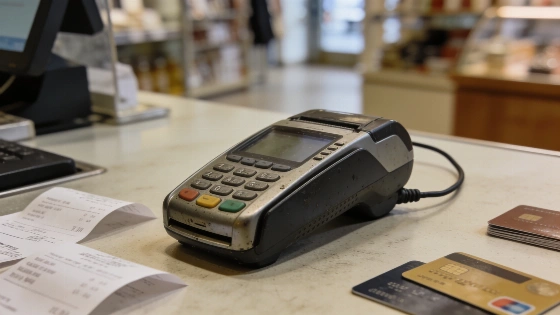
The company's renewed strategy includes hiring additional account managers, solutions engineers, and customer support managers, with new roles planned for London, San Francisco, and Istanbul. Ingenico's core business centers on providing merchants with point-of-sale (POS) solutions, notably through its Axium suite of Android-based payment terminals. These devices are supported by Ingenico 360, a cloud-based management platform that enables merchants to monitor transactions, manage applications, and access analytics in real time.
Capital Restructuring and International Growth
According to Ingenico, the capital restructuring is designed to provide a more stable financial foundation as the company pursues growth in both established and emerging markets. The firm's expansion plans reflect a broader trend among payment technology providers seeking to adapt to evolving merchant needs and regulatory environments. Ingenico's focus on international hiring and product innovation is intended to position the company competitively as digital payments continue to gain ground worldwide.
Since its founding in 1980, Ingenico has undergone significant changes in ownership and strategy. The company was acquired by Worldline in 2020 for $8.6 billion, then sold to Apollo Global Management in 2022. Following the 2022 transaction, Ingenico re-emerged as an independent entity and has since acquired Phos, a fintech specializing in smartphone-based payment acceptance, further diversifying its product offering.
Industry Context and Competitive Landscape
The payment technology sector has seen rapid transformation in recent years, with increased demand for flexible, secure, and scalable solutions. Ingenico's latest funding round comes as merchants worldwide seek to modernize their payment infrastructure and adapt to new consumer preferences. The company's expansion into cities such as London, San Francisco, and Istanbul reflects a strategic effort to tap into diverse markets and respond to local regulatory requirements.
For context, the global payments industry has experienced a surge in investment and innovation, with firms like Ingenico competing alongside both established players and new entrants. In a related development, India's Small Industries Development Bank recently expanded its use of MonetaGo's Secure Financing system to combat invoice fraud and improve credit access for small businesses, as detailed in this report on digital payment security initiatives. Such moves highlight the growing importance of robust payment infrastructure and risk management across markets.
Key Figures and Market Data
Ingenico's €150 million investment is its largest capital raise since becoming independent in 2022. The company's previous acquisition by Worldline in 2020 was valued at $8.6 billion, underscoring Ingenico's longstanding role in the payments sector. The firm's expansion into new markets is expected to increase its merchant base and transaction volumes, though specific forecasts have not been disclosed. Industry data indicates that global POS terminal shipments exceeded 150 million units in 2025, reflecting strong demand for advanced payment solutions.
Ingenico's approach to capital restructuring and international hiring illustrates the challenges and opportunities facing payment technology providers in a rapidly evolving landscape. As digital payments become more central to commerce, companies must balance innovation, regulatory compliance, and operational resilience to remain competitive.
Point-of-sale (POS) systems are a critical component of modern payment infrastructure, enabling merchants to accept a wide range of payment methods, including cards, mobile wallets, and contactless transactions. The evolution of POS technology has been driven by advances in hardware, software, and cloud-based management tools, allowing for greater flexibility and integration with other business systems. As regulatory requirements and consumer expectations continue to shift, payment providers like Ingenico must adapt their offerings to ensure security, reliability, and ease of use across different markets.