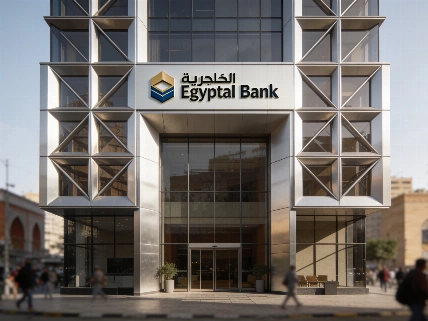
Industrial Development Bank has rolled out new savings certificates and deposit products, giving customers more ways to invest and earn in a shifting financial market.
Industrial Development Bank (IDB) has added new savings certificates and deposit accounts to its lineup. The bank wants customers to have more control over how they save and invest. These new products come as banks in Egypt fight harder for deposits and savers look for better returns.
The new options break away from the old one-size-fits-all approach. Now, customers can pick from several certificates and deposit terms. Each comes with its own features. Some are built for quick access to cash. Others are for those who want to lock in money for longer and aim for higher returns. The bank says these products help people match their savings to their own plans. No two customers are the same. That is the point.
Product features and customer choices
IDB says its expanded range is meant to fit the different needs of its customers. The bank has not released exact rates or terms yet. It does say the returns are competitive and the features are tailored to different saving styles. Customers should look closely at each certificate and deposit option. The right choice depends on their own goals.
Anyone who wants more details can call the bank's hotline at 19320. The bank is pushing for direct contact and personal service. No generic offers here. Customers get answers straight from the source.
Market context and practical implications
Competition for deposits in Egypt is fierce. Savers want higher returns as the economy shifts. Banks have answered by rolling out new certificates and deposit accounts with different terms and rates. IDB's move fits this trend. The bank wants to attract both new and loyal customers by offering more choice. According to Currency Information, deposit rates in Egypt can reach up to 19.25% for large sums in Egyptian pounds. Banks are fighting for liquidity in a high-inflation market. The race is on.
IDB has not shared its own rates or minimum deposit amounts. Across the market, these details matter most to customers. The best rates often require at least EGP 5,000 to start. Some products need up to EGP 10 million. Payouts can be monthly or yearly. The Central Bank of Egypt's monetary policy shapes these terms. When the central bank changes its policy rate, banks react. They adjust their own rates to stay competitive. Both banks and savers watch these moves closely.
Recent data shows Egyptian banks keep tweaking their deposit and certificate offers as policy rates shift. The Central Bank's decisions set the tone for what banks can offer. Customers looking at new certificates or deposits should compare more than just the headline rate. Flexibility, withdrawal rules, and fees all matter. The International Monetary Fund (IMF) has pointed out that strong deposit strategies are key for emerging markets under inflation pressure. The stakes are high.
Understanding certificates and deposits
Savings certificates and deposit accounts are staples in Egypt's retail banking. A savings certificate usually gives a fixed return for a set time. The money stays locked until the end. Deposit accounts are more flexible but often pay less. The choice depends on how much access a customer needs, their risk comfort, and what returns they want. The Central Bank of Egypt posts regular updates on policy rates and liquidity. These are must-reads for banks and customers. For more on policy and rules, see the Central Bank of Egypt.
IDB's push to widen its product range matches a bigger trend. Egyptian banks are working to meet more demanding customer tastes. People want clear info and good terms. The bank's hotline invitation shows it wants to be open and helpful. But with no published rates, customers need to do their homework and compare options themselves.
Certificates of deposit and savings accounts matter for personal finance, especially when inflation and rates move fast. In Egypt, the Central Bank's policy rate is the main benchmark. When it rises, banks may boost rates on new products to keep savers interested. But the fine print-early withdrawal penalties, minimum deposits-can differ a lot between banks. The Bank for International Settlements (BIS) and the IMF track these trends as part of their global financial checks.
For savers, the main choice is clear. Lock in a higher rate for a fixed term, or keep access to cash and settle for less interest. Certificates pay more but tie up funds. Deposit accounts are flexible but may pay less. Knowing the difference is key. The market keeps moving.