

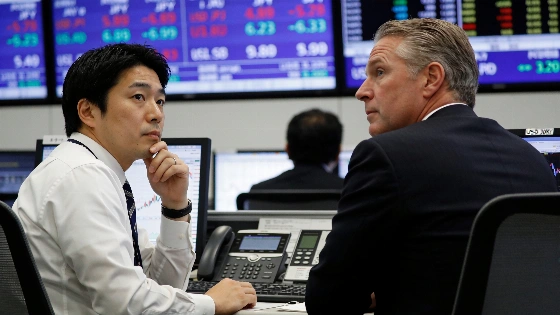
A rate check occurs when monetary authorities request tradable exchange rates from banks without executing a transaction, signaling close monitoring and possible intervention. This tactic can influence currency markets and deter speculation without immediate financial action
When monetary authorities suspect that a currency is moving too rapidly or straying from desired levels, they have several tools to influence the market. One of the least understood is the "rate check"-a step that signals official concern but stops short of direct intervention. In a rate check, a central bank or government authority contacts financial institutions to request an indicative or tradable exchange rate for a specific currency pair. After receiving the quote, the authority typically declines to transact, but the request itself is enough to alert market participants that officials are watching closely and may be preparing to act.
This approach sits between verbal intervention-where officials attempt to sway markets through public statements-and direct intervention, which involves buying or selling currency using government funds. Rate checks are designed to send a warning to traders and speculators that authorities are present in the market, potentially deterring aggressive bets against the currency. By making their presence felt without committing resources, policymakers can influence expectations and market behavior while retaining flexibility over whether to intervene directly.
Japan has a long history of using rate checks as a prelude to intervention in the Japanese yen. The United States adopted this tactic for the first time in January 2026, when the Federal Reserve Bank of New York conducted a rate check on behalf of the U.S. Treasury. This move was widely interpreted as a sign that Washington shared Tokyo's concerns about the yen's weakness against the U.S. dollar. According to Bank of America strategists, the New York Fed reportedly carried out another USD/JPY rate check last week after Japanese authorities intervened to support the yen. The USD/JPY exchange rate initially fell by about 0.8% following the reported check, but soon returned to previous levels. As of the report's publication, there was no confirmation of an actual U.S. market transaction.
In a more unusual development, a second rate check involving the euro and the yen (EUR/JPY) was reported. Since currency intervention typically involves an authority's own domestic currency, this raised questions about the rationale for signaling possible action in the euro. Repeated use of rate checks can reduce their effectiveness if markets begin to doubt that real intervention will follow. Over time, traders may become accustomed to the tactic, diminishing its impact on exchange rates and speculative positioning.
Recent market data highlights the sensitivity of the USD/JPY pair to intervention signals. In early May 2026, following reports of a U.S. rate check, the USD/JPY spot rate dropped from around 160.2 to 158.9-a decline of approximately 0.8%-before rebounding to previous levels within hours. No official confirmation of a U.S. intervention was provided, and the move was attributed to market speculation rather than direct action. Analysts note that without further policy steps, the USD/JPY rate could return to the mid-160s. However, a government-driven move below 155 could trigger a larger market reaction, forcing investors to unwind short-yen positions and prompting Japanese exporters to adjust their currency hedges.
Rate checks are a subtle but important part of the currency intervention toolkit. Unlike direct intervention, they do not require the use of reserves or immediate financial commitment. Instead, they rely on signaling and the psychology of market participants. The effectiveness of a rate check depends on the credibility of the authority and the perceived likelihood of follow-up action. If traders believe that intervention is imminent, a rate check can move markets even in the absence of actual transactions. But if authorities overuse the tactic without acting, its power to influence expectations may fade.
Central banks and finance ministries must weigh the risks and benefits of each intervention tool. Rate checks offer a way to test market reactions and communicate official concern without locking in a policy decision. They can buy time for policymakers to assess conditions or coordinate with other authorities. However, the line between effective signaling and empty threat is thin. In highly liquid and closely watched currency pairs like USD/JPY, even small signals can have outsized effects-at least until the market adapts.
Understanding the distinction between verbal intervention, rate checks, and direct intervention is crucial for interpreting official actions in currency markets. Verbal intervention relies solely on statements to influence expectations, while rate checks introduce an element of operational readiness without actual trades. Direct intervention, by contrast, involves real transactions that can immediately affect supply and demand. Each tool carries different risks, costs, and implications for credibility. The choice of tactic reflects not only market conditions but also the authority's willingness to commit resources and accept potential consequences.