
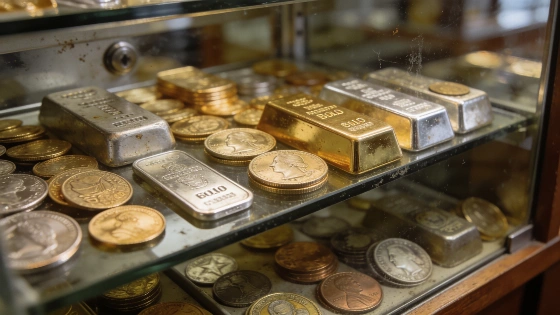
Houston-based dealers specializing in gold, silver, and rare coins are influencing how collections, estate inventories, and precious metals are valued and traded in the United States. Their practices affect both collectors and businesses seeking liquidity.
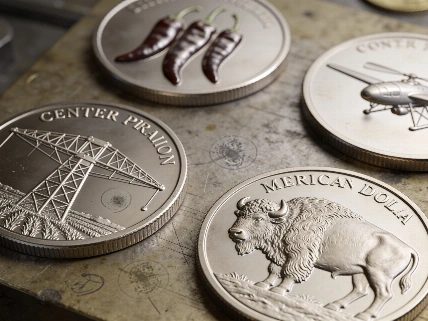
In the United States, the market for gold and silver bullion, rare coins, and collectible items is shaped by a network of specialized dealers who serve both individual collectors and businesses. In the Houston area, companies such as Diamond Strategic Metals and Collectibles of Texas have developed a business model focused on buying and selling precious metals, vintage and certified U.S. coins, estate jewelry, and large collections. These dealers also offer services for business and estate liquidations, providing a channel for converting physical assets into cash.
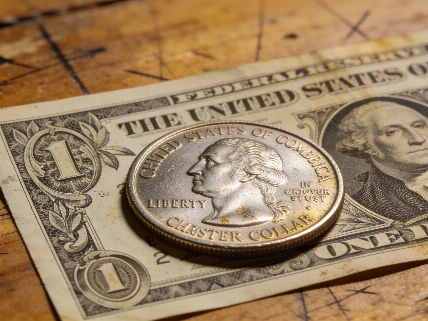
Dealers in this sector typically operate by appointment, emphasizing discretion and personalized service. They maintain current buy lists that reflect market demand and spot prices for gold and silver, which can fluctuate daily based on global commodity markets. For sellers, this means that the value offered for coins, bullion, or jewelry is closely tied to both the intrinsic metal content and the collectible or historical value of the items. Dealers often pay a premium for U.S. coins that are rare, certified, or in exceptional condition, as well as for vintage estate jewelry with documented provenance.
According to industry data, the U.S. gold and silver bullion market remains one of the largest globally, with retail demand for American Eagle gold and silver coins reaching over 25 million ounces in 2025, based on U.S. Mint figures. The secondary market for rare coins and collectibles is also significant, with auction sales and private transactions regularly exceeding hundreds of millions of dollars annually. Dealers in major metropolitan areas like Houston play a key role in facilitating these transactions, providing liquidity for estates and businesses while helping collectors source specific items.
For businesses and estates seeking to liquidate inventory or collections, working with a reputable dealer can streamline the process and ensure compliance with relevant regulations. Dealers may offer appraisals, inventory buyouts, and assistance with documentation required for large transactions. However, sellers should be aware that offers can vary depending on the dealer's expertise, current market conditions, and the specific characteristics of the items being sold. It is common practice to seek multiple appraisals or offers before finalizing a sale, especially for high-value collections or rare pieces.
Collectors and investors interested in purchasing bullion or rare coins should also consider factors such as authenticity, certification, and storage. Reputable dealers typically provide guarantees of authenticity and may offer certified coins graded by recognized third-party services. Buyers should verify the dealer's credentials and review recent market prices to ensure fair value. In addition, secure storage options-either through the dealer or independent vault services-can help protect valuable assets from loss or theft.
While the Houston area is home to several established dealers, the broader U.S. market for precious metals and collectibles is highly competitive and subject to regulatory oversight. Dealers must comply with anti-money laundering regulations and reporting requirements for large cash transactions. Both buyers and sellers are advised to maintain clear records of all transactions for tax and legal purposes.
The role of specialized dealers extends beyond simple buying and selling. Many also participate in regional and national coin shows, such as those promoted by TexasBigEShows.com, where collectors and dealers gather to trade, appraise, and showcase rare items. These events contribute to price discovery and help set benchmarks for the value of coins and bullion in the wider market.
Understanding the dynamics of the U.S. bullion and collectibles market requires attention to both global commodity trends and local dealer practices. While gold and silver prices are influenced by international factors such as central bank policy, inflation, and geopolitical risk, the value of rare coins and collectibles is often determined by scarcity, condition, and collector demand. Dealers serve as intermediaries who bridge these worlds, providing expertise and liquidity for a diverse range of clients.
Dealers specializing in precious metals and collectibles must navigate a complex regulatory environment. In the United States, transactions involving large amounts of cash or precious metals may trigger reporting requirements under the Bank Secrecy Act. Dealers are required to implement anti-money laundering programs and verify the identity of clients for certain transactions. These measures are designed to prevent illicit activity and ensure transparency in the market. For both buyers and sellers, understanding these rules is essential to avoid compliance issues and to ensure that transactions proceed smoothly.