The American Numismatic Association and the American Numismatic Society play distinct roles in US coin collecting and scholarship. Here's how their missions, membership, and locations affect collectors, researchers, and the future of numismatics.
Recent moves by several US states to recognize gold and silver-including certain coins-as legal tender have reignited debate about the practical use of precious metals in everyday payments. While these laws technically allow gold and silver coins to be used for settling debts, in practice, few people are likely to spend modern bullion coins such as the $10 American Eagle at face value in shops. Instead, some pilot programs now let users deposit gold and spend its value via debit-style cards, with transactions pegged to the current market price of gold. These initiatives remain limited in scope and have not yet changed the way most Americans use money day-to-day.
For those interested in the world of coins and currency, two major US organizations stand out: the American Numismatic Association (ANA) and the American Numismatic Society (ANS). Both are open to the public and do not require professional credentials for membership. Collectors and researchers can join either or both, depending on their interests and goals.
Comparing ANA and ANS
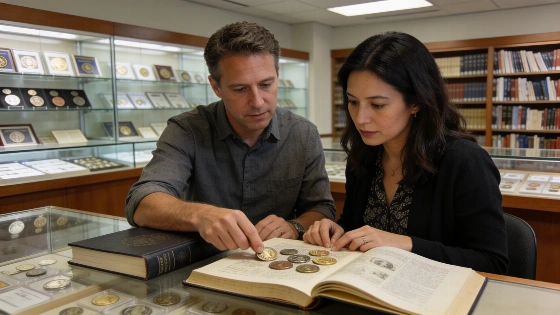
The ANA, founded in 1891 and based in Colorado Springs, Colorado, is primarily a collector-focused organization. Its membership includes both individuals and coin clubs, and it offers a range of services for hobbyists, including educational programs, conventions, and the world's largest circulating numismatic lending library. The ANA's headquarters, established next to Colorado College in 1967, also houses a museum and provides administrative space for its many activities.
In contrast, the ANS, established in 1858 in New York City, has a mission centered on numismatic scholarship and research. The Society is currently preparing to relocate from New York to Toledo, Ohio, after having changed locations within New York three times in the past 25 years. The move is intended to provide more space for exhibition galleries, a lecture hall, an expanded library, and educational facilities. The ANS hopes the new location will attract more visitors and allow for broader public engagement with its collections and research output.
Publications and Resources
The ANA publishes a monthly magazine, The Numismatist, which covers a wide range of topics for collectors. The ANS, meanwhile, issues ANS Magazine quarterly, focusing on scholarly articles and high-quality illustrations. It also publishes the annual American Journal of Numismatics and offers members access to The Journal of Early American Numismatics. The long-running Numismatic Notes and Monographs series explores coinage and currency from ancient to modern times. ANS members receive discounts on new publications as they are released.
Facts and Data
According to the American Numismatic Association, its library contains over 128,000 items, making it the largest circulating numismatic library in the world as of 2026. The American Numismatic Society's collection includes more than 800,000 objects, ranging from ancient coins to modern medals, and its publications are recognized internationally for their academic rigor.
Membership and Access
Both organizations welcome members from around the world, regardless of experience level. The ANA's focus on collectors means its events and resources are tailored to hobbyists, while the ANS's emphasis on research attracts academics and those interested in the historical and cultural context of money. Membership in either group provides access to specialized libraries, publications, and educational opportunities, but the nature of these benefits differs according to each organization's mission.
For collectors, researchers, and anyone interested in the history and use of money, understanding the distinction between the ANA and ANS can help in choosing the right resources and networks. As the ANS prepares its move to Ohio and states experiment with new legal-tender laws for precious metals, the landscape of US numismatics continues to evolve.
The distinction between legal tender and practical acceptance is central to understanding how coins and precious metals function in the US monetary system. Legal tender refers to money that must be accepted if offered in payment of a debt, but it does not guarantee that merchants will accept it for everyday transactions. For example, while certain gold and silver coins may be legal tender by law, their market value often far exceeds their face value, making them impractical for routine purchases. This gap between legal status and real-world use highlights the difference between monetary policy and payment behavior-a distinction that also shapes the missions of organizations like the ANA and ANS.