
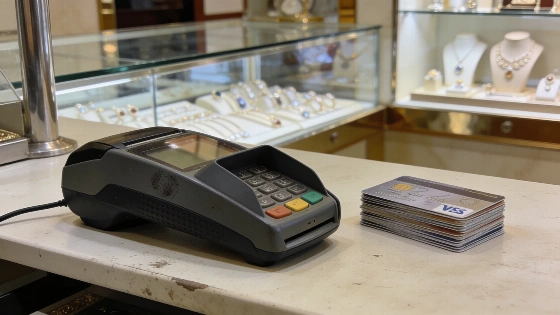
Emirates NBD Egypt is pushing new Mastercard discounts: up to EGP 3,000 off at Mazaya, 10 percent off at Rush Brush, and up to 30 percent off select diamond pieces at The Diamond Zone.
Emirates NBD Egypt Mastercard holders are now seeing a fresh wave of retail discounts, as the bank teams up with The Diamond Zone, Mazaya, and Rush Brush. The headline numbers promise up to 30 percent off on certain purchases, with the deals running through the end of 2026. These savings apply at checkout, whether customers buy in-store or online. Still, there is no independent confirmation from the retailers or the bank about these specific campaigns. Search results only turn up references to other Emirates NBD Egypt products and unrelated events, not these promotions.
The campaign uses a tiered approach. Discount size depends on both card type and purchase value. At Mazaya, eligible credit cardholders can get up to EGP 3,000 off, but only if they hit minimum spend levels that change by card. Platinum cardholders see EGP 1,000 off with a minimum EGP 4,000 spend. World Elite and World Debit cardholders can unlock the full EGP 3,000 discount if they spend at least EGP 10,000. Each customer can use the Mazaya offer once during the campaign. These discount caps and redemption rules have not been backed by official documents or third-party sources, so treat them as unverified for now.
Rush Brush shoppers using Emirates NBD Egypt debit or credit cards get a flat 10 percent off on all products, both in-store and online. For online purchases, the code ENBDRB15 must be entered at checkout. The Diamond Zone is offering up to 30 percent off on select diamond jewelry, but the rate depends on the collection: 30 percent off older diamond lines, 25 percent off new collections, and 5 percent off large-stone pieces. Gold items and loose stones are not included. Cardholders must show their eligible card at purchase to get the deal. As with Mazaya, there is no official confirmation of the minimum spend, promo code, or campaign end date from independent sources.
All three offers are set to run until 31 December 2026, with each retailer applying its own terms. The bank's move fits a wider pattern among Egyptian banks, who are using merchant partnerships to push card usage and keep customers engaged. Emirates NBD Egypt has already expanded its VIP Privilege program to business clients in the UAE, as previously reported, showing a regional push for value-added banking. The Central Bank of Egypt has kept a close eye on electronic payments and card acceptance, especially as the Egyptian pound has swung in value, with the official rate shifting in response to inflation and foreign currency shortages, as recent IMF country reports note.
The Mazaya offer breaks down into three tiers: EGP 1,000 off for Platinum cards with a minimum EGP 4,000 spend, EGP 2,000 off for World cards with a minimum EGP 6,000 spend, and EGP 3,000 off for World Elite and World Debit cards with a minimum EGP 10,000 spend. Rush Brush gives a straight 10 percent off, while The Diamond Zone discounts are 30 percent on old diamond collections, 25 percent on new, and 5 percent on large-stone pieces. All deals run until 31 December 2026 and follow each retailer's terms. None of these figures have been independently verified by the Central Bank of Egypt or through official Emirates NBD Egypt releases. Mastercard and the retailers have not issued public statements about these campaigns in available search results.
For cardholders, these deals open a window to cut costs on big-ticket buys, especially in jewelry and personal care, where discounts are rare. Mazaya's structure favors higher spenders and premium cardholders. Rush Brush and Diamond Zone deals offer savings to a wider group. For retailers, working with Emirates NBD Egypt could bring in extra sales and attract shoppers looking for value through their payment choices. The Central Bank of Egypt has supported merchant-funded incentives as part of its push for digital payments and less cash use, a stance echoed by the IMF in its advice for Egypt's financial sector.
These campaigns show how Egypt's payment scene is shifting. Banks are leaning on merchant alliances to set their cards apart. The focus on both in-store and online channels matches changing shopping habits and the rise of digital payments in Egypt. The Central Bank of Egypt reports a sharp rise in electronic transaction volumes, with more payment cards issued and acceptance infrastructure growing fast over the past five years.
Card-linked offers like these are one way banks try to boost electronic payments and cut cash use. By tying discounts to card type and spend, banks can segment customers and push higher-value transactions. For consumers, knowing the eligibility and redemption process is key, since each offer comes with its own rules and limits.
In Egypt's payment system, these moves highlight the pressure on banks to keep and grow their customer base. The dynamic between card issuers, merchants, and shoppers is changing how value is delivered in retail payments, with direct effects on spending patterns and merchant loyalty programs. The Central Bank of Egypt, along with global regulators like the Bank for International Settlements, continues to track how these incentives affect payment system stability and consumer protection.
Cardholder discounts are a type of merchant-funded incentive that can shape both when and how much people spend. Unlike cashback or points, these deals give instant savings at checkout, which appeals to buyers of expensive items. The success of these campaigns depends on clear terms, smooth redemption, and whether shoppers see real value in the discount. Egypt's monetary authorities are still adjusting policy rates and managing exchange rate expectations, while digital payments and card-based incentives remain central to the country's financial modernization efforts.