
Egypt's biggest banks now offer home renovation loans with limits up to 15 million pounds. Borrowers face strict rules and different repayment terms as lenders react to soaring construction costs.
Renovating a home in Egypt has become a costly challenge. Prices for building materials keep climbing. Many property owners can't pay for upgrades out of pocket. Banks have stepped in with new renovation and finishing loans. Some now offer up to 15 million Egyptian pounds. That's a big jump. The Central Bank of Egypt (CBE) has backed this push. Its mortgage finance initiative has helped 254,200 people get EGP 24.6 billion in loans through 20 banks. The appetite for property-linked credit is strong. It goes far beyond standard mortgages. Details are available from Daily News Egypt.
For many Egyptians, finishing or fixing up a home is now a major financial hurdle. Banks are fighting for these customers. But each lender sets its own rules. Terms and eligibility can be very different. Picking the right loan is not simple. Competition is heating up. UAE-linked banks like Abu Dhabi Commercial Bank - Egypt are expanding their consumer lending. Cross-border banking is growing in Egypt. This is confirmed by previous coverage and FirstBank data.
Loan limits and repayment terms
There's no single formula. Abu Dhabi First Bank leads with a 15 million pound ceiling. It covers up to 40% of the property's value. Repayment can stretch to 15 years. Applicants must be at least 25. The bank offers flexible down payments.
Faisal Islamic Bank takes another route. It caps renovation loans at 500,000 pounds. For building materials, the limit is 1 million pounds. The bank will finance up to 90% of the cost. Repayment can last up to 10 years. Borrowers need a minimum monthly income of 3,000 pounds and must be at least 21. There's a one-time administrative fee of 0.5%. The bank may also finance rented properties under certain conditions.
Al Baraka Bank Egypt offers up to 750,000 pounds for home finishing. A 20% down payment is required. Repayment can last up to six years. The debt burden can't exceed 50% of net income. Loans follow Islamic finance rules. Employees can apply from age 21 to 60. Self-employed applicants are eligible up to 65.
QNB Egypt targets both employees and the self-employed. Renovation and furnishing loans go up to 250,000 pounds. There's no upper limit for customers who transfer their salaries to the bank. The program includes free life insurance for the loan's duration. Repayment is in fixed monthly installments, up to 84 months. The eligible age range starts at 21 and goes up to 60 or 65, depending on retirement age.
Eligibility and documentation
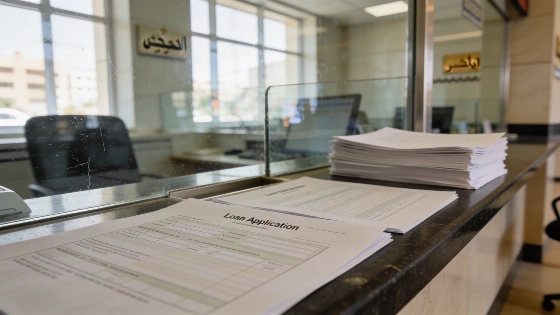
Each bank has its own paperwork rules. All require proof of identity, income, and property documents. The details depend on the lender's policies and the property type. Administrative fees, down payments, and debt-to-income ratios also vary. Some major banks offer loans tied to deposit products. For example, NBE and Banque Misr dollar certificates let holders borrow up to 50% of the certificate's value. These loans are capped at EGP 10 million and priced at 2.25 percentage points below the CBE's main rate. More details are on Ahram Online. This shows how CBE policy shapes lending rates and product design.
These programs are not isolated. Banks are now targeting high-value borrowers with flexible repayment and insurance. The International Monetary Fund (IMF) says strong credit growth helps Egypt's economy stay resilient during currency swings and inflation.
Key figures and market impact
The top loan ceiling among these banks is 15 million pounds. Repayment periods range from six to fifteen years. Down payments start at 20%. The share of the property's value that can be financed runs from 40% to 90%, depending on the bank and the work. Minimum income and age rules are strict. Administrative fees are usually a one-off percentage of the loan. Recent data shows Egyptian developers have secured EGP 52.2 billion in bank facilities. Real-estate credit is expanding. Banks are taking on more property-linked risk. See Ahram Online for more.
For property owners, these loans can be a lifeline. Construction and renovation costs keep rising. But the terms are all over the map. Borrowers need to check every offer. Look at the total cost, repayment options, and eligibility before signing. The Bank for International Settlements (BIS) notes that targeted lending can help households cope with inflation, especially in countries where the currency is losing value.
Understanding home renovation loans
Home renovation loans in Egypt fill the gap between what owners want and what they can afford. These loans are not like standard mortgages. They're often tied to the cost of specific works or materials. Banks look at both the borrower's income and the property's value. Some lenders, especially those using Islamic finance, structure the loan as a purchase and resale deal instead of charging interest. Administrative fees, insurance, and paperwork can add to the cost. Applicants should read all terms closely. CBE policy changes and new regulations keep shaping these products. At the end of June 2026, total corporate loans across 25 Egyptian banks hit EGP 8.28 trillion. That's up 13.7% from the year before, according to FirstBank. For the latest on monetary policy, check the CBE monetary policy page.