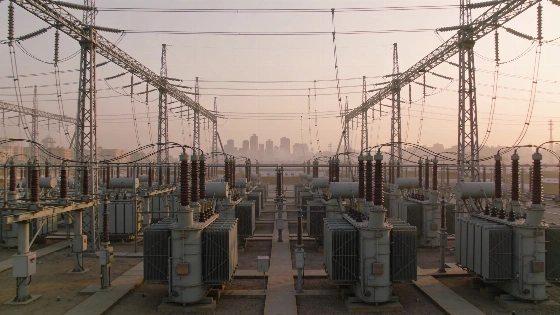
Egypt's electricity sector owes nearly 400 billion Egyptian pounds to the petroleum sector. The Ministry of Electricity is now weighing a new pricing structure to raise revenue and keep up with fuel costs.
Every month, Egypt's Ministry of Electricity wires about 23 billion Egyptian pounds to the petroleum sector just to keep the lights on. That bill covers the natural gas needed for power generation, and it keeps climbing as demand rises and fuel prices refuse to ease. The sector's debt to the petroleum side now sits between 388 and 400 billion Egyptian pounds, a figure that has forced the ministry to rethink how it charges for electricity. Minister Mahmoud Esmat has set a two-year window to clear these arrears, but that plan depends on fresh financing and tight coordination with the Ministry of Finance. The ministerial statement laid out the target, but the operational details remain thin.
In 2024, the government earmarked 90 billion Egyptian pounds for the electricity ministry, then added another 7 billion. Even with that boost, the sector's needs outpaced the budget. The ministry has already lined up a 100 billion Egyptian pound loan to chip away at the debt, with repayment to be offset against receivables from the Ministry of Finance. The cost of imported and local fuel keeps pressure on the system, and the monthly outflow to the petroleum sector has become a sticking point. Al-Ahram Weekly reported that these financial strains have left the sector searching for new revenue streams.
The ministry is now eyeing a redesign of electricity consumption brackets, or tariff bands. If approved, this could bring in an extra 17 billion Egyptian pounds each year. The Central Bank of Egypt is watching closely, since persistent deficits in the energy sector can drain foreign exchange reserves and put more pressure on the Egyptian pound. When domestic gas production falls short, the country has to import fuel, exposing the sector to global price swings and currency risk.
For households and businesses, any change to the pricing structure could mean steeper bills, especially for those using more power. The ministry hasn't released a timeline or specifics, but the urgency is clear. Inflation is already squeezing many Egyptians, and the government faces a balancing act between fiscal stability and public tolerance for higher costs. The International Monetary Fund has repeatedly called for subsidy reform and cost-reflective pricing as part of Egypt's broader economic overhaul.
Recent data puts the ministry's monthly fuel payments at about 23 billion Egyptian pounds, with total debt to the petroleum sector hovering near 400 billion. If the new tariff bands go through, the ministry expects to pull in 17 billion more each year. The last major tariff hike came in August 2024: household rates jumped by 14 to 40 percent, commercial rates by 23.5 to 46 percent, and industrial rates by 21.2 to 31 percent. The government then froze further increases in September 2025 to shield consumers from more inflation.
Natural gas remains the backbone of Egypt's electricity supply, but its price is tied to both local output and international markets. The state has to juggle the need for reliable power with the risk of fuel price spikes and the constant demand for infrastructure upgrades. In the summer of 2024, blackouts hit not because of a lack of generation capacity-installed capacity stood at 50 GW-but because fuel ran short. The government spent about $2.5 billion on imported fuel to keep stations running, draining foreign currency reserves and adding to the external deficit.
Changing electricity tariffs in Egypt is never just a technical exercise. The system uses consumption brackets, charging higher rates for bigger users. Any move to raise tariffs or shift the brackets will need careful messaging and, likely, targeted support for those most exposed to higher bills. The Central Bank's monetary policy committee tracks inflation and exchange rates, knowing that energy price hikes can feed directly into headline inflation and ripple through the economy.
The ministry's push to collect more revenue and cut debt is now central to the sector's survival. Without enough cash to cover fuel and operations, the risk of outages or deeper financial trouble grows. By publicly acknowledging the scale of the debt and the need for reform, the government signals that the old model can't hold. The IMF and other lenders have made clear that transparent tariffs and fiscal discipline are key to keeping investor confidence and currency stability intact.
Electricity pricing in Egypt runs on a system of tariff bands, with rates set by how much power a user consumes. The idea is to encourage efficiency and make sure heavy users pay more. But when fuel costs spike or revenue falls short, the brackets have to shift. Redesigning tariffs usually means public consultation, regulatory review, and sometimes a phased rollout so consumers and businesses can adjust. For more on monetary policy and oversight, see the Central Bank of Egypt.