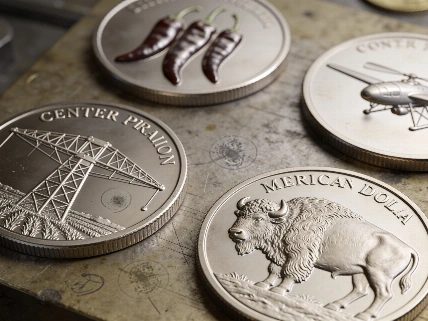

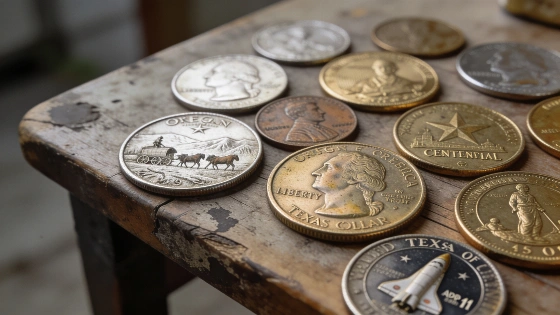
Classic commemorative coins such as the Oregon Trail, Texas Centennial, and Apollo 11 issues continue to attract collectors, with designs spanning American and ancient Roman history. Their appeal lies in artistry, accessibility, and historical resonance
Classic commemorative coins remain a focal point for collectors, blending artistry, history, and accessibility. According to the August 14, 2026, Numismatic News e-newsletter, enthusiasts continue to debate which commemorative issues stand out, with preferences shaped by personal history, design, and the stories behind each coin. The Oregon Trail, Texas Centennial, and Apollo 11 commemoratives are among those most frequently cited for their enduring appeal.
For many, the attraction of classic commemoratives lies in their ability to capture moments of national or cultural significance. The 1893 Isabella Quarter, 1900 Lafayette Dollar, and 1936 Bay Bridge Half Dollar are often highlighted by collectors who began their pursuits early, drawn by the coins' historical context and distinctive designs. Others point to the 1892 and 1893 Columbian Exposition half dollars, noting their status as the first American commemorative coins and their relative affordability, especially the 1892 issue with a mintage below one million.
Design, Rarity, and Historical Context
Collectors' choices often reflect a balance between artistic merit and historical resonance. The 1936 Gettysburg half dollar, for example, is admired for its design, even as its depiction of both Union and Confederate causes remains controversial. The 2019 Apollo 11 commemorative, with its concave and convex surfaces, is praised for marking a pivotal achievement in American history. Some collectors look further back, citing ancient Roman coins such as Titus' denarius and sestertius commemorating the opening of the Colosseum in AD 80, which remain accessible to collectors despite their age and rarity.
Gold commemoratives also attract attention, with the 1915 Pan-Pac $2.50 gold coin standing out for its connection to the Panama-Pacific International Exposition. The Texas Centennial Half Dollar series, issued from the mid-1930s, is valued for its detailed depiction of state history, while the Oregon Trail Half Dollar is frequently named as a favorite for its iconic imagery and multiple years of issue. Other notable mentions include the 1920 Pilgrim Tercentenary Half Dollar, the 1937 Roanoke Half Dollar, and the 1935 Old Spanish Trail Half Dollar.
Accessibility and Collector Trends
One of the enduring strengths of classic commemorative coins is their accessibility. Many issues, such as the Columbian Exposition half dollars, remain within reach for collectors at various budget levels. The diversity of designs-from the Bay Bridge to the Stone Mountain and Connecticut commemoratives-ensures that collectors can find coins that resonate with their interests, whether rooted in personal heritage, regional pride, or broader historical events.
While some commemoratives, like the Titus sestertius featuring the Colosseum, are rare with only a handful known to exist, others are more widely available, allowing new collectors to enter the field without prohibitive costs. The market for classic commemoratives is also influenced by broader trends in numismatics, as seen in recent auctions where rare coins from Latin America and Spain have drawn significant attention, as highlighted in a recent feature on historic coin auctions.
According to data from the U.S. Mint and major auction houses, commemorative coin mintages have varied widely. For example, the 1892 Columbian Exposition half dollar had a mintage of approximately 950,000, while the 1936 Texas Centennial Half Dollar saw annual mintages ranging from 10,000 to 16,000 per year. Modern commemoratives, such as the 2019 Apollo 11 coin, were produced in larger numbers, with over 400,000 silver dollars sold in the first year of issue. These figures reflect both changing collector demand and evolving approaches to commemorative coin programs.
The Role of Commemoratives in Numismatic History
Commemorative coins occupy a unique position in the history of money. Unlike circulating currency, they are typically issued to mark specific events, anniversaries, or achievements, often with limited mintages and distinctive designs. Their value to collectors is shaped not only by rarity and condition but also by the stories they tell-whether celebrating a world's fair, a state's centennial, or a milestone in space exploration. As numismatic interests evolve, commemorative coins continue to serve as tangible links to the past, offering insight into the cultural and historical priorities of their time.
Understanding the distinction between circulating and commemorative coins is essential for collectors and historians alike. Circulating coins are produced for everyday transactions and must meet practical requirements for durability, denomination, and acceptance. Commemorative coins, by contrast, are often sold at a premium and intended primarily for collectors or as souvenirs. Their legal-tender status varies by jurisdiction, and while some can be spent at face value, their collector value typically far exceeds their nominal worth. This distinction shapes both the market for commemoratives and their role in preserving monetary and cultural history.