
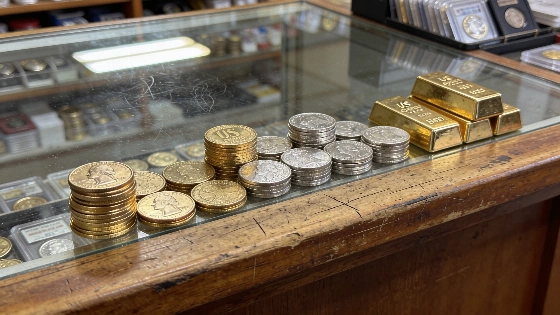
Coin and precious metals collectors face changing sales tax rules across US states, with recent legislative moves affecting exemptions and highlighting the value of numismatic expertise for buyers and sellers
For collectors of coins and precious metals, understanding the market is more than a hobby-it can be a financial safeguard. Recent developments in US state tax policy have reinforced the importance of numismatic knowledge, as legislative changes continue to shape the landscape for buyers and sellers.
Long-term collectors who invest time in learning about coins, grading, and market trends are consistently better positioned when it comes to selling their collections. According to industry experience, individuals who approach collecting as a study-rather than a speculative investment-are far more likely to realize gains when they eventually sell. This pattern is attributed to their ability to identify value, avoid overpaying, and recognize quality, while those who rely solely on dealer advice or treat coins as a quick investment often face losses.
State Sales Tax Exemptions in Flux
In 2026, several US states reviewed or revised their sales tax exemptions for coins and precious metals bullion. Legislative efforts to repeal existing exemptions in Colorado, Nebraska, and New York were ultimately unsuccessful, with all three states maintaining their current exemptions after legislative sessions ended. In Virginia, an exemption that was set to expire on June 30, 2026, was extended through June 30, 2028, after last-minute legislative agreement.
Alaska, which does not levy a state sales tax, enacted House Bill 1 on May 29, 2026, to exempt gold and silver coins and stamped bars from local sales taxes, effective August 28, 2026. This move addresses the patchwork of local taxes that previously applied to such purchases in various municipalities and boroughs.
Recent Changes and Ongoing Campaigns
Maryland, which had previously limited its exemption to transactions of $1,000 or more at the Baltimore Convention Center, restored a broader exemption for coin and precious metals bullion sales of $1,000 or more statewide, effective July 1, 2026. In contrast, Washington state revoked its exemption for precious metals bullion and monetized bullion in 2025 and expanded its Business & Occupations tax to cover the full selling price of such retail sales from January 1, 2026. Legislative attempts to reverse these changes in 2026 did not advance, but advocacy groups are preparing to renew efforts in 2027.
As of mid-2026, only Hawaii, Maine, New Mexico, Vermont, Washington, and the District of Columbia lack any form of sales and use tax exemption for retail sales of coins and precious metals bullion. The National Coin & Bullion Association provides detailed information on the status of exemptions by state.
Facts and Figures: Tax Exemption Status
By July 2026, 45 US states offered some form of sales and use tax exemption for coins and precious metals bullion, while five states and the District of Columbia did not. Alaska's new law, effective August 28, 2026, exempts gold and silver coins and bars from local sales taxes. Maryland's restored exemption applies to transactions of $1,000 or more statewide from July 1, 2026. In Washington, the Business & Occupations tax of 4.71% now applies to the entire selling price of bullion sales as of January 1, 2026.
Why Numismatic Knowledge Matters
Collectors who dedicate time to learning about numismatics-studying price guides, grading standards, and market trends-are better equipped to make informed decisions. This expertise helps them avoid common pitfalls, such as overpaying for low-quality items or relying on dealers with short-term interests. In contrast, buyers who treat coins purely as speculative investments, without developing their own understanding, are statistically more likely to incur losses when selling.
Numismatic education not only enhances the enjoyment of collecting but also provides practical benefits in navigating a market shaped by shifting tax rules and evolving consumer protections. As state policies continue to change, informed collectors remain best positioned to adapt and protect the value of their holdings.
Sales tax exemptions for coins and precious metals bullion are determined at the state level in the US, with some states also allowing local jurisdictions to impose additional taxes. These exemptions can significantly affect the total cost of acquiring or selling coins, especially for high-value transactions. Collectors and dealers must stay informed about current legislation, as changes can occur with little notice and may impact both the immediate cost and long-term value of collections. Advocacy organizations play a key role in tracking and influencing these policies, but individual knowledge remains a collector's most reliable asset.