
Citi is betting against the US dollar and in favor of the Canadian dollar, citing a likely shift in interest-rate expectations and upcoming US inflation data that could challenge the greenback's recent strength
A major international bank is challenging the prevailing narrative in North American currency markets. Citi has initiated a short position on the US dollar against the Canadian dollar, arguing that the current interest-rate gap between the two economies is stretched and poised for reversal.
This move comes as the market's confidence in further US Federal Reserve rate hikes is being tested by a series of upcoming economic releases. Citi's strategy, launched at a USDCAD rate of 1.3854 on September 2, targets a move down to 1.35, with risk managed by a stop-loss at 1.3990. The bank's analysts see the US dollar as the main driver of any shift, expecting that incoming data will undermine the case for another Fed hike in September.
US Inflation Data in Focus
The critical catalyst, according to Citi, is the US inflation report due on September 11. The bank's economists forecast annual inflation to slow to between 2.3% and 2.4%. If realized, this would reinforce the view that the Federal Reserve can afford to pause or even pivot to a more neutral stance. Recent minutes from the Fed's policy meetings have already shown that most officials expect inflation to ease further over the remainder of the year.
For context, the US dollar has benefited in recent months from expectations that the Fed would maintain a hawkish policy bias, keeping rates higher for longer. However, with inflation showing signs of cooling, the rationale for this premium is weakening. The USDCAD pair has reflected these dynamics, with the rate reaching the upper end of its 2026 range before Citi's call.
Bank of Canada's Hawkish Tone
While the US side of the equation is softening, the Canadian dollar is finding support from a more assertive Bank of Canada. Governor Tiff Macklem has emphasized that upside risks to inflation remain and that the central bank is prepared to deliver consecutive rate hikes if necessary. Macklem has also downplayed the potential drag from US tariffs on Canadian growth, signaling a willingness to prioritize inflation control over short-term economic concerns.
Market pricing now places the Fed-Bank of Canada rate differential at its widest point this year, making the Canadian dollar relatively attractive for those betting on a narrowing gap. Citi also points to Canada's upcoming Investment Summit on September 14-15 as a potential positive for the loonie, with possible announcements on investment flows or increased hedging activity by international investors.
Key Numbers and Market Positioning
As of September 2, Citi's recommended trade was to short USDCAD at 1.3854, aiming for a target of 1.35 and setting a stop-loss at 1.3990. The US inflation data due September 11 is expected to show annual inflation easing to 2.3%-2.4%. The current market-implied rate differential between the Federal Reserve and the Bank of Canada is at its highest level for 2026, according to Citi's analysis.
Oil Prices and Currency Sensitivity
One complication in the USDCAD relationship is the role of oil prices. Both the US and Canadian dollars can benefit from higher oil prices, as energy exports improve their terms of trade. Citi notes that shorting USDCAD allows investors to retain some exposure to oil-driven moves, while still positioning for a reduction in the Fed's hawkish premium. This approach limits the impact of oil's shared influence on both currencies, focusing instead on the evolving interest-rate narrative.
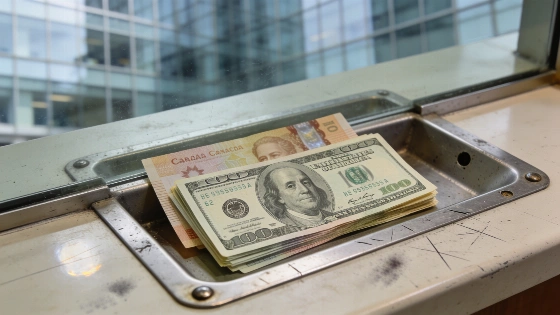
For international businesses and travelers, shifts in the USDCAD rate can affect the cost of cross-border payments, purchases, and remittances. A stronger Canadian dollar means US goods and services become relatively more expensive for Canadians, while US-based companies may see higher costs for Canadian imports. The outcome of Citi's call will depend on how inflation and central-bank policy signals play out in the coming weeks.
Interest-rate differentials are a central driver of currency values, especially between closely linked economies like the US and Canada. When one central bank is expected to raise rates faster or higher than another, its currency often appreciates as investors seek higher returns. However, these expectations can shift quickly in response to new data or policy signals. The USDCAD pair is particularly sensitive to changes in both monetary policy and commodity prices, making it a closely watched indicator for businesses, travelers, and policymakers on both sides of the border.