As technology transforms payments and materials, the classic idea of a coin is under pressure. From stone discs to digital tokens, what truly defines a coin in modern commerce
Is a coin still a coin if it isn't made of metal? That question is no longer just academic. As digital payments and new materials change how money works, the old image of a stamped metal disc is being tested from several directions. Both Merriam-Webster and the Cambridge Dictionary still define a coin as a "piece of metal" issued by a government, showing how slow official definitions can be to change, even as new forms appear.
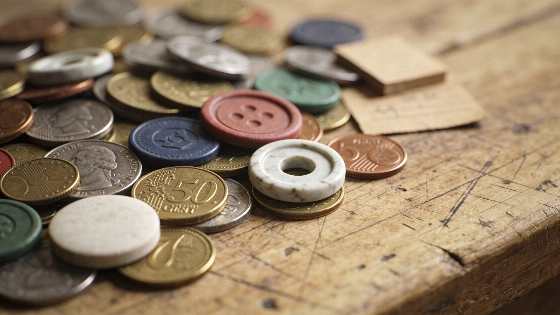
For centuries, dictionaries have described coins as metal objects, usually made by official authorities. But history and technology have often ignored that rule. The Rai stones of Yap, some weighing several tons, were used as currency without any metal at all. After World War One, Germany issued porcelain coins during hyperinflation, and cardboard coins circulated in Spain and Mexico during times of conflict. These cases show that the material has never been the only thing that makes something a coin.
Beyond metal and government control
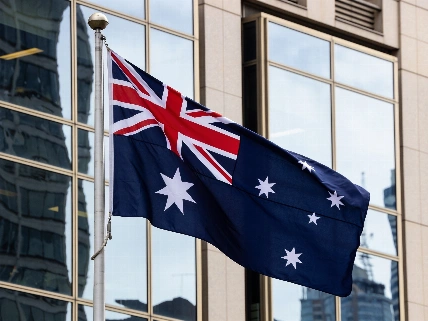
Even in the United States, privately issued metal coins once circulated as legal tender until laws changed. The arrival of paper money made things even less clear. Today, about 60 countries-including Canada, the United Kingdom, Australia, New Zealand, Singapore, and Hong Kong-use polymer banknotes for daily transactions or commemorative issues. The Bank of Canada, for example, plans to release a new polymer $20 note in 2027, showing how the material of money can change without changing its role. This trend is covered in the Keesing Platform, which tracks the spread of polymer notes to nearly 60 nations.
Tokens have been made from plastic, gutta-percha, ceramic, fiber, and cardboard. The variety of materials and forms makes it clear that a coin isn't defined just by what it's made of or who issues it. Central banks like the Bank of England and the Reserve Bank of Australia have led the move to polymer, pointing to durability and anti-counterfeiting as main reasons.
Digital coins and the limits of tangibility
The rise of cryptocurrencies and digital coins has pushed the debate further. Can a coin exist if it has no physical form at all? As commerce moves online, the idea of an electronic coin is now a reality. The Reserve Bank of India, for example, officially describes the digital rupee as a "digital form of currency issued by the central bank," setting a precedent for state-backed, non-physical money. The Central Bank of Russia launched the digital ruble nationwide in September 2026, with wallets managed directly by the central bank, making the line between physical and digital currency even less clear.
In the world of postage, people can already print valid stamps at home. If technology allows for secure, verifiable production, could coins follow? The answer depends on how societies and regulators update their definitions. The Bank for International Settlements (BIS) and the International Monetary Fund (IMF) have both noted the growing role of central bank digital currencies (CBDCs) in their policy reports, pointing out the effects on cross-border payments and monetary policy.
Material facts and changing definitions
Polymer banknotes now circulate in dozens of countries, with Canada, Australia, and the United Kingdom among the most visible users. These notes are valued for their durability and security, and their use has grown quickly since the late 20th century. The use of non-metal coins in Germany, Spain, and Mexico during crises shows that necessity can override tradition when it comes to what money is made from. The European Central Bank (ECB) continues to track changes in cash and digital payments in its monthly bulletins to understand the effects on eurozone liquidity and consumer habits.
As the lines between coins, tokens, and digital assets blur, the legal and practical definitions of money are being reconsidered. The quick sellout of the 2020-W V75 Gold Eagle, as reported earlier, shows that scarcity and official status still drive demand for physical coins, even as new forms appear. In Indonesia, a 2026 religious ruling clarified that Bitcoin, while recognized as a digital asset, is not legal tender and cannot replace the rupiah, highlighting the difference between digital assets and state-backed currency.
Editorial perspective
The evidence is clear: coins have never been defined only by their material or their issuer. From stone to polymer to code, what matters is trust, acceptance, and how money is used in daily life. As technology changes, definitions will have to adapt. The future of coins may depend less on what they are made of and more on how they are used and recognized.
One detail often missed is the gap between legal tender and practical acceptance. A coin or note may be declared legal tender by law, but its real use depends on whether people and businesses actually accept it. This difference becomes more important as new materials and digital forms of money appear. Understanding this helps explain why some types of money last while others disappear, no matter what they are made from or who issues them.