
Goldman Sachs now expects the Reserve Bank of Australia to raise its policy rate to 4.60 percent this month after senior officials warned of persistent inflation risks and higher oil prices, accelerating the timeline for potential borrowing cost increases
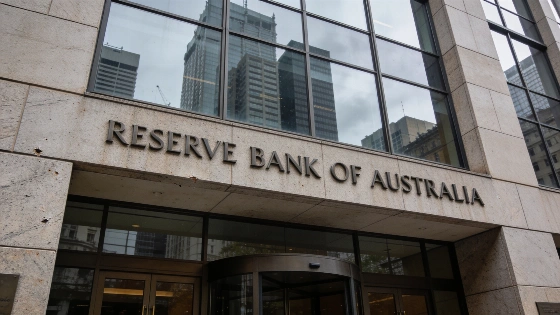
Australia's central bank is no longer waiting for November. Goldman Sachs has moved its forecast for the next Reserve Bank of Australia (RBA) rate hike to this month, citing a sharp escalation in official warnings about inflation and global price pressures. The shift signals that Australian borrowers and businesses could face higher costs sooner than previously anticipated, with the cash rate potentially reaching 4.60 percent at the September policy meeting.
Behind this accelerated timeline are public statements from Deputy Governor Andrew Hauser and Assistant Governor Sarah Hunter, who both highlighted the risk that inflation could remain stubbornly high. Hauser pointed to factors including Middle East supply disruptions, the global surge in artificial intelligence investment, and weak domestic productivity as forces that could keep price growth elevated. While he acknowledged recent declines in house prices and subdued consumer sentiment, the message was clear: the RBA is prepared to act pre-emptively if inflation risks intensify.
Market Reaction and Currency Impact
Despite the prospect of an earlier rate increase, the Australian dollar (AUD) has not surged against the US dollar (USD). At the time of writing, AUD/USD traded at 0.7213, down 0.12 percent on the day. This muted response suggests that investors may have already priced in some degree of tightening, or that global factors-such as the direction of US interest rates-are exerting a stronger influence on the currency pair. For Australian borrowers, an earlier move by the RBA could mean higher variable mortgage repayments if lenders pass on the increase. Meanwhile, bondholders face the risk of falling prices as yields rise in anticipation of further policy tightening.
Goldman Sachs now assigns a 60 percent probability to a September rate hike, up from 45 percent before the latest official remarks. The bank's previous forecast had targeted November, following a surprise inflation reading in July. However, with oil prices climbing and RBA officials sounding more hawkish, Goldman argues that waiting carries greater risks of falling behind the curve. The possibility of a follow-up hike later in the year remains, but the central scenario is for the policy rate to hold at 4.60 percent until a gradual easing cycle begins in the second half of 2027.
Policy Risks and Broader Consequences
Australia's monetary policy is not unfolding in isolation. The RBA's stance is being shaped by both domestic inflation dynamics and global developments, including energy markets and investment trends. As reported earlier, rising bond yields worldwide have challenged traditional assumptions about safe-haven assets and forced central banks to reassess their strategies. For the RBA, the risk of acting too late now outweighs the risk of tightening too soon, especially as inflation expectations remain sensitive to external shocks.
For households and businesses, the immediate consequence of a rate hike is higher borrowing costs. Variable-rate mortgage holders are particularly exposed, as lenders typically pass on policy changes quickly. Bond investors may see the value of existing holdings decline if yields rise further. The Australian dollar's trajectory will depend not only on RBA policy but also on how global investors interpret the balance of risks between Australia and major economies such as the United States.
How Central Banks Respond to Inflation Threats
Central banks like the Reserve Bank of Australia use policy rates as their main tool to influence inflation and economic activity. When inflation is expected to remain above target, raising the policy rate can help slow price growth by making borrowing more expensive and encouraging saving. However, the timing and scale of rate changes are always uncertain, as central banks must weigh the risk of acting too late against the risk of tightening too much and harming growth. In open economies, global factors such as commodity prices, supply disruptions, and international capital flows can complicate these decisions, making it difficult to predict the exact impact on exchange rates and domestic financial conditions.