The Royal Australian Mint has released a new uncirculated Holey dollar coin to celebrate 60 years of diplomatic relations between Australia and Mexico, reviving a historic currency link rooted in colonial-era Spanish silver.
The Royal Australian Mint has released a limited-edition Holey dollar coin to mark sixty years of diplomatic relations between Australia and Mexico. Priced at AU$35 (about US$25 at recent rates) and limited to 35,000 pieces, the coin draws on the origins of Australian currency and the shared monetary history of both countries. Public sales begin on 8 September 2026, with shipping set for 25 September 2026. The coin is available through official Mint distributors and the Mint's own store as listed by retailers (The Coin Company).
Colonial shortages and Mexican silver
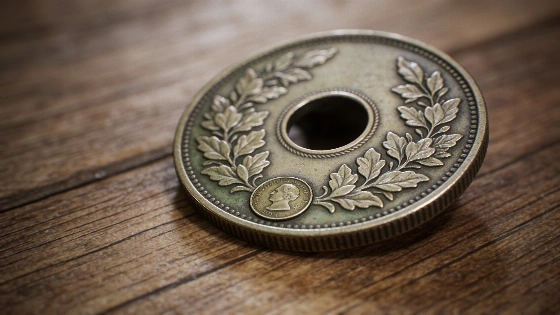
In the early 1800s, New South Wales faced a shortage of coins. Governor Lachlan Macquarie responded by importing Spanish silver dollars, many minted in colonial Mexico, and modifying them. By punching out the center, he created the Holey dollar and its companion, the Dump. These became the first coins unique to the colony and marked a step toward Australia's monetary independence. The 2026 coin references this history and the 60-year diplomatic relationship with Mexico, featuring both the original Holey dollar design and floral motifs: the dahlia for Mexico and the wattle for Australia (The Coin Company; Aussie Coins and Notes).
The new coin is a direct reproduction of the 1813 Holey dollar held in the Australian National Coin Collection. The reverse reads ORIGINS OF AUSTRALIAN COIN and is framed by dahlia and wattle flowers. A small Dump coin appears at the bottom, and the obverse shows King Charles III's effigy, surrounded by CHARLES III • ONE DOLLAR • AUSTRALIA 2026. The coin is made of cupro-nickel, weighs 12.58 grams, measures 30 mm across with a 6 mm central hole, and is legal tender (The Coin Company).
Design details and collector interest
With only 35,000 coins minted, the release is aimed at collectors and those interested in the currency history shared by Australia and Mexico. The design closely follows the original overstamped Spanish silver, highlighting the historical connection between the two countries. Mexico's Ambassador to Australia, Ernesto Céspedes-Oropeza, was invited to press some of the coins, adding a diplomatic element to the launch (PS News).
The original Holey dollar was made by removing the center from a Spanish silver dollar-often minted in Mexico City or other colonial Mexican mints-and stamping a new value on the outer ring. This increased the number of coins in circulation and made them less likely to be exported, keeping silver in the colony. The central plug, or Dump, was also issued as a separate coin. As reported earlier, the Holey dollar remains a key part of Australia's numismatic history.
Historical value and modern commemoration
The 1813 Holey dollar and Dump are among the rarest and most valuable Australian coins, with surviving examples fetching high prices at auction. The 2026 issue, while legal tender, is intended for collectors and as a diplomatic gesture. The use of dahlia and wattle motifs links the two countries' national symbols and reflects the purpose behind the release. The obverse features King Charles III by Daniel Thorne, marking the current era in Australia's currency (The Coin Company).
The release comes at a time of shifting exchange rates and changing monetary policy. The Reserve Bank of Australia has kept its cash rate at 4.35% in recent months, with inflation above its 2-3% target. The Bank of Mexico's benchmark rate remains at 11.25% to address inflation. These policies have helped keep the AUD/MXN exchange rate steady, with the Australian dollar trading between 11.5 and 12.0 Mexican pesos per AUD in the first half of 2026, according to Banxico data. Central bank decisions continue to shape the value and perception of national currencies.
The original Holey dollar was a practical response to a shortage of coins in a remote colony. By adapting Spanish silver dollars-many from Mexican mints-Macquarie's administration solved an immediate problem and set the stage for a distinct Australian currency. The 2026 commemorative is not just a reproduction; it shows how currency innovation can come from necessity and international exchange. At a time when digital payments are common, the Mint's decision to honor a centuries-old coin highlights the lasting role of physical money in telling stories of trade and connection.
The Holey dollar's design was simple and effective. By altering imported coins, colonial authorities increased the supply of usable money and discouraged export, since the modified coins were not accepted at face value elsewhere. This approach addressed immediate needs and set a precedent for creative monetary solutions in times of scarcity. The Holey dollar remains an example of how currency design can reflect both economic need and national identity. As the International Monetary Fund has noted in its annual Article IV consultations, the strength of national currencies often depends on both historical legacy and flexible policy.