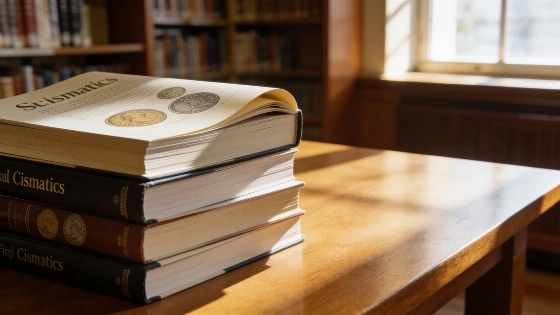
The Numismatic Bibliomania Society is now giving out grants up to $20,000 for authors of numismatic books. The group is also looking for volunteers to help review applications.
Writers in numismatics have a new way to get their work published. The Numismatic Bibliomania Society (NBS) has started a grant program to help pay for both general numismatic books and books about numismatic literature. The NBS board approved the plan in 2025. The program became official in the September 2026 issue of The E-Sylum. This move targets a real problem: funding for high-quality research books in a small but global field. Details are available in the NBS program details.
The new grants range from $2,000 to $5,000 for self-published numismatic books that bring new research to light. For books focused on numismatic literature-the study and cataloging of numismatic books themselves-the NBS can cover the full cost, up to $20,000. In those cases, the society acts as publisher. It handles production, distribution, and pays out any extra money to the author after costs are covered. This two-part system shows the NBS's focus on both general numismatic research and the more specialized world of numismatic bibliography. That split matters more now as the global numismatic market shifts with currency values and collector trends.
How the grant program works
Anyone applying for a grant for a general numismatic book needs to send in a finished manuscript and a printer's quote. A three-person NBS committee reviews each project. At least one committee member must be an NBS officer. The committee checks that the research and presentation meet the group's standards. If the project passes, the grant goes straight to the printer after the book is printed. NBS pays up to half the printing bill. Authors still handle their own research, writing, printer deposit, and getting the book out to readers. For books about numismatic literature, NBS takes over the whole publishing process. It manages production and distribution. If there's money left after costs, the author gets a share. This setup matters as printing and shipping costs keep rising. The Federal Reserve's preferred PCE index rose 2.7% year-over-year in the latest report. That puts more pressure on small publishers.
The NBS is also looking for volunteers to join the review committees. Volunteers should know the subject and be able to judge research, writing, and presentation. Anyone interested-authors or reviewers-can contact NBS President Leonard Augsburger at president@coinbooks.org. The NBS review process is open and clear. It follows best practices used by big financial regulators like the European Central Bank, which publishes its committee structures and meeting minutes for policy decisions. See the ECB policy decisions for comparison.
Funding details and eligibility
For general numismatic books, grants run from $2,000 to $5,000. The money goes to the printer after the book is done. Authors must show a finished manuscript and a full cost breakdown. For books about numismatic literature, NBS may pay all publishing costs, from $5,000 up to $20,000. In those cases, NBS runs production and distribution. Any money left after expenses is shared with the author. The program is open to projects that bring new research or make a real contribution to the field. This funding comes at a time when global currency swings-like the recent moves in the US dollar index after the Federal Reserve's latest rate decision-can push up the price of imported paper, printing, and shipping for numismatic books.
The NBS grant program is new, but the numismatic world has seen other steps to boost access and interest. The Munich Show recently added a numismatics section, as reported earlier. More collectors and the public are getting involved with coins, banknotes, and related research. Central banks like the Bank of England and the Bank of Japan have also stressed the need for public engagement and clear communication in their monetary policy work.
Why numismatic publishing needs support
Publishing in numismatics is tough. The audience is small. Authors rarely make back their costs from sales. Printing quality books-especially with detailed images or special binding-costs a lot. Grants and help from groups like NBS are often the only way to get important research into libraries and the hands of collectors and scholars. Rising bond yields in big economies have made borrowing more expensive for small publishers. That makes targeted grants even more important.
The NBS wants to break down barriers for authors. Its grants and review process help new work get published. The society also checks that each project is solid and relevant. That keeps standards high in numismatic literature. The International Monetary Fund (IMF) has pointed out that financial literacy and access to information help build stronger economies. The NBS program fits that goal.
There's a real difference between general numismatic books and books about numismatic literature. General books bring new research on coins, banknotes, or money history. Numismatic literature projects document and analyze the books and resources that support the field. Both matter. Both face different hurdles. The NBS's two-track program is built for this. It gives authors and the numismatic community the support they need.