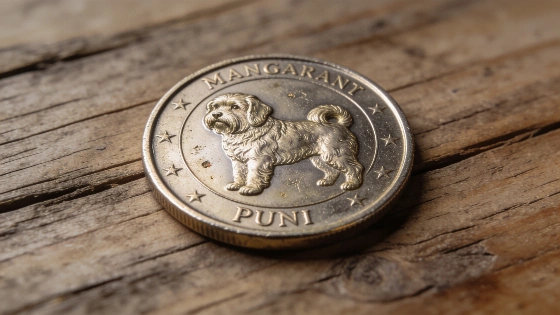
Hungary's latest commemorative coin features the Pumi, a herding dog with a distinctive curly coat. The 5000 forint issue is part of a series celebrating the country's working breeds and reflects the ongoing role of animals in Hungarian rural life.
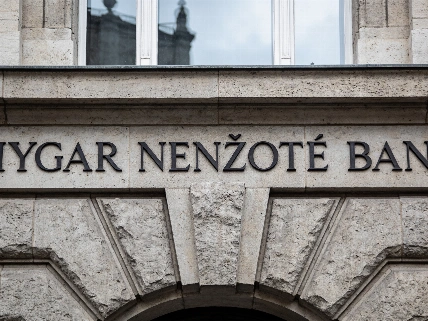
A new face has landed on Hungary's currency. The Hungarian Mint has put out a 5,000-forint coin for the Pumi, a herding dog famous for its curly coat and boundless energy. This coin joins the Hungarian Herding and Hunting Breeds series. The Pumi is still a common sight in Hungary's countryside. It's part of daily life and local tradition. But there's a catch. As of now, there's no official word from the Magyar Nemzeti Bank or the Hungarian Mint about the coin's release date, mintage, or technical details. No official announcement has turned up in major financial newswires like Reuters. That leaves collectors waiting.
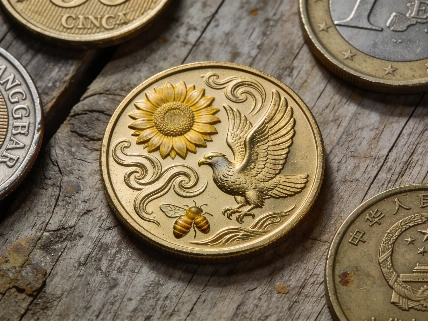
The coin's look is all about the Pumi's job. On one side, a Pumi stares straight ahead. The word MAGYARORSZÁG circles the top. The value is clear. Flip it over and you see the breed at work. One Pumi stands alert in front of sheep. Another runs, caught mid-stride. The design shows off the dog's quick moves and sharp mind. Some commercial listings mention the Pumi in numismatic circles, but these are not official sources. Recent catalog searches, including MA-Shops, have not turned up official confirmation or specs for the coin.
Pumi's journey from pasture to collectible
The Pumi's story as a breed started in Hungary in the early 1900s. It was bred to herd cattle and sheep across tough terrain. Its curly coat and lively nature set it apart from other herding dogs. The breed stayed local for decades. International recognition took time. The American Kennel Club only added the Pumi in 2016. That move helped the breed gain fans outside Europe.
Even as the Pumi becomes more popular as a pet, it's still a working dog in Hungary. Farmers and ranchers rely on its speed, brains, and stamina. Now, those traits are stamped in metal. Other countries have done the same. The United States, for example, has issued commemorative coins for working dogs. Hungary's forint (HUF) has seen big swings lately. The Magyar Nemzeti Bank has changed its policy rate to fight inflation and currency shifts. The European Central Bank and the IMF track these moves in their regular reviews.
Commemorative coins and national identity
The 5,000-forint Pumi coin is not for daily spending. It's a collector's piece and a nod to national heritage. Hungary often uses commemorative coins to mark cultural, historical, or natural themes. The Pumi choice ties rural life to modern currency. But here's the reality. There are still no official updates on the coin's distribution, sales, or regulatory status from the Magyar Nemzeti Bank. No mintage numbers or technical details have been published by the central bank or the Mint.
Collectors get a piece of Hungary's farming story. For everyone else, the coin is a reminder. Money can do more than pay bills. It can tell stories about people, animals, and the land. Central banks around the world, including the Bank for International Settlements, watch how these coins shape currency image and collector interest.
Facts and figures
The Pumi was first recognized as a breed in Hungary in the early 20th century. The American Kennel Club gave it official status in 2016. The new coin has a face value of 5,000 forints. Its design shows the Pumi and its work in the field. The Hungarian Mint keeps putting out coins that reflect the country's past and changing identity. Still, there's no official word on the Pumi coin's mintage, weight, or size. Similar 5,000-forint coins, like the 2026 "Nadvazsony Castle" issue, are not related to the Pumi release.
Coins like the Pumi are usually made in small numbers. They don't go into regular circulation. Collectors look at mintage, design, and cultural meaning when judging value. In Hungary, these coins are part of a bigger plan. Currency is used to tell stories and build national identity. Money is both a tool and a symbol. For the latest on Hungary's monetary policy and coin programs, check the Magyar Nemzeti Bank website.